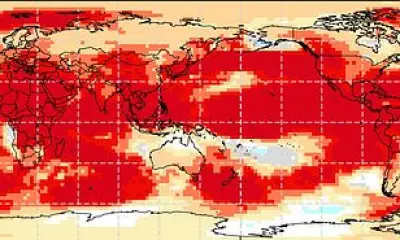
Greenland has recorded its warmest January ever, with an average temperature of +0.2 degrees Celsius, a stark contrast to the historical average of -7.7 degrees Celsius. This alarming rise highlights the severe impact of climate change on the Arctic region, which is warming at a rate four times faster than the global average, as noted by Jacob Hoyer, head of the National Centre for Climate Research.
Economic Consequences of Rapid Warming
The rapid climate change is already disrupting Greenland's key economic sectors. Fishing, the largest export and accounting for 23 per cent of the gross domestic product, faces significant challenges due to warmer temperatures reducing sea ice. This not only affects fish stocks but also complicates transport logistics for the industry.
Tourism and Traditional Activities Under Threat
Warmer conditions are making traditional winter tourism activities, such as snowmobiling and skiing, increasingly difficult. The reduction in sea ice impacts travel routes and safety, potentially deterring visitors and harming local businesses that rely on seasonal tourism.

Potential Shifts in Mineral Resource Extraction
Interestingly, the changing climate could make the extraction and shipping of Greenland's strategic mineral resources more profitable. As ice melts, new shipping lanes may open, reducing costs and increasing accessibility for mining operations, though this raises environmental and sovereignty concerns.
Greenland's Prime Minister has emphasised that only Greenland and Denmark can decide its future, amidst these complex threats. The island nation must navigate these climate-induced changes while maintaining control over its resources and economic destiny.