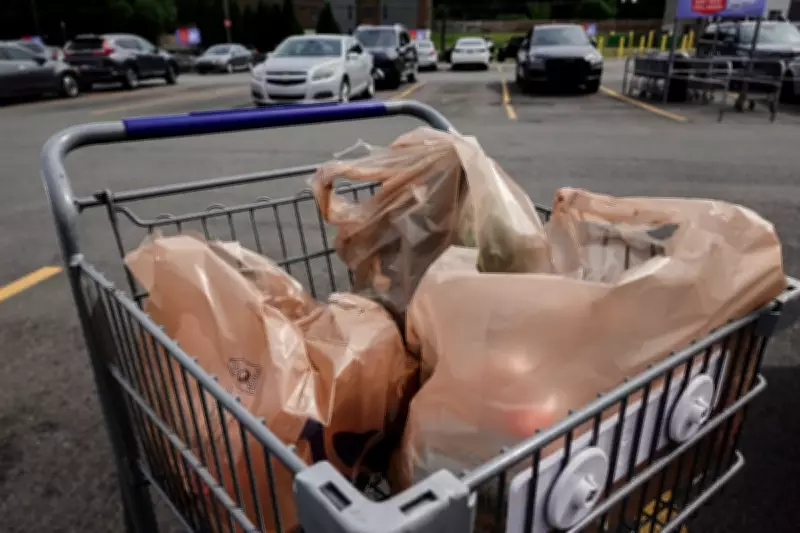
Many people are aware that recycling plastic grocery bags can jam machinery, but fewer know there are effective alternatives for disposing of these ubiquitous items. Soft, stretchy plastics—found in grocery bags, bubble wrap, and more—are difficult to avoid and even harder to dispose of correctly. If thrown in the trash, they can take hundreds of years to degrade in landfills, releasing harmful microplastics. In 2018, over 3 million tons of plastic bags, sacks, and wraps ended up in U.S. landfills, according to the Environmental Protection Agency.
Why Not Curbside Recycling?
When placed in curbside recycling bins, plastic bags create significant problems. "Once they get shredded or even before, a lot of times they just clog recycling equipment," explains Erha Andini, a chemical engineering expert and science communicator based in Delaware. This clogging can halt operations and damage machinery.
Identifying Plastic Films
Plastic films include bread bags, cereal bags, and overwrap for bulk items like toilet paper. Look for the classic three-arrow logo with a number inside—this indicates the plastic type, not recyclability. Films labeled with the numbers two or four (high or low-density polyethylene) can often be dropped off at designated grocery or convenience stores. Items without these numbers may be multi-layered and more complex, such as meat wrap, which can contain up to five layers. Avoid "wishcycling"—putting such films in general recycling hoping they’ll end up correctly—as it hinders processing of other plastics.

Drop-Off Programs
Instead of household recycling, take plastic films to specific drop-off bins at grocery or convenience stores. These bags are then sent to recyclers who transform them into new products like furniture. Trex, a company making outdoor decking from recycled plastic films, offers a locator on its website to find drop-off points by zip code, says Stephanie Hicks, the company's materials and recycling manager. Accepted items generally include grocery bags and soft plastics labeled two or four. Check local store regulations for specifics. Ensure items are free of food residue and not degraded; remove receipts from bags. Some grocers have ended in-store programs due to concerns about films ending up in landfills. Alternatives include organizations like NOVA Creative Reuse Center in Virginia, which repurposes bubble wrap for art, or Precious Plastic NYC, which melts plastics into clipboards and hangers. Online tutorials also offer ideas, such as making plastic yarn from old bags to crochet new totes.
Reducing and Reusing
If drop-off is inconvenient, reduce reliance on plastic films. Opt for reusable grocery bags and avoid plastic packaging where possible. Plastic wrap is important for food safety—keeping cucumbers fresh, for example—but small swaps help, like buying individual apples instead of wrapped bunches. Shop locally and secondhand to avoid shipping packaging. Reuse bags you already have: use them for multiple grocery trips, as bathroom trash can liners, for dog waste, or to hold wet clothes at the beach. Some items will still end up in the trash, and that's acceptable. As Meg Sobkowicz, plastics engineering expert at University of Massachusetts Lowell, advises, "Don't let the perfect be the enemy of the good." Small changes are better than nothing, and your local recycling plant will appreciate it.