Activists Sound Alarm Over Poland's Stalling Air Pollution Progress
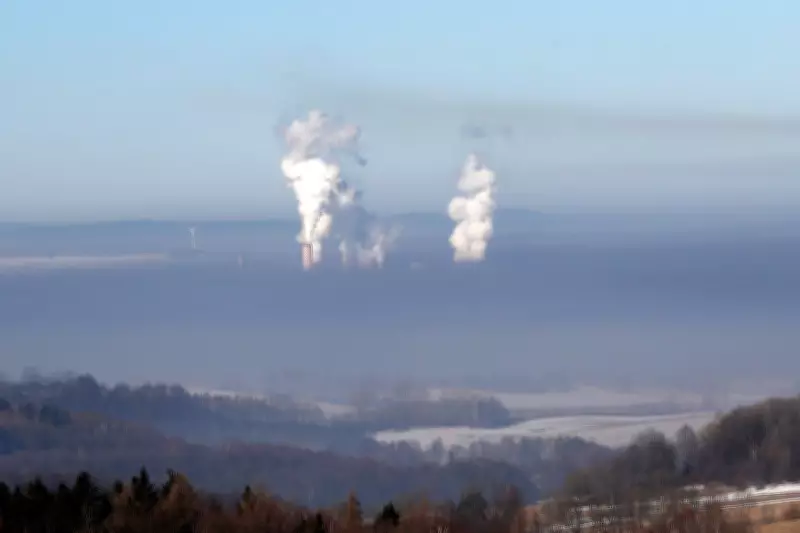
Poland, one of Europe's most polluted nations, faces a critical setback as its flagship "Clean Air" program loses momentum, endangering public health and energy security amidst global instability, including the Iran war.
The Clean Air Initiative: A Brief Overview
Launched in 2018 to combat routine breaches of EU air quality standards, the "Clean Air" program provides grants to households and businesses for replacing coal-fired boilers, enhancing thermal insulation, and cutting domestic energy consumption. Coal-based home heating remains the largest pollution source in Poland, with the aim of transitioning to gas, wood pellets, or electricity systems.
Progress and Plateau
According to Krzysztof Bolesta, Secretary of State at the Polish Ministry of Climate and Environment, about one million households in the country of nearly 38 million people have utilised the program since 2018. However, 2.5 million coal-based heaters still require modernisation. Andrzej Guła from NGO Polish Smog Alert highlighted Krakow's improvement from 150 days of heavy smog annually to 30, noting, "It's still 30 days too much, but there is progress."

In 2024, at the program's peak, over 250,000 financing requests were filed, but applications have since declined sharply. By the end of that year, the government initiated reforms to prevent fund misuse and temporarily paused application approvals, leading to a loss of citizen trust, activists argue.
Data Reveals a Sharp Decline
During a Warsaw press conference on March 31, environmentalists from Polish Smog Alert presented data showing applications in 2025 were five times lower than at the program's peak, with the slump continuing into 2026. They expressed concern that progress on air pollution and reducing domestic energy consumption has plateaued.
Government and Activist Perspectives
Bolesta defended the reform, stating it ensures only worthy projects receive financing and avoids wasting public funds. He explained, "Poland has a unique situation in the European Union, as only Poland has such a high share of coal in individual heating," emphasising the government's commitment to air quality while acknowledging, "this will be very difficult and we will continue to lag behind other countries in the EU."
Conversely, Piotr Siergiej, another environmentalist from Polish Smog Alert, warned that the energy crisis from the Iran war should serve as a wake-up call. He argued that lowering energy consumption builds security by reducing dependency on imported gas, coal, and pellets. "This program can become an epochal chance to energetically transform our buildings and homes, to make us more independent from those energy crises which we are facing now and whose future we can't predict," he said.
Broader Implications
The slowdown threatens not only smog reduction but also increases Poland's reliance on volatile energy imports during heightened geopolitical risks. Environmentalists stress that revitalising the program is essential for both public health and national energy independence.