Scotland Pioneers Water Cremation as UK's First Eco-Friendly End-of-Life Option
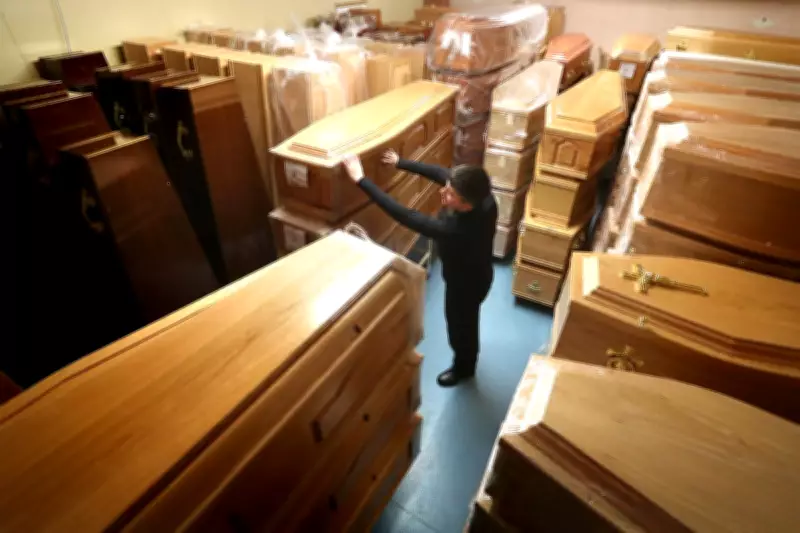
Scotland has made history by becoming the first part of the United Kingdom to introduce water cremation, also known as hydrolysis, as a new and environmentally friendly option for end-of-life arrangements. This innovative process offers a significant alternative to traditional burial or cremation, responding to growing public demand for more sustainable choices.
The Process of Water Cremation Explained
The water cremation method involves placing the deceased, wrapped in a biodegradable shroud, into a specialised chamber. This chamber is then filled with hot water and specific chemicals that work to accelerate the natural decomposition process. Over a period of several hours, the body is gently broken down, leaving behind only bones, which are then processed into ashes similar to those from traditional cremation.
This technique is designed to be a greener alternative, as it typically uses less energy and produces fewer carbon emissions compared to conventional flame-based cremation. The Scottish Parliament has officially approved regulations for hydrolysis, making it a legally recognised option starting from 2 March 2026, with the first procedures expected to take place this summer.

Strong Public Support and Government Backing
Public Health Minister Jenni Minto emphasised that hydrolysis provides a new, environmentally conscious choice for families, highlighting the significant public support behind this move. "Water cremation offers a fresh and sustainable alternative," Minto stated, "and it directly responds to the clear desire from the public for greater diversity in end-of-life options."
A comprehensive consultation conducted by the Scottish Government in 2023 revealed overwhelming backing for the introduction of hydrolysis. Specifically, 84 per cent of respondents expressed support for making this method available, underscoring a strong societal shift towards eco-friendly practices in funeral arrangements.
International Context and Future Implications
Water cremation is not entirely new on the global stage; it is already available in several countries, including Canada, Ireland, and the United States. Scotland's adoption marks a pivotal step for the UK, potentially paving the way for other regions to follow suit. As awareness of environmental issues continues to grow, this option is likely to gain traction among those seeking to reduce their ecological footprint even in death.
The introduction of hydrolysis in Scotland represents a forward-thinking approach to end-of-life care, blending innovation with sustainability. It provides families with an additional choice that aligns with modern environmental values, ensuring that personal preferences and planetary health can be harmoniously addressed.