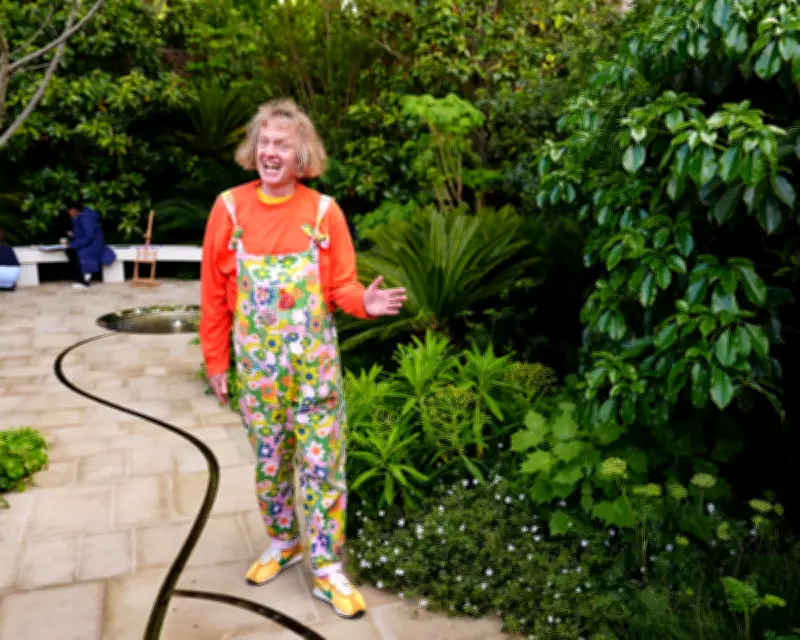
The award-winning Tate Britain garden at this year's Chelsea flower show, featuring a Barbara Hepworth sculpture, has earned an RHS gold award. Designed by landscape architect Tom Stuart-Smith, it serves as a microcosm of a major redesign for the gallery's Millbank garden, set to open next spring. This transformation aims to turn an overlooked patch of lawn into a horticultural haven, boosting visitor numbers for the gallery, which has struggled since the pandemic.
Inspired by Art, Embracing Biodiversity
The garden's design draws inspiration from Victor Pasmore's painting The Green Earth (1979-80). Its planting includes magnolias, sago palms, a chinaberry tree, pineapple guava, pomegranate, and fig tree, reflecting London's increasingly Mediterranean climate and a commitment to biodiversity. This arboreal abundance mirrors similar efforts at the Natural History Museum, whose South Kensington gardens reopened in 2024 after a £25m revamp, attracting over 5 million visitors in its first year.
Art in Outdoor Spaces
This summer, art is also occupying outdoor spaces across London. Colombian artist Delcy Morelos has filled the Barbican's Sculpture Court with 30 tonnes of soil for her installation Origo. Meanwhile, the world's largest outdoor exhibition of Henry Moore's sculptures opened at Kew Gardens. Venues like Compton Verney, Yorkshire Sculpture Park, and Hepworth Wakefield successfully integrate art, architecture, and nature.

As sculptor Barbara Hepworth noted, "I prefer my work to be shown outside. I think sculpture grows in the open light and with the movement of the sun its aspect is always changing." Sculpture has been part of garden design since antiquity, and artists like Monet have long been inspired by their own plots. Monet famously said of Giverny, "My garden is my most beautiful masterpiece."
Relevance to Our Times
These projects address contemporary issues such as the climate emergency, biodiversity loss, and the need for human connection with nature. While expensive makeovers rely on charitable donations, access to both the Clore Garden at Tate Britain and the Natural History Museum gardens is free, essential in a city where private gardens are unaffordable for many.
Amid the crumbling infrastructure of UK cultural institutions, it is crucial to remember that galleries and museums are more than bricks and mortar. They can be intimidating spaces, but gardens can transform soulless urban areas into welcoming attractions, encouraging more visitors. Gardens, like galleries, offer beauty and tranquillity in a troubled world. This grafting of art and horticulture should be encouraged to flourish.