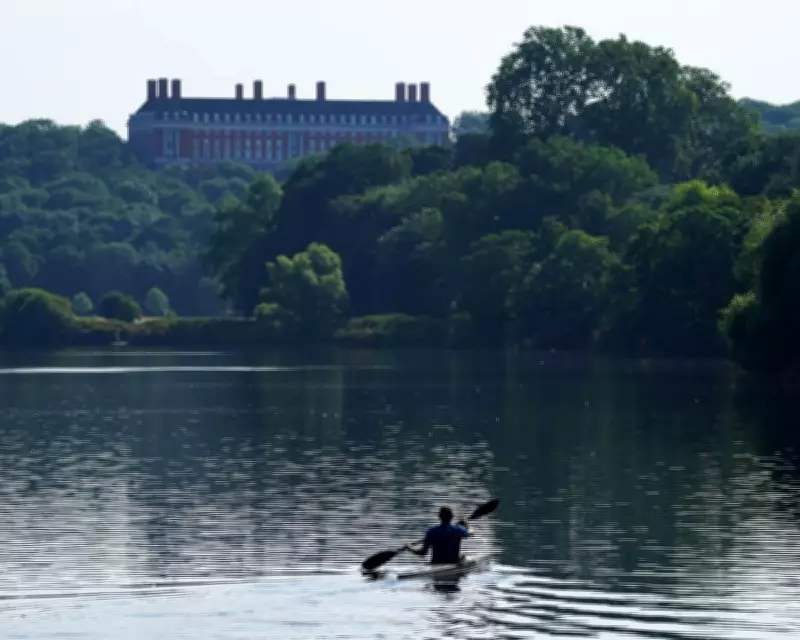
The River Thames at Ham in south-west London has been proposed as one of 13 new designated bathing water areas across the United Kingdom, marking a potential milestone as the first such site on the Thames within the capital. This proposal follows extensive campaigning by local groups who have demonstrated that thousands of individuals regularly swim in the river throughout the year, highlighting its recreational significance.
Campaigners Drive Proposal for Cleaner River Access
Marlene Lawrence, founder of the Teddington Bluetits—a group boasting over 2,000 members—submitted the bathing water application alongside colleagues. She emphasized that achieving this status would serve as a powerful incentive to maintain the cleanliness of the River Thames. "This would be amazing for the river and for the many people who enjoy it," Lawrence stated. "We want bathing water status to be a driver of keeping the River Thames clean, and it will be fantastic to have this part of the river designated."
Thames Water's Recycling Scheme Creates Potential Conflict
The designation could pose significant challenges for Thames Water, which is advancing a water recycling initiative near the proposed bathing area. This scheme aims to extract tens of millions of litres of water daily from the Thames and replace it with treated effluent from the Mogden sewage works in west London to address water shortages. Initially proposed in 2019, the Environment Agency previously rejected the plan due to concerns about the environmental impact of releasing large volumes of treated effluent into the river.

National Shortlist Includes Diverse Waterway Locations
In addition to the Thames at Ham, other sites shortlisted for bathing water status encompass a variety of natural settings. These include a tidal inlet off the River Yealm in south Devon, sections of the River Fowey in Lostwithiel, Cornwall, the River Dee at Sandy Lane in Chester, and Pangbourne Meadow in Berkshire—a location that inspired the classic novel The Wind in the Willows. Also featured are sea swimming areas such as Little Shore in Amble, Northumberland, and the River Swale in Richmond, Yorkshire.
Historical Context and Regulatory Implications
Campaigners have been advocating for river bathing water status for six years under the EU-derived bathing water directive, responding to widespread pollution issues. Rivers across the UK are increasingly affected by a toxic mix of sewage discharges from water companies, persistent chemicals, and runoff from roads and agriculture. Bathing water designation mandates more rigorous testing by the Environment Agency, which must monitor for faecal indicator organisms, thereby pressuring water companies to reduce sewage pollution in designated areas.
For instance, at Ilkley in West Yorkshire, where the Wharfe became the first river to receive bathing water status, Yorkshire Water is investing over £85 million in infrastructure upgrades to enhance water quality. Similarly, the Save our Swale campaign group in Yorkshire reported that the River Swale at Richmond Falls has been used by bathers for decades but suffers from pollution due to sewage spills from storm overflows.
Community Engagement and Government Support
A six-week public consultation is now underway, inviting local communities to provide feedback on the 13 proposed sites. Emma Hardy, the water and flooding minister, commented, "Rivers and beaches are at the heart of so many communities—where people come together, families make memories, and swimmers of all ages feel the benefits of being outdoors safely. Our plans to designate new bathing water sites show how we are backing local ambition and recognising the pride in places that matter most to people." If approved, these new designations would increase the total number of designated bathing water areas in the UK to 464.

Criticism and Comparative Analysis
Despite the positive steps, Amy Fairman, head of campaigns at River Action, pointed out that water quality in all but two of England's 14 designated inland bathing sites is currently rated as poor. "This is a national embarrassment, especially when France has over 1,200 inland bathing sites with most rated excellent," she noted. Fairman argued that until water companies are restructured to prioritize people and nature over profit, agricultural pollution is adequately addressed, and chemical contaminants are controlled, UK rivers will remain among the dirtiest in Europe.
The full list of sites under consultation includes: Little Shore, Amble, Northumberland; Newton and Noss Creeks, Devon; Canvey Island Foreshore, Essex; Sandgate Granville Parade Beach, Kent; Queen Elizabeth Gardens, Salisbury, Wiltshire; East Beach at West Bay, Bridport, Dorset; Pangbourne Meadow, Berkshire; River Fowey in Lostwithiel, Cornwall; River Swale in Richmond, Yorkshire; Falcon Meadow, Bungay, Suffolk; River Thames at Ham and Kingston, Greater London; New Brighton Beach (east), Merseyside; and River Dee at Sandy Lane, Chester, Cheshire.