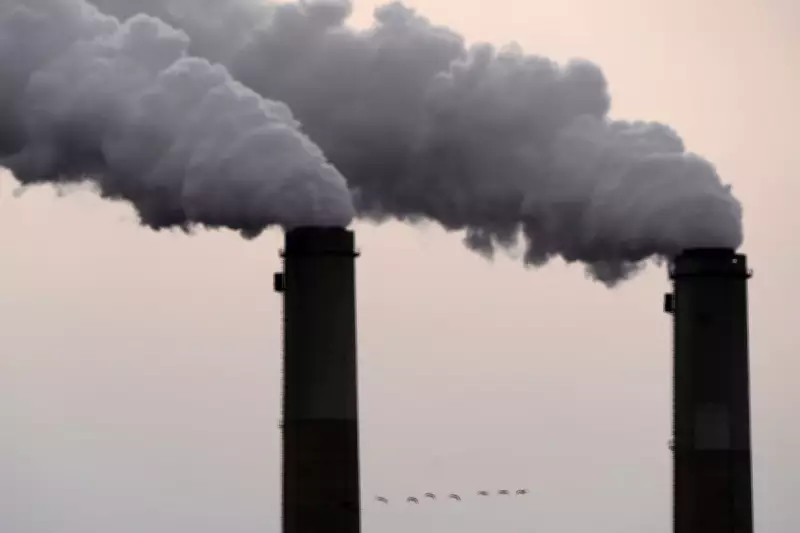
Trump Administration Eases Mercury Emission Limits for Coal Plants
The Environmental Protection Agency (EPA) announced on Friday a significant rollback of limits on mercury and other toxic emissions from coal-fired power plants. This decision marks the latest effort by the Trump administration to bolster the fossil fuel industry by scaling back clean air and water regulations.
Health and Environmental Impacts
Toxic emissions from coal- and oil-fired plants pose serious risks, including impaired brain development in young children and increased heart attack risks in adults. These facilities are also major contributors to greenhouse gas emissions, which drive climate change. The EPA unveiled the new rule at a large coal plant situated along the Ohio River in Louisville, Kentucky.
EPA Deputy Administrator David Fotouhi stated, "The Trump EPA’s action follows the rule of law and will reduce the cost of generating baseload power, lowering costs and improving reliability for consumers." The agency estimates that this change could save hundreds of millions of dollars annually.

Regulatory Rollback and Industry Response
The final rule reverts the industry to standards initially established in 2012 under the Obama administration, which had successfully reduced mercury emissions by nearly 90%. The Biden administration had previously sought to tighten these standards further after the first Trump administration attempted to undermine them. Coal-fired power plants remain the largest human source of mercury pollutants, with emissions entering the atmosphere and subsequently contaminating the food chain through rainfall and gravity.
Environmental groups argue that stricter regulations have saved lives and improved health in communities near coal plants. Conversely, industry representatives contend that stringent standards, combined with other emission limits, have made plant operations prohibitively expensive. Jim Matheson, CEO of the National Rural Electric Cooperative Association, remarked, "The reliability of the electric grid is in a better place because of the administration’s swift repeal of this rule. As crafted, the rule would have dealt a crippling blow to power plants essential to maintaining grid reliability."
Broader Deregulatory Efforts
The coal industry's prospects have shifted dramatically over the past year. In March, the EPA promoted what it called the "biggest deregulatory action in U.S. history," aiming to repeal dozens of environmental protections. EPA Administrator Lee Zeldin declared that these actions signified "the death of the ‘green new scam.’" Fossil fuel regulations have been primary targets, including initiatives to reduce carbon emissions from coal plants and mandate greenhouse gas reporting.
Additionally, the Trump administration has extended deadlines for numerous coal-fired power plants to comply with Clean Air Act rules and issued emergency orders to halt planned shutdowns of several facilities. Officials justify these measures by citing the need for consistent power during storms or high-demand periods, arguing that removing coal would compromise grid reliability, especially with increasing demands from new data centers.
Public Health and Climate Concerns
Earlier this month, the EPA revoked a finding that climate change constitutes a public health threat, a longstanding basis for regulating greenhouse gas emissions in the U.S. Recently, President Donald Trump was honoured by a group of coal miners as the "champion of coal."
Activists criticise the focus on coal, noting that renewables are cleaner, cheaper, and increasingly reliable. Gina McCarthy, former EPA head under President Barack Obama and chair of the climate action group America Is All In, warned, "By weakening pollution limits and monitoring for brain-damaging mercury and other pollutants, they are actively spiking any attempt to make America—and our children—healthy."
Officials have dismissed concerns about higher customer costs, increased emissions, and contributions to climate change from continued coal plant operations, emphasising grid stability instead.