Trump Administration Proposes Major Climate Regulation Rollback
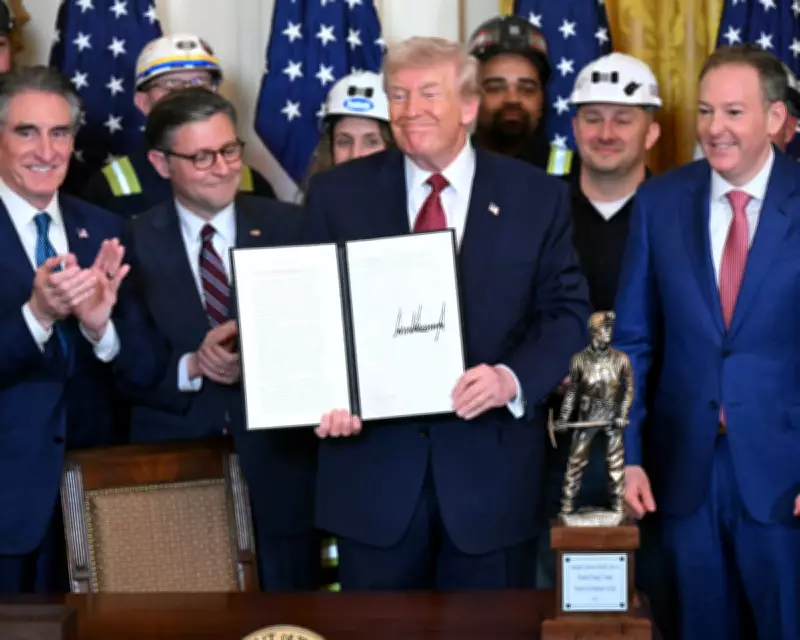
The Environmental Protection Agency (EPA) under the Trump administration has announced a significant proposal to roll back a series of key climate regulations, marking one of the most substantial environmental policy shifts in recent years. This move is set to reshape the landscape of U.S. environmental governance, with far-reaching implications for industries, public health, and global climate efforts.
Details of the Proposed Rollback
The proposal targets multiple regulations established during previous administrations, including rules on greenhouse gas emissions, air quality standards, and pollution controls for power plants and vehicles. According to EPA officials, the changes aim to reduce regulatory burdens on businesses and promote economic growth by cutting compliance costs estimated in the billions of dollars annually.
Key aspects of the rollback include:

- Relaxing emissions limits for coal-fired power plants, which could lead to increased carbon dioxide and other pollutant releases.
- Easing fuel efficiency standards for automobiles, potentially slowing the transition to electric vehicles.
- Revising methane leak detection requirements for oil and gas operations, a move critics argue will exacerbate climate change.
Reactions and Controversy
Environmental groups have condemned the proposal, warning that it could undermine decades of progress in reducing air pollution and combating climate change. Advocates highlight potential health risks, such as increased respiratory illnesses from poorer air quality, and economic costs from climate-related damages like extreme weather events.
In contrast, industry representatives and some political allies have praised the rollback, arguing that it will boost competitiveness, create jobs, and lower energy prices for consumers. They contend that the previous regulations were overly restrictive and hindered innovation and investment in key sectors.
Global and Legal Implications
This proposal comes amid ongoing international climate negotiations, where the U.S. has faced criticism for its stance on environmental issues. The rollback could further strain diplomatic relations and impact global efforts to meet targets set under agreements like the Paris Accord.
Legal challenges are expected, with states and environmental organizations likely to file lawsuits arguing that the changes violate federal laws such as the Clean Air Act. The outcome of these disputes could delay implementation and shape the final policy landscape.
Looking Ahead
The EPA will open a public comment period on the proposal, allowing stakeholders to submit feedback before a final decision is made. This process is anticipated to be contentious, with heated debates over the balance between environmental protection and economic interests.
As the proposal moves forward, its effects on U.S. climate policy, public health, and the economy will be closely monitored, setting the stage for a pivotal chapter in environmental regulation under the Trump administration.