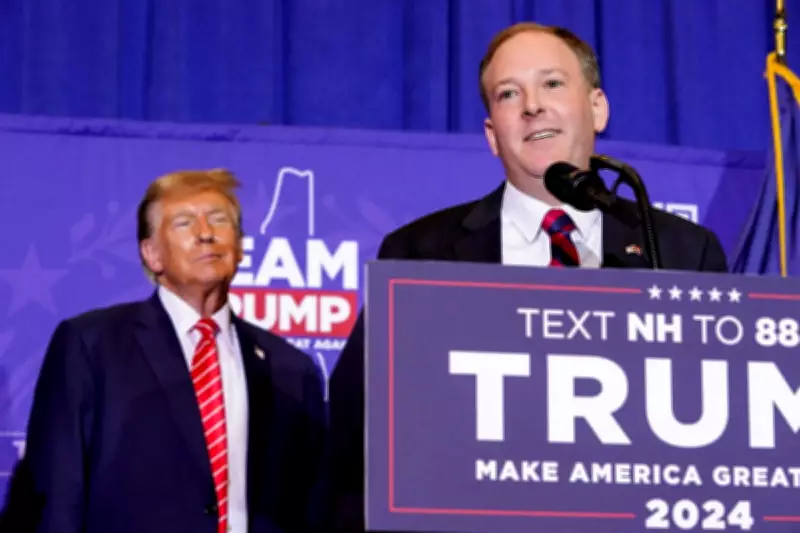
In a dramatic environmental policy reversal, the Trump administration is poised to formally repeal the landmark 2009 endangerment finding that established the legal basis for regulating planet-heating greenhouse gases. White House Press Secretary Karoline Leavitt announced that President Donald Trump will be joined by Environmental Protection Agency Administrator Lee Zeldin to enact what she described as "the largest deregulatory action in American history."
Legal Foundation for Climate Action Under Threat
The 2009 endangerment finding, established during the Obama administration, determined that carbon dioxide and other greenhouse gases pose a significant threat to public health and welfare. This scientific determination provided the legal foundation for the EPA to regulate these emissions under the Clean Air Act, enabling climate regulations affecting vehicles, power plants, and industrial operations across the United States.
Environmental Groups Vow Legal Battle
Environmental organizations have immediately pledged to challenge the repeal in court. Meredith Hankins, federal climate legal director at the Natural Resources Defense Council, called the move "the biggest attack ever on federal authority to tackle the climate crisis" and warned it would deliver "a devastating blow to millions of Americans facing growing risks of unnatural disasters."

Multiple environmental groups including the Environmental Defense Fund and Earthjustice have announced plans to sue the EPA over the rule change. Fred Krupp, president of the Environmental Defense Fund, and Abigail Dillen, president of Earthjustice, both confirmed their organizations would pursue legal action against what they characterize as an unlawful reversal of established science and policy.
Administration Claims Economic Benefits
The Trump administration asserts that repealing the endangerment finding will generate substantial economic benefits. Leavitt claimed the rollback would save Americans $1.3 trillion, though she did not provide details about how officials calculated this figure. An EPA spokesperson characterized the original finding as "one of the most damaging decisions in modern history" and argued that "hardworking families and small businesses have paid the price" for climate regulations.
Scientific Consensus Versus Political Action
Scientific experts have expressed alarm at the proposed repeal. Gretchen Goldman, president of the Union of Concerned Scientists, emphasized that "the science establishing harm to human health and the environment from global warming emissions was evident in 2009 and it's even more undeniable today." Goldman, who previously served in both the Department of Transportation and the White House, stressed that the EPA has a legal obligation under the Clean Air Act to regulate this pollution.
An analysis by the Associated Press in July found that the climate regulations targeted by the EPA could prevent tens of thousands of deaths annually and save the United States approximately $275 billion each year they remain in effect. Environmental advocates warn that while corporations might save money in the short term, the long-term costs in climate damages and healthcare expenses could reach trillions of dollars.
Scope of the Regulatory Rollback
While the endangerment finding forms the legal basis for virtually all federal climate regulations, Zeldin indicated to the Wall Street Journal that the repeal would initially apply specifically to emissions standards for cars and trucks rather than stationary sources like power plants. The EPA spokesperson confirmed that without the endangerment finding, the agency would lack statutory authority to prescribe standards for certain motor vehicle emissions.
The EPA has separately proposed finding that emissions from power plants "do not contribute significantly to dangerous air pollution" and therefore should not be regulated, suggesting a broader strategy to dismantle climate regulations across multiple sectors.

Political Context and Timeline
President Trump signed an executive order on his first day back in office directing the EPA to assess whether the endangerment finding should be preserved. After Zeldin announced the plan to repeal the finding in July 2025, the agency received approximately half a million public comments on the proposal before submitting the repeal for White House review last month.
Alex Witt, senior advisor at the environmental advocacy group Climate Power, criticized the administration's priorities, stating: "Trump and Zeldin are telling our families: we'll let you get sicker and watch your healthcare costs skyrocket as long as oil and gas CEOs can profit."
The impending repeal represents the most significant environmental policy reversal of the Trump administration and sets the stage for protracted legal battles that could ultimately determine the federal government's authority to address climate change for years to come.