Trump's 'God Squad' Panel Considers Endangered Species Exemption for Gulf Drilling
A U.S. government panel, infamously nicknamed the "God Squad" by environmental groups, is poised to convene for the first time in over three decades to deliberate on a contentious proposal. The Endangered Species Committee, chaired by Interior Secretary Doug Burgum and comprising several Trump administration officials, will consider exempting oil and gas drilling operations in the Gulf of Mexico from the stringent protections of the Endangered Species Act. This move, justified by unspecified national security concerns, has sparked fierce criticism from conservationists who warn it could push a rare whale species to extinction and inflict severe harm on other marine life.
National Security Rationale and Environmental Backlash
Defense Secretary Pete Hegseth formally notified Burgum on March 13 that an exemption for Gulf drilling was "necessary for reasons of national security," according to court filings from the administration. However, government officials have not publicly disclosed the specific rationale behind this request, which emerges amid global oil shocks and soaring energy prices exacerbated by the ongoing Iran war. Legal experts emphasize that the administration must clearly articulate a direct military need that would endanger a species to legitimately invoke the national security exemption clause.
Republican President Donald Trump has consistently prioritized increased fossil fuel production as a cornerstone of his second term agenda. His administration aims to open new drilling areas off the Florida coast in the Gulf and has proposed sweeping rollbacks of environmental regulations that industry stakeholders have long opposed. This latest initiative aligns with that broader policy direction, despite mounting environmental concerns.

Gulf of Mexico: An Oil Hub with a Troubled Environmental History
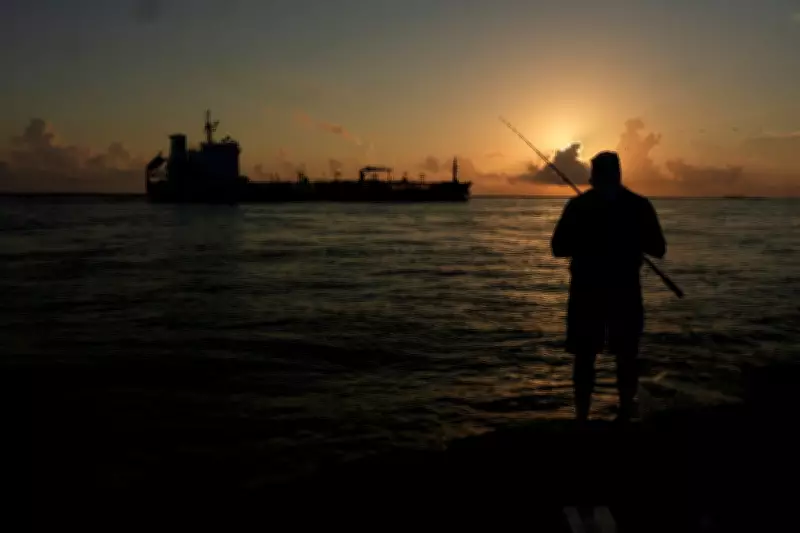
The Gulf of Mexico stands as one of the nation's premier oil-producing regions, accounting for more than 10% of the crude oil pumped annually in the United States, alongside a modest share of domestic natural gas production. Yet, this economic powerhouse has also been the site of catastrophic environmental disasters. The 2010 BP Deepwater Horizon blowout remains a stark reminder, killing 11 workers and spilling 134 million gallons (500 million liters) of oil into the marine ecosystem.
More recently, a spill earlier this month spread across 373 miles (600 kilometers), contaminating at least six species and polluting seven protected natural reserves. In a controversial decision, the Trump administration approved BP's new $5 billion ultra-deepwater drilling project in the Gulf in mid-March, further intensifying environmental apprehensions.
Critics Warn of Dire Consequences for Marine Life
Environmental groups have vigorously opposed the proposed exemption, arguing it would seal the fate of the critically endangered Rice's whale, with only about 50 individuals remaining in the Gulf. They sought to block Tuesday's meeting but were unsuccessful, as a judge deemed their request premature since officials had not yet acted on the exemption proposal.
A 2025 analysis by the National Marine Fisheries Service concluded that the Gulf oil and gas program is likely to harm several vulnerable species, including whales, sea turtles, and Gulf sturgeon. These animals face significant threats from ship strikes, oil spills, and other industrial impacts, making the potential exemption a grave concern for biodiversity.
Historical Context and Panel Composition
The Endangered Species Committee was established in 1978 to provide a mechanism for exempting projects from the Endangered Species Act, which prohibits harming or killing protected species. Exemptions are permitted if no alternative offers comparable economic benefits in a region or if the project is deemed in the nation's best interest. Over its 53-year history, the panel has convened only three times and issued just two exemptions.

The first exemption, granted in 1979, allowed construction on a dam on the Platte River in Wyoming, affecting the habitat of the whooping crane. The panel last met in 1992, approving logging in northern spotted owl habitats in Oregon, though that request was later withdrawn. The current meeting follows a federal judge's ruling on Monday that struck down earlier attempts during Trump's first term to weaken endangered species rules.
The committee's members include the secretaries of agriculture, interior, and the Army, the chairperson of the Council of Economic Advisers, and the administrators of both the Environmental Protection Agency and the National Oceanic and Atmospheric Administration. The Associated Press has reached out to Interior and Defense Department officials for comment, but responses are pending as of this report.