UK Government Faces Fury Over Climate Finance Reductions
The UK government has come under intense scrutiny after announcing a significant reduction in climate finance to developing countries, despite previous commitments to increase support. According to recent reports, the funding has been slashed by approximately one-fifth, a move that has been condemned as a betrayal of the world's most vulnerable populations.
Broken Promises and Global Consequences
Jennifer Larbie, head of UK advocacy and campaigns at Christian Aid, has voiced strong opposition to the cuts. In a letter to the editor, she emphasized that these communities are already suffering the severe impacts of climate change, a crisis they did not create. "Climate change doesn't respect borders, and the UK government's responsibility to act doesn't stop at its own," Larbie stated. She described the decision as short-sighted and dangerous, urging an immediate reversal to protect both people and the planet.
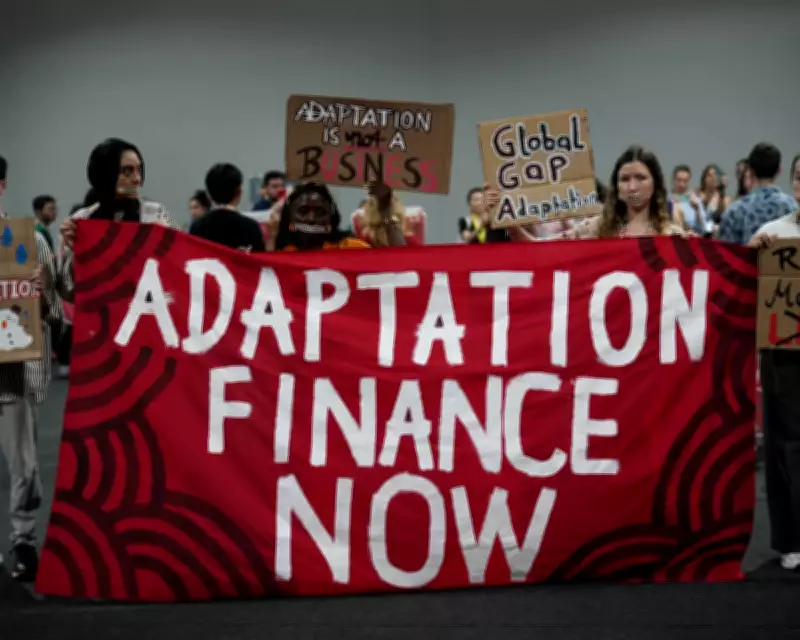
The controversy follows protests at Cop30 in Belem, Brazil, last November, where activists demanded more robust action on climate finance. The UK's reduction contradicts the global momentum for increased aid, raising questions about its leadership on environmental issues.

Broader Context of Public Sentiment
In related developments, a poll has revealed that over 60% of Europeans are prepared to sever ties with the United States if Donald Trump returns to power. This sentiment has sparked suggestions, such as from John Pelling of Coddenham, Suffolk, that Europeans could express their disapproval by boycotting the US-hosted World Cup this summer.
Meanwhile, public discourse continues to reflect diverse concerns. Joanna Rimmer of Newcastle upon Tyne lamented the overwhelming coverage of Jeffrey Epstein and his associates, juxtaposed with lighter cultural reviews. In a humorous note, Stephen Chicken from Duns, Scottish Borders, defended his grumpy objections to modern phrases like "reached out," while Dr. Anthony Isaacs of London quipped about a "blanket ban" on duvet-related letters, calling it a cover-up.
Implications for Climate Policy and International Relations
The climate finance cuts highlight a critical gap in the UK's environmental strategy, potentially undermining global efforts to combat climate change. As vulnerable nations struggle with extreme weather, rising sea levels, and economic instability, reduced support could exacerbate humanitarian crises and hinder sustainable development.
This decision also intersects with broader geopolitical tensions, such as European skepticism towards US leadership under Trump, illustrating how climate issues are increasingly intertwined with international diplomacy and public opinion.
Advocates like Larbie argue that reversing the cuts is essential not only for moral reasons but also for practical global stability. The UK's role in climate finance is seen as a test of its commitment to international cooperation and environmental justice.