Parking lots across the United States are undergoing a transformation as cities and organizations seek alternatives to traditional asphalt to combat rising temperatures and manage stormwater runoff, particularly in the face of climate change.
Innovative Parking Lot Designs
At the Hampton Roads Planning District Commission headquarters in Virginia, a crumbling asphalt parking lot was replaced last year with porous concrete panels, native plants, and recycled materials. The new design allows rainwater to infiltrate quickly, reducing puddling and flooding. Senior water resources planner Jill Sunderland noted that the surface is noticeably cooler and more inviting.
This project is part of a broader movement. New Orleans now requires its Department of Public Works to use permeable paving where practical. In Indianapolis, the Newfields art museum has installed bioretention rain gardens and permeable grid pavers in its parking lots. Denver's dePaving a Greener Denver initiative aims to reduce impervious surfaces across the city.

Reducing Parking Requirements
Another strategy involves eliminating minimum parking space requirements for new buildings. Cities like Buffalo, New York; Austin, Texas; and Minneapolis have revised their zoning codes to reduce pavement coverage.
Cooling Technologies and Shading
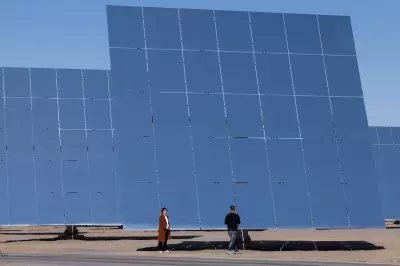
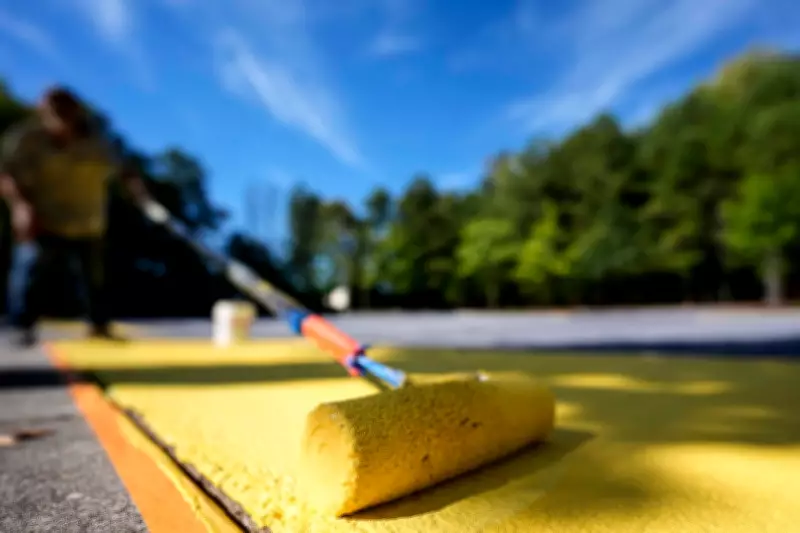
Reflective surface coatings, as used in Los Angeles' Pacoima neighborhood, help keep the ground from absorbing heat. Vegetation, including trees and green areas, also regulates temperature. Sacramento requires enough trees to shade half of new parking lots within 15 years. Washington, D.C., and Seattle mandate landscaping for new developments. Some cities use solar panel installations as shade structures.
Without such measures, dark pavement can raise local temperatures by up to 20 degrees Fahrenheit, contributing to the urban heat island effect, said Vincent Cotrone, extension educator at Penn State University. This leads to higher energy use for air conditioning, which in turn pushes hot air back outside.
Stormwater Runoff Solutions
Permeable alternatives like lattice pavers, interlocking pavers, stone beds, and honeycomb structures allow rainwater to filter through, reducing runoff and pollutant transport. Bioswales and rain gardens use plants and soil to filter pollutants before water reaches waterways.
At the Newfields museum, overflow parking uses recycled plastic grid pavers, which work well for infrequent use. Director Jonathan Wright questioned why such lots need to be impermeable asphalt when they are used only 10% of the time.
Cost Considerations
Alternative materials often have higher upfront costs but can offer longer lifespans and additional benefits. Sunderland noted that while asphalt repaving would have been cheaper initially, the new lot provides greater longevity. However, Buzz Powell of the Asphalt Pavement Alliance cautions that asphalt is more durable for heavy traffic and can be repaired more easily. He emphasizes the need to understand life-cycle impacts.
Some experts worry that budget-constrained cities may struggle to fund retrofits. Cotrone observed that while progress is being made, many existing blacktop lots remain and continue to heat up. Greg Kats of the Smart Surfaces Coalition believes that once cities understand the scale of benefits, change will become more intuitive.