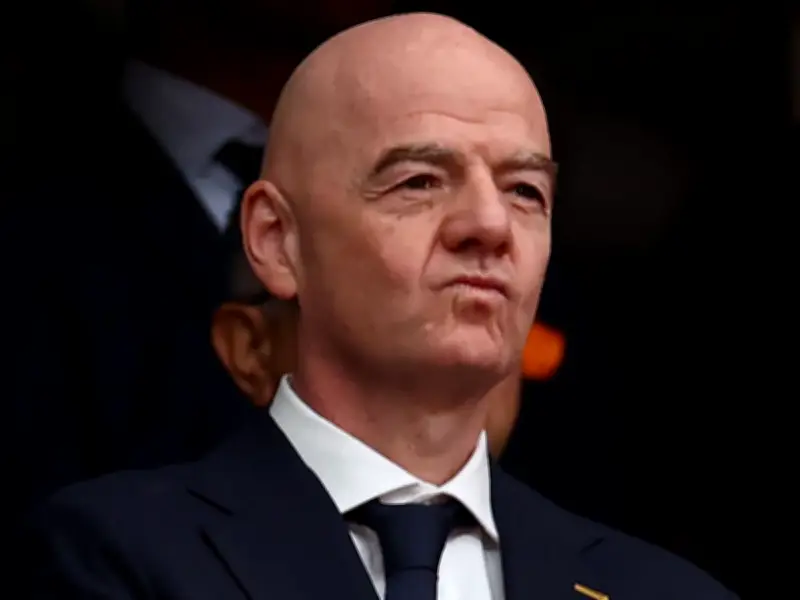
FIFA's golden rule to ensure fairness in the World Cup's final group matches is under threat from severe weather, which has already caused delays and could lead to a repeat of the infamous 'Disgrace of Gijon' from 1982. FIFA president Gianni Infantino faces a headache as the concluding round of group matches begins across North America on Wednesday.
Simultaneous Kick-Off Rule at Risk
To preserve parity, the final two fixtures in each group are scheduled to kick off at the same time, preventing teams from knowing the result of the other match before playing. This regulation was introduced after the 1982 World Cup, when West Germany and Austria colluded to eliminate Algeria. However, severe weather could derail this plan. France's 3-0 win over Iraq on Wednesday was delayed by two hours due to torrential rain, thunderstorms, and lightning in the Philadelphia area.
In the US, if lightning is detected within eight miles of a stadium, play must be suspended, and FIFA cannot intervene. As a result, the France-Iraq match, which kicked off at 5pm local time, didn't conclude until shortly before 9pm. Should such a scenario occur during the final group matches, teams could return to the pitch long after the other match has ended, knowing precisely what result they need to advance.

Potential Repeat of the 'Disgrace of Gijon'
In theory, a repeat of the 1982 'Disgrace of Gijon' involving West Germany and Austria could be on the cards. Algeria had stunned the world by beating West Germany 2-1 in their opening fixture. By the time West Germany and Austria played, Algeria had already completed their final match, beating Chile 3-2. Thus, both European teams knew exactly what result would see them both progress.
A West German victory by one or two goals would send both sides through on goal difference. A win by three or more goals would knock out Austria and advance Algeria. If Austria won or drew, West Germany would be eliminated. The match saw Horst Hrubesch put West Germany ahead in the 10th minute. Once the scoreline reached the ideal point for both teams, an unspoken 'non-aggression pact' took hold. For the remaining 80 minutes, the contest became a tedious affair, with players recycling possession sideways and backwards, avoiding tackles and attacks.
Outrage and Regulation Change
The farcical showdown sparked widespread outrage and led to the simultaneous kick-off rule. Remarkably, 44 years on, weather could again allow teams to know other results before playing, potentially enabling similar collusion. FIFA's hopes of guaranteeing fairness at the World Cup risk being blown apart by the weather.
According to FIFA regulations, lightning within eight miles of a stadium forces an immediate suspension of play, with no provision for rescheduling or adjusting kick-off times. This leaves the door open for controversy if one match is delayed while the other finishes on time.