China's Yangtze River Demonstrates Remarkable Ecological Recovery Following Comprehensive Fishing Ban
The Yangtze River in China, which has experienced severe ecological decline for seven decades, is now showing promising signs of recovery following the implementation of a sweeping fishing ban. Biologists report that fish biomass has more than doubled and several endangered species have rebounded, marking what one expert describes as "the most positive freshwater conservation story" witnessed globally in twenty years.
Scientific Study Reveals Dramatic Improvements
A research team led by Fangyuan Xiong of the Chinese Academy of Sciences published findings in the journal Science showing substantial ecological improvements in the vast waterway that serves approximately four hundred million people and hosts numerous major industrial facilities. The study compared data from the two years preceding the ban (2019-2021) with the two years following implementation (2021-2023), revealing a twofold increase in overall fish biomass and a thirteen percent improvement in species diversity.
Sébastien Brosse from the University of Toulouse in France, who participated in the research, expressed enthusiasm about the results. "It is really fantastic news. It is one of the first times that we can say that government measures have not just worked, but have really improved things," Brosse remarked, highlighting the significance of these findings for global conservation efforts.

Evolutionary Game Theory Informs Policy Implementation
The fishing ban was designed according to principles of evolutionary game theory, which assessed how three main stakeholders—local communities, regional governments, and central authorities—would respond to different combinations of punishments and rewards. This strategic approach included substantial government investment of approximately three billion dollars to compensate around two hundred thousand fishers and provide alternative employment opportunities, while also decommissioning about one hundred thousand fishing vessels.
Chinese scientists had advocated for comprehensive fishing restrictions for years to address habitat degradation and prevent further decline in fish stocks, which had plummeted by eighty-five percent. Previous government measures remained fragmented until 2021, when the central government instituted a ten-year ban across the entire Yangtze River system.
Endangered Species Show Promising Rebound
One of the most encouraging developments involves the Yangtze finless porpoise, a critically endangered species whose observed population increased from four hundred to six hundred individuals following the fishing restrictions. This represents a significant conservation achievement for a species that had been declining rapidly due to human pressures.
The recovery stands in stark contrast to earlier ecological tragedies on the Yangtze, most notably the extinction of the baiji freshwater dolphin earlier this century. That species, once revered as a goddess in Chinese culture, was wiped out by a combination of pollution, dam construction, river traffic, and destructive fishing practices using electricity and dynamite.
Ongoing Challenges and Future Prospects
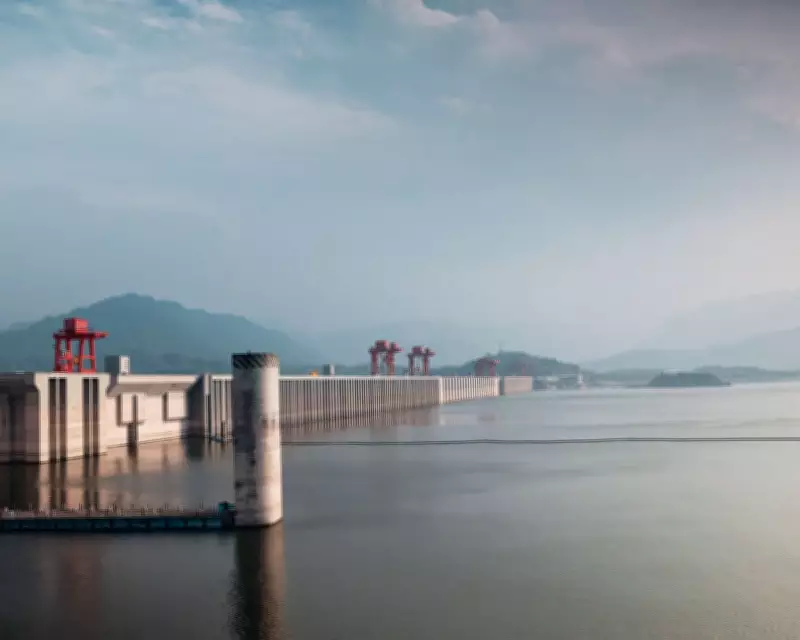
Despite these positive developments, biologists emphasize that the Yangtze River and its wildlife remain highly vulnerable to human pressures. Illegal fishing continues to pose a constant threat, particularly in the Gan tributary, requiring enhanced enforcement by local authorities. Water quality improvements remain necessary, and critically endangered species like the Chinese sturgeon still face obstacles navigating around massive hydropower plants to reach essential spawning grounds.
Study leader Fangyuan Xiong expressed optimism about the findings: "The results reported in this study provide hope that in an era of global biodiversity decline, ambitious political decisions that support large-scale restoration efforts can help reverse the ecosystem damages of the past and lead to a brighter future."

Global Implications for River Conservation
Brosse urged authorities managing other major waterways worldwide—nearly all of which are experiencing alarming deterioration—to learn from the Yangtze's example. He specifically mentioned the Mekong River as a waterway that could benefit from similar approaches, given its comparable ecological challenges.
The Yangtze River, stretching nearly four thousand miles from Tibetan Plateau glaciers to its estuary near Shanghai, represents the world's third largest river system. Its partial recovery offers evidence that the Chinese government's efforts to address ecological threats are beginning to yield positive results after decades of environmental neglect and decline, though continued conservation measures remain essential for sustaining this fragile comeback.