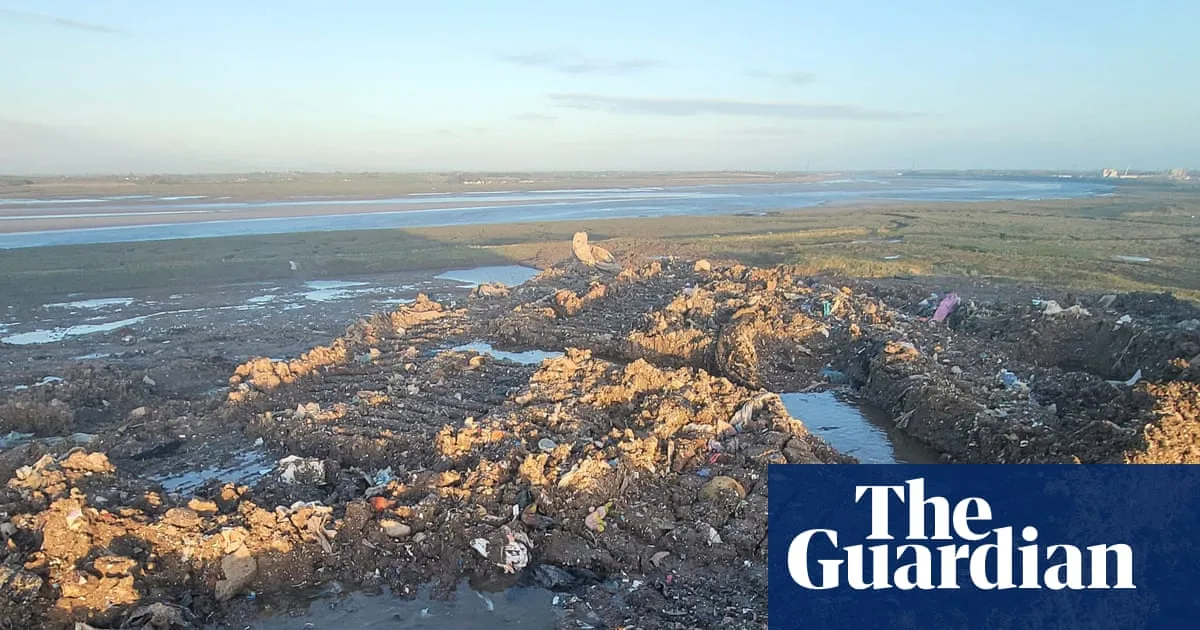
Natural Resources Wales (NRW) has launched a dedicated investigation into why two beaches in south Wales have such polluted water that people are advised not to swim. Ogmore-by-Sea and Watch House Bay in Barry are the only two bathing spots out of 114 monitored in Wales to be formally designated as 'Poor' by NRW, the nation's environmental watchdog. Signs have been placed at both beaches to warn the public.
Three Consecutive Years of Poor Ratings
Ogmore-by-Sea has been classified as 'Poor' for three consecutive years since 2023. Watch House Bay was first classified as 'Poor' in 2023, improved to 'Sufficient' in 2024, but returned to 'Poor' in 2025. NRW's project aims to understand what is affecting water quality across the entire catchment area, identify main pollution sources—whether from drainage systems, towns, or countryside—and take evidence-based action to achieve lasting improvements.
Testing and Classification Results
All designated bathing spots in Wales are tested at least eight times a year. Based on 2025 testing, 78 were classified as 'Excellent', 26 as 'Good', six as 'Sufficient', and only Ogmore-by-Sea and Watch House Bay as 'Poor'. The six 'Sufficient' spots were Wiseman's Bridge (Pembrokeshire), Traeth Gwyn New Quay, The Warren (Hay on Wye), Rhyl Central, Marine Lake (Rhyl), and Cemaes (Anglesey).

In its annual report, NRW stated that 16 samples were taken at Watch House Bay, with five showing elevated levels of faecal indicator organisms—bacteria that feed on faeces. One sample on June 12, 2025, was 'exceptionally high'. At Ogmore-by-Sea, five of 16 tests also showed elevated levels, with the highest on July 15 following moderate rainfall. River samples from the same day indicated high bacterial loadings in tributaries feeding into the rivers Ewenny and Ogmore, which drain into the sea at Ogmore-by-Sea.
Sources of Contamination
The report explained: 'The catchments associated with these bathing waters drain both urban and rural landscapes, resulting in multiple potential sources of microbial contamination. These include diffuse pollution from urban drainage, misconnections, runoff from agricultural and rural land use, wildlife contributions, as well as point-source discharges from public and private sewage infrastructure.' NRW added: 'We have recently set up a dedicated project to address the water quality challenges at these two bathing waters in the Vale of Glamorgan. The project will adopt an integrated catchment-based approach focusing on mapping and tackling water quality issues identified through monitoring and investigations.'
The South Central Bathing Waters Project
The South Central Bathing Waters Project will focus on understanding why water quality at Ogmore-by-Sea and Watch House Bay has been 'poor' and finding solutions. Teams have begun testing water and examining insects along riverbeds for pollution indicators. Over the next year, they will work across upland streams, farmland, towns, and coastline, using fieldwork and data analysis. Activities include testing water quality—especially after wet weather—identifying where pollution enters rivers and streams, pinpointing drainage problems like wrongly connected pipes, determining sources of harmful bacteria, and assessing river health through wildlife.
The project, led by NRW, will run until March 2027, aiming to 'build a detailed understanding of water quality across the catchments, identify where pollution is coming from, and use that evidence to inform practical, long-term solutions.' Partners include Dŵr Cymru Welsh Water, Bridgend County Borough Council, Vale of Glamorgan Council, and Shared Regulatory Services.
Local Criticism and Investment
Earlier this month, Bridgend Council's leader, John Spanswick, criticised the time taken to address water quality issues at Ogmore-by-Sea. He expressed disappointment with the work carried out so far. Welsh Water is working on a £7.5 million scheme to increase storm tank capacity at the works, alongside further assessment of storm overflows across Wales.