German Rescuers in Desperate Race to Save Stranded Humpback Whale
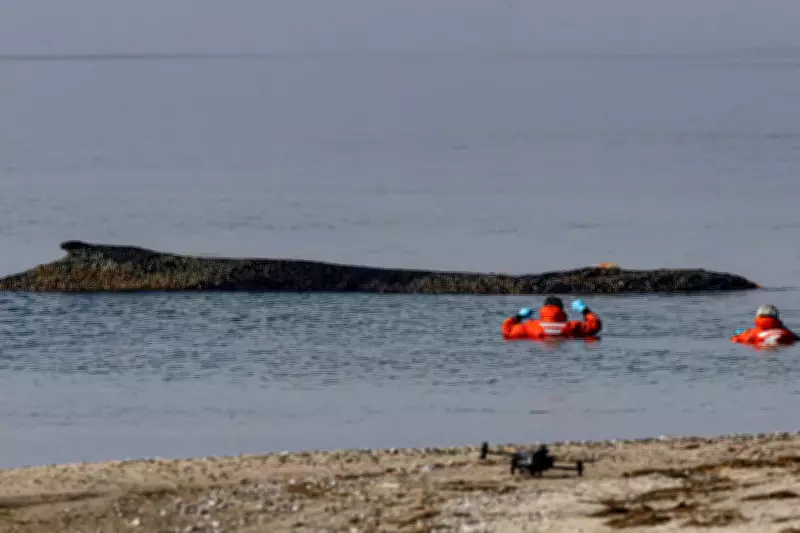
Rescue teams on Germany's northern coastline are engaged in a critical race against time to save the life of a massive humpback whale that has become stranded in shallow waters. The 33-foot marine mammal, estimated to weigh up to 15 tons, has been trapped since Monday on the shore of Lübeck Bay near Timmendorfer Strand, with experts now warning that its chances of survival are diminishing rapidly.
Failed Rescue Attempts and Dire Prognosis
Multiple rescue efforts have already failed to free the distressed whale. Heavy machinery including excavators attempted to dredge a channel through the compacted sand to create a pathway to deeper waters, but the terrain proved too challenging. Marine conservationists now fear the whale's three-day ordeal has left it dangerously exhausted, significantly reducing its prospects for survival.
Sven Biertumpfel of the Sea Shepherd marine conservation group provided a sobering assessment to Sky News, stating that if rescuers cannot successfully move the whale soon, "it will probably die there." He explained that an animal of this size can take "up to a week or even longer" to suffocate when stranded, creating a prolonged and distressing situation for both the whale and its would-be rescuers.

Complications from Previous Entanglement and Environmental Factors
The rescue operation has been further complicated by the discovery that the whale had previously become entangled in fishing gear. While some of the netting has been cut away, rope remains lodged in the animal's mouth, adding to its distress and physical challenges.
Environmental conditions have also worked against the rescue effort. Low tides and stormy weather have hampered operations, while the brackish water of northern Germany presents additional dangers. Biertumpfel explained that the less salty water is harmful to whales' skin and could lead to potentially fatal infections, making every passing minute critical.
Current Rescue Strategies and Whale's Condition
Despite the grim outlook, rescuers continue to explore every possible option. Boats from the coastguard and fire department have attempted to create large waves to help free the mammal, though these efforts have so far proven unsuccessful. Divers have entered the water to assess the whale's condition, while a larger excavator has been brought in to create a deeper channel.
Marine biologist Robert Marc Lehmann told NDR that while the whale's skin appeared damaged, the animal remained responsive. "It's reacting, it has both eyes open, it's vocalising, but it's incredibly uncertain and it's scared," he reported. Rescuers remain cautious about physically pulling the whale to deeper water due to concerns about causing further injury.
Broader Context of Whale Strandings
The incident highlights the ongoing mystery of why whales become stranded. Scientists suspect environmental changes, including those related to the climate crisis, may be contributing factors. One study has linked changing Arctic ice cover and prey availability to gray whales washing up dead along the Pacific coast, suggesting broader ecological shifts may be affecting marine mammals worldwide.
The rescue efforts are being livestreamed from the seaside town in Schleswig-Holstein, drawing attention to the challenging work of marine conservationists and the complex relationship between human activity and marine ecosystems.