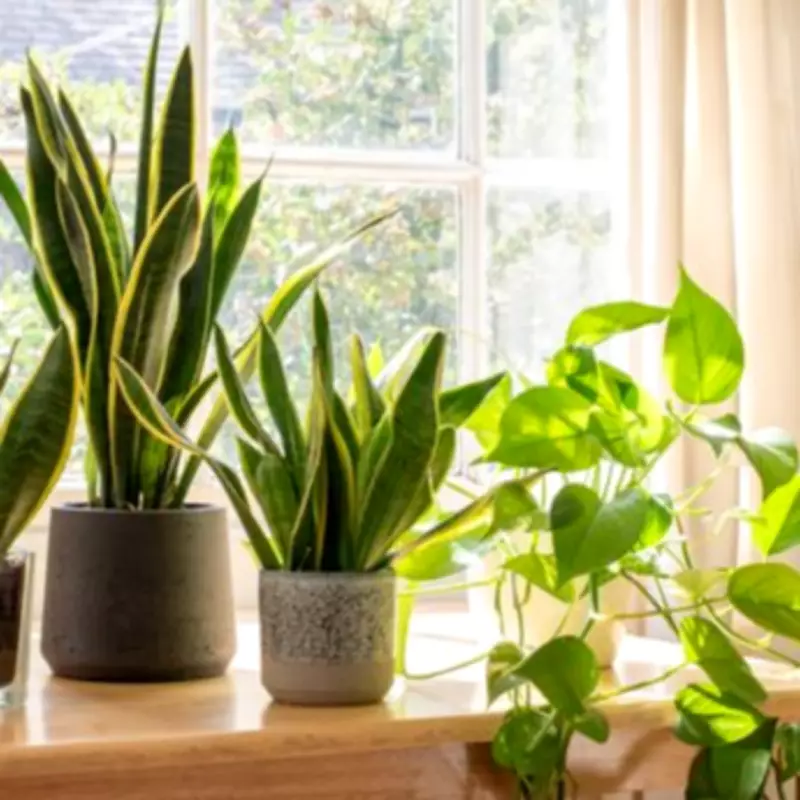
Combat Household Mould with These Seven Moisture-Absorbing Houseplants
Mould represents a persistent and troublesome issue, particularly during the colder months when damp conditions prevail. This fungus thrives in environments with excess moisture, commonly appearing in bathrooms due to condensation, but it can also infiltrate other areas of the home, especially where windows steam up or damp patches form.
Addressing condensation promptly is a critical strategy in mould prevention, as mould cannot survive without moisture. Utilising tools like window vacuums, cloths, or squeegees to remove excess water is essential. However, proactive measures to reduce moisture entry into the home can be equally effective.
Introducing specific houseplants to damp spots not only enhances the aesthetic appeal of your space but also serves a functional purpose. Certain plants are adept at drawing moisture from the air, thereby helping to prevent condensation from forming on surfaces like windows.

According to gardening experts, not all houseplants possess this moisture-absorbing capability, but several popular varieties excel at keeping homes fresh without the need for expensive dehumidifiers. The official TikTok account for the Bloom Buddy plant care app has identified seven such plants that manage moisture and purify indoor air naturally, all of which are noted for being super easy to care for.
1. Tillandsia (Air Plants)
Tillandsia, commonly known as air plants, absorb moisture directly through their foliage, effectively vacuuming up surplus humidity from the atmosphere. These plants are an excellent choice for homes because they require no soil to thrive, eliminating issues such as fungus gnats or mould from waterlogged compost.
Air plants need soaking or misting one to three times weekly to absorb water and nutrients. They flourish in bright, indirect sunlight, so positioning them near windows that avoid direct rays is ideal.
2. Rubber Plant (Ficus elastica)
Rubber plants are known for soaking up airborne contaminants that encourage mould development. Research indicates that this plant can eliminate up to 60% of pollutants, including mould spores, bacteria, and toxins, making it a superb option for enhancing indoor air quality.
These plants can also thrive in dimly lit areas, allowing them to combat mould in rooms like bedrooms and lounges, which may have drawn curtains or smaller windows.
3. Aloe Vera
Aloe vera, renowned for its beauty benefits, also serves as a natural air cleanser with antimicrobial properties. This plant helps extract excess dampness from the atmosphere, drawing moisture from both the air and its soil.
It is particularly well-suited for placement in humid spaces such as bathrooms or kitchens, where moisture levels tend to be higher.
4. Snake Plant
Snake plants are effective at tackling airborne nasties and mould spores due to their low transpiration rate, meaning they absorb more moisture from the air than they release. This makes them a fuss-free option for mould prevention.
Additionally, these hardy plants continue to produce oxygen throughout the night, potentially improving air quality while you sleep. They require watering only every 2-8 weeks and prefer to dry out between drinks to avoid rotting, making them perfect for reducing indoor moisture levels.
5. Spider Plant
Spider plants are equally proficient at reducing mould-triggering contaminants in your home. While they cannot eliminate existing structural mould, they help curb its spread by lowering excess humidity and enhancing air circulation.
6. English Ivy
English Ivy has been rigorously tested by NASA as an air purifier, emerging as a star performer in the NASA Clean Air Study for removing indoor pollutants such as benzene, formaldehyde, and trichloroethylene. It thrives in damp areas like bathrooms, where it can absorb surplus moisture, and performs well when suspended in a hanging basket.
However, it is important to note that English ivy is poisonous to pets and children if ingested, and its sap can cause skin irritation. Therefore, it should be avoided in households where these risks are a concern.

7. Peace Lily
The peace lily excels at drawing moisture from the atmosphere, making it an excellent choice for bathrooms, kitchens, or areas where laundry is dried indoors. It assists in eliminating surplus moisture that could otherwise lead to mould development.
While these plants can help reduce dampness in the air, they are not a substitute for professional mould remedies and should not be relied upon to tackle serious mould infestations. For severe cases, consulting a professional is recommended to ensure effective and safe mould removal.