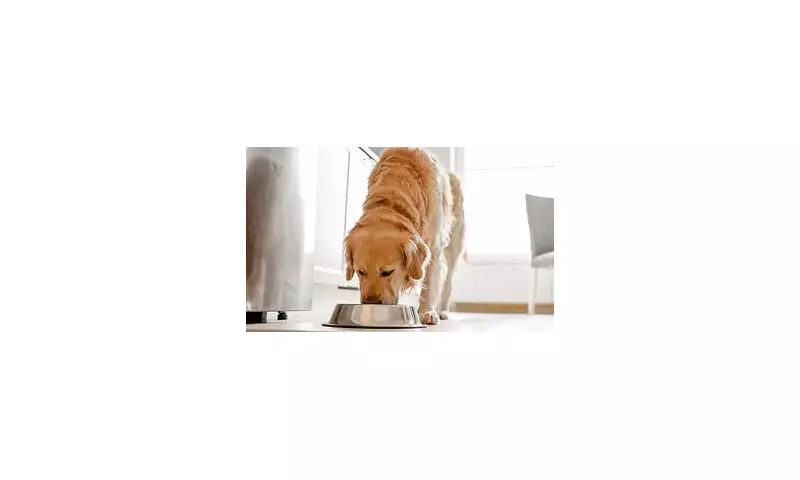
Dog owners who splurge on premium, meat-rich pet food for their beloved companions may be giving them a dietary carbon footprint larger than their own, according to groundbreaking new research.
The Pawprint of Premium Pet Food
Academics from the University of Edinburgh have conducted the largest study to date on the climate impact of dog food. Their analysis found that wet, raw, and grain-free diets are the most environmentally damaging, with products containing beef and lamb having the highest impact.
The production of ingredients for UK dog food is estimated to contribute roughly one per cent of the nation's total greenhouse gas emissions. This revelation comes as gourmet options featuring duck, goose, and venison have become a trendy choice for owners seeking the best for their pets.

From Kibble to Carbon Calculations
Researchers from Edinburgh and Exeter universities calculated the carbon footprint of nearly 1,000 commercially available dog foods. They used ingredient and nutrient labelling data, basing their findings on emissions generated during the production of those ingredients.
The study sample included a wide selection:
- Dry, wet, and raw foods
- Plant-based options
- Grain-free formulations
The results were staggering. The analysis showed that the highest-impact foods created 65 times more emissions than the greenest options available on the market.
Choosing a Greener Bowl
John Harvey, from the University of Edinburgh’s Royal (Dick) School of Veterinary Studies and the study's principal investigator, highlighted the dilemma many owners face. "As a veterinary surgeon working on environmental sustainability, I regularly see owners torn between ideals of dogs as meat‑eating 'wolves' and their wish to reduce environmental harm," he said.
"Our research shows just how large and variable the climate impact of dog food really is," Harvey added. "It’s important for owners to know that choosing grain-free, wet or raw foods can result in higher impacts compared to standard dry kibble foods."
The key driver of high emissions is the use of large quantities of prime meat cuts – the same quality that could be eaten by humans. Conversely, using nutritious carcass parts, which are in lower demand, helps to significantly limit the environmental damage.
For owners wanting to reduce their pet's impact without switching food types, experts advise checking labels carefully. Aim for products with a lower content of prime meat. An increase in the use of plant-based dog food is also likely to reduce emissions, though the study noted only a small number of such products were available to test.
Mr Harvey called for industry action: "The pet food industry should make sure meat cuts used are of the types not typically eaten by humans, and that labelling is clear. These steps can help us have healthy, well-fed dogs with a smaller pawprint on the planet."
The study, funded by the Biotechnology and Biological Sciences Research Council and published in the Journal of Cleaner Production, also made a global projection. The experts estimated that producing enough food of the types fed in the UK for all dogs worldwide could generate greenhouse gas emissions equivalent to more than half of those from burning jet fuel in commercial flights each year.