Mardi Gras in New Orleans Confronts Environmental Crisis with Sustainable Beads
New Orleans is addressing a significant environmental challenge during its iconic Mardi Gras celebrations, as the widespread use of cheap plastic beads has led to clogged storm drains and pollution in Lake Pontchartrain, posing a threat to marine life. In a major shift towards sustainability, the Krewe of Freret has implemented a ban on traditional plastic beads and is now piloting biodegradable alternatives known as PlantMe Beads, developed by researchers at Louisiana State University (LSU).
Innovative PlantMe Beads Offer Eco-Friendly Solution
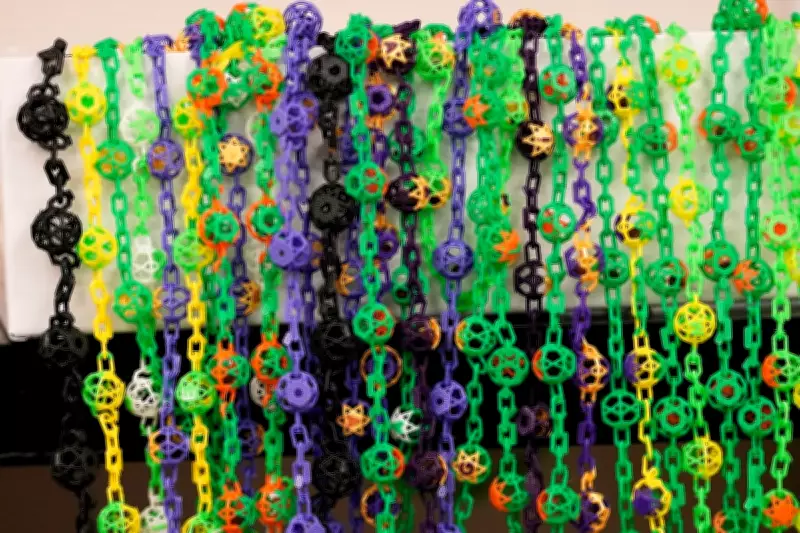
These groundbreaking PlantMe Beads are produced using 3D-printing technology from a starch-based material called polylactic acid and are embedded with okra seeds, designed to decompose naturally when planted. The project is spearheaded by LSU Professor Naohiro Kato and graduate student Alexis Strain, who have created 3,000 necklaces for testing during the 2026 Carnival season. Three krewes are participating in this trial to collect valuable feedback on the beads' performance and acceptance among revelers.
Broader Movement Towards a Greener Mardi Gras
This initiative is part of a larger effort to promote a more sustainable Mardi Gras, encouraging practices that reduce waste and favor valued, reusable throws over disposable plastic items. By adopting these eco-friendly beads, New Orleans aims to mitigate the environmental impact of its festivities while preserving the cultural traditions of the Carnival season. The move reflects a growing awareness and commitment to environmental stewardship within the community, setting a precedent for future celebrations.