Paris's 'Third Places' Serve as Vital Antidote to Far-Right Extremism
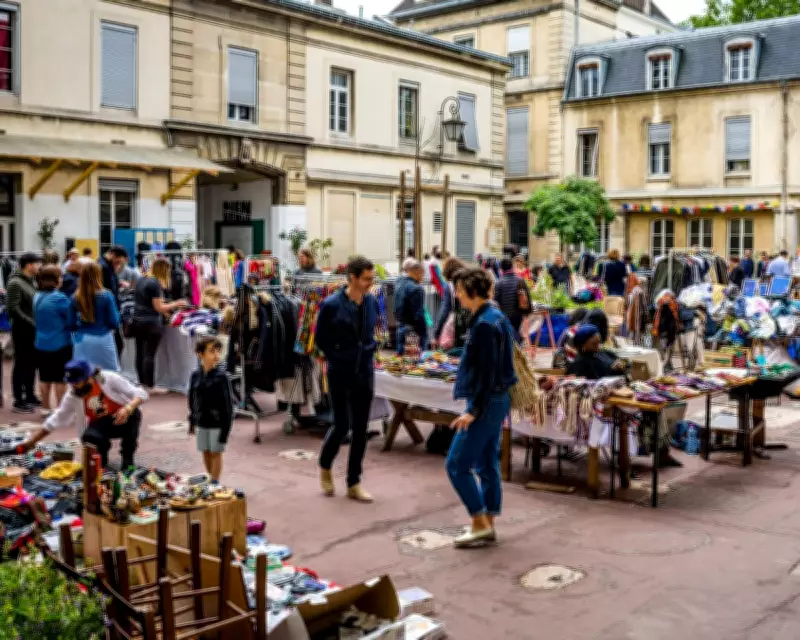
In the heart of Paris, a network of vibrant 'third places' is emerging as a powerful tool against the rising tide of far-right politics. These mixed-use spaces, where people can gather without spending money, are fostering community and countering the isolation that extremists often exploit. From pop-up venues like Print in Ménilmontant to longstanding hubs such as Les Grands Voisins in the 14th arrondissement, these areas provide food, culture, and social interaction, offering a stark contrast to the decline of similar spaces globally.
The Critical Role of Accessible Social Hubs
Third places, including libraries, youth centres, and community cafes, encourage lingering and facilitate encounters among neighbours. This accessibility is crucial in an era where digital isolation and commercial pressures have eroded traditional gathering spots. In the UK, for instance, 37% of pubs have closed since 1992, stripping rural areas of social focal points. Similarly, France has seen 18,000 bars-tabac shut between 2002 and 2022, with studies linking these closures to increased support for the National Rally in affected regions.
Paris, however, has bucked this trend through deliberate political infrastructure. The city's commitment to third places is evident in spaces like La Guinguette de la Javel, where free costume closets and food trucks once thrived, and Ground Control, a creative hub in old railway depots. These initiatives reflect a radical political statement: the right to simply exist without financial obligation, challenging the commercialisation of public life.

Political Implications and Urban Success Stories
The importance of these spaces was highlighted in recent municipal elections, where the far-right made inroads but underperformed in key cities like Paris, Marseille, and Lyon. In Paris, voters endorsed progressive policies by supporting Emmanuel Grégoire over right-wing challenger Rachida Dati, signalling approval for initiatives like third places. This urban strategy forms a bulwark against the grievance politics that fuel extremism, promoting inclusivity over atomisation.
Examples abound across Paris's arrondissements. La Cité Fertile, beyond the city's periphery, hosts conferences on race and identity, while smaller cafes solidaires transform old railway stations into arts spaces. Even avant-garde jazz clubs with pay-what-you-like models contribute to this ecosystem. These venues cater to diverse demographics, from teenagers at le Centquatre to beneficiaries of 'suspended meals' at La Recyclerie, ensuring broad accessibility.
Global Context and Future Prospects
Globally, the loss of third places has paralleled the rise of far-right movements, as seen in the US where Starbucks attempted to fill the void left by declining community spaces. Paris's proactive approach, supported by nonprofit groups, offers a model for other cities. By prioritising pedestrianisation, public housing, and third places, Paris demonstrates that urban policy can combat disaffection effectively.
As Alexander Hurst notes, these spaces encourage whimsy and exuberance, providing loud, quirky environments where people can connect authentically. In a world increasingly dominated by digital interactions, Paris's third places remind us of the power of physical community—a lesson that will continue to shape the city's political landscape and inspire similar efforts worldwide.