As winter tightens its icy grip, keeping outdoor areas like patios and driveways safe becomes a pressing concern for households across the UK. Slippery surfaces pose a significant hazard, but reaching for harsh chemical melts can damage your property and the environment. Experts are now highlighting a simple, effective, and surprisingly eco-friendly solution already sitting in your kitchen: used coffee grounds.
A Natural Solution from Your Kitchen Cupboard
According to advice from DG Health, a key principle for de-icing is that less is more. The goal is to use just enough product to break the ice's bond with the surface before manually clearing it away. This approach minimises potential damage. Among their recommended alternatives is the use of spent coffee grounds, a common household waste item.
Scattering coffee grounds on icy slabs and pathways serves a dual purpose. Firstly, the dark colour helps absorb sunlight, which can assist in melting the ice. More importantly, the gritty texture provides immediate traction, acting as a natural form of grit to prevent slips and falls. Being biodegradable, they simply break down over time, eliminating a messy clean-up and making them safe for pets and plants that may come into contact with the treated area.

Protecting Your Paving and Exploring Other Eco-Options
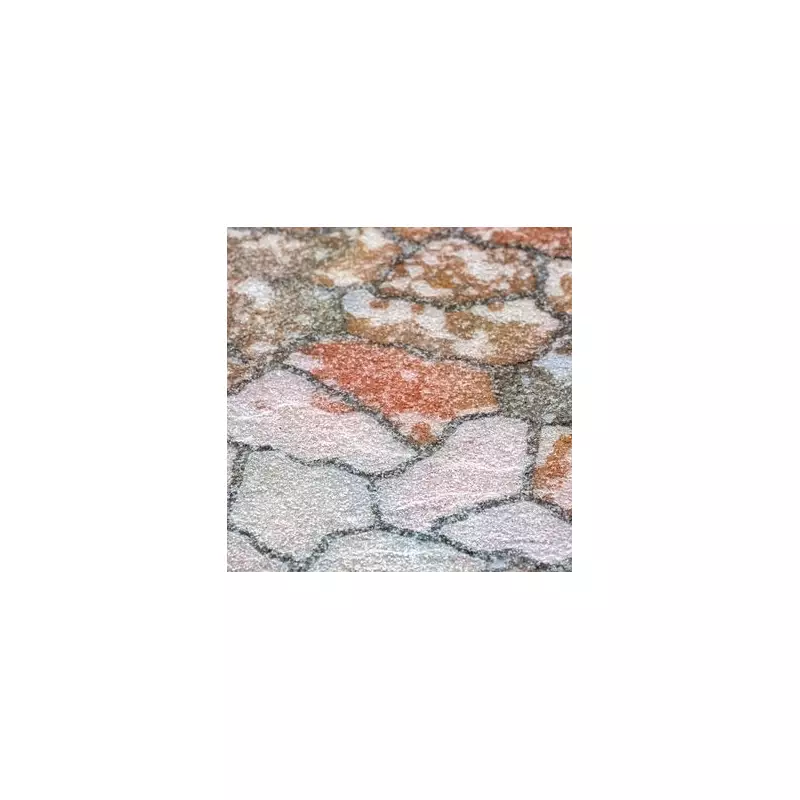
This method is particularly advised for delicate surfaces like slate paving, which can be easily damaged by harsh salts or improper clearing techniques. For snow clearance on such surfaces, using a plastic shovel and pushing the snow away, rather than lifting it, reduces the risk of scratches and slab damage.
DG Health suggests other environmentally conscious alternatives. Plain sand is an excellent option for improving grip without corrosive effects. For a more innovative approach, a mixture of beetroot juice and salt brine can be highly effective. This concoction works by lowering the freezing point of water and is notably gentler on paving materials than rock salt alone.
Planning Ahead for Future Winters
While reactive measures are essential during a cold snap, proactive steps can offer longer-term protection. One top tip is to seal outdoor slabs before winter arrives. This provides a protective 'winter coat' against moisture and frost damage, though it requires adequate drying time before the first frost, making it a task to plan for the following season.
By adopting these methods, particularly the use of everyday items like coffee grounds, homeowners can tackle icy conditions effectively while safeguarding their property, local wildlife, and the broader environment from the harmful effects of traditional de-icing chemicals.