Entire Wolf Pack Euthanised at UK Wildlife Park Sparks Conservation Debate
A conservation charity has expressed profound concern following the euthanasia of an entire wolf pack at a British wildlife park. The Wildwood Trust, located in Herne Common, Kent, described the decision as an absolute last resort after aggression within the pack escalated severely, resulting in life-threatening injuries to three of the five animals.
Charity Brands Situation 'Disastrous'
The charity Born Free, which advocates for keeping wildlife in natural habitats, has labelled the situation as disastrous. The organisation claims this tragic event underscores the inherent dangers of captivity for species like wolves, which possess complex social structures.
Chris Lewis, Born Free's Captivity Research and Policy Manager, told the Daily Mail: 'Born Free is deeply concerned at this tragic and disastrous situation. It reflects the stark reality that creating and maintaining stable social groupings for species such as wolves, which live in complex and hierarchical social groups, is almost impossible in captivity.'

He further explained: 'When the stability of such groups breaks down, the captive environment gives the animals nowhere to escape from conflict or naturally disperse as they would in the wild. It is yet more evidence as to why species with complex social structures should never be kept in captivity for the sake of public entertainment.'
The Pack and the Park's Response
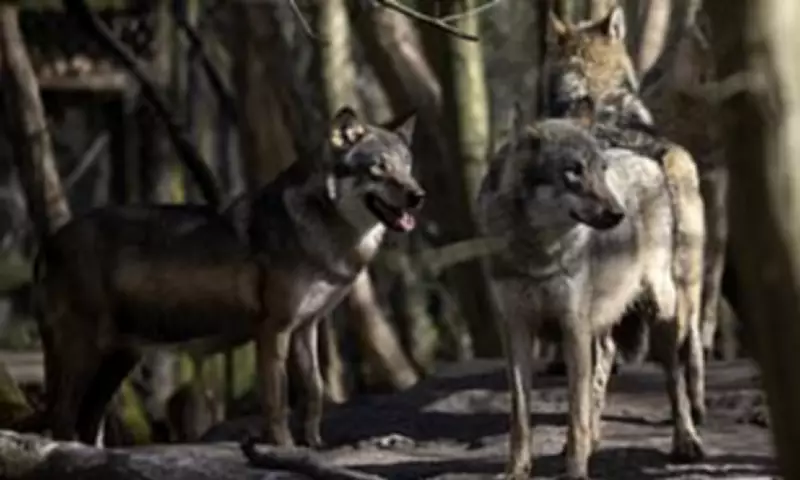
The euthanised pack consisted of the commanding duo Nuna and Odin, along with their three male offspring: Minimus, Tiberius, and Maximus. Following significant backlash from activists and former visitors, Wildwood Trust emphasised that the decision was reached after extensive consultation with veterinary professionals and wolf specialists across Europe.
A spokesperson stated: 'We recognise that this news is deeply upsetting, and we understand why many people feel distressed. This decision was made with great care and only after extensive consultation with leading wolf specialists from across Europe, experienced veterinary professionals, and an independent ethical review.'
The spokesperson added: 'We undertook a thorough and exhaustive process, exploring every possible alternative and intervention before reaching this point. Animal welfare remains our highest priority. For nearly eight years, this pack lived together as a healthy and stable group. However, the situation deteriorated rapidly, and expert advice made clear that any delay or alternative course of action would have resulted in prolonged pain and suffering for all five individual wolves.'
Activist Criticism and Public Outcry
Wildlife activists argue this case provides clear proof that wild species should not be kept in captivity, suggesting that stress may have triggered the wolves' aggressive behaviour.
Dominic Dyer, a wildlife protection and animal welfare campaigner, wrote on social media: 'Yet another example of why wild animals should not be kept in captivity.' Another animal lover questioned: 'How do they think wolves can act naturally when they are locked up?'
The park has faced a wave of scathing reviews in the past day, with former visitors criticising the facility. One reviewer commented: 'Terrible place, we visited last summer. Small muddy enclosures, bored and stressed animals. And now on top of all that they kill an entire wolf pack due to fighting!'
Wildwood Trust's Mission and Leadership
Wildwood Trust in Kent features over 50 species of native British animals, including deer, badgers, wild boar, wolves, and brown bears. The charity also operates a second site, Wildwood Devon, located on Escot Park in Ottery St Mary, Devon. Their primary aim is to save British wildlife from extinction and reintroduce recently extinct species.
Paul Whitfield, Director General of Wildwood Trust, stated the trust's mission is straightforward: 'protecting, conserving and rewilding native species.' In a previous interview on the Wildwood Podcast, he said: 'What we're doing now is fantastic. It's inspirational work and we're proud of it. I'm very proud to be part of it.'

Regarding the euthanasia decision, Whitfield explained: 'Our keepers care hugely about these animals and did everything they could to find a way forward. Wolves are highly social animals that live within complex family structures, and when those dynamics break down, conflict and rejection can increase. In this case, it led to ongoing welfare concerns and an unacceptable risk of serious injury.'
He concluded: 'Euthanasia is never taken lightly, but in responsible animal care it can sometimes be the most humane option when welfare can no longer be maintained. This decision was an absolute last resort, with the animals' welfare as our priority. It's incredibly difficult, but it was ultimately the right thing to do to prevent further suffering.'
The incident has sparked a broader debate about the ethics of captivity, animal welfare standards, and the challenges of managing wild species in controlled environments.