Doctor Reveals Hidden Heart Disease Sign Found in the Legs
Millions of people across the UK are living with heart disease, yet a staggering number remain unaware of their condition. According to the British Heart Foundation, approximately 7.6 million individuals in the UK suffer from heart or circulatory diseases. However, it is estimated that around 400,000 are living with undiagnosed heart failure, and an additional five million have undiagnosed high blood pressure.
This situation has been described as a "ticking timebomb", with the British Heart Foundation warning that failing to identify those affected is creating a "powder keg" of future ill health. This not only threatens to devastate families but also places unsustainable pressure on the UK's health systems.
Understanding Heart Disease
Heart disease encompasses a range of conditions that impact the heart and blood vessels. It is often caused by fatty deposits in the arteries, which can increase the risk of blood clots. This damage can extend to vital organs such as the brain, heart, kidneys, and eyes. Certain blood tests are available to measure different types of fats within the body, aiding in diagnosis.

Key Symptoms to Watch For
During National Heart Month in February, Dr. Bhavini Shah from LloydsPharmacy Online Doctor highlighted essential symptoms of heart disease, including one lesser-known sign that appears in the legs. She also provided practical advice on reducing the risk of heart disease.
Chest Pain: Dr. Shah notes that chest pain is a common symptom. If it feels like pressure, tightness, squeezing, or heaviness, it could indicate a heart attack, and it is crucial to dial 999 immediately.
Shortness of Breath: This well-known symptom occurs when the heart fails to pump enough blood, leading to fluid buildup in the lungs and difficulty breathing.
Irregular Heartbeat: Irregular heart rhythms can signal heart disease. While not always serious, it is important to get this checked to rule out underlying issues.
Extreme Fatigue: Persistent tiredness that makes daily activities or mild exercise exhausting can be a symptom of heart disease.
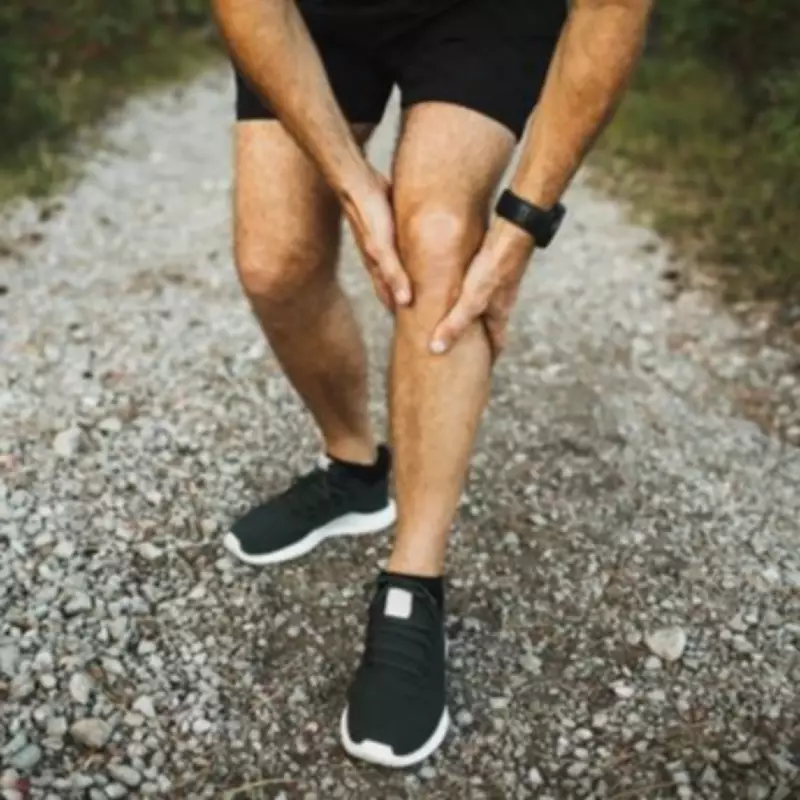
Swelling in the Legs: Dr. Shah explains that leg swelling, medically known as oedema, is a less recognized symptom. It occurs when fluid accumulates in the tissue and may worsen throughout the day.
If you experience any of these symptoms and suspect a heart attack risk, dial 999. Additionally, seek medical attention from a GP for further evaluation.
How to Reduce Your Risk of Heart Disease
Eating Healthily: Reducing fat intake can lower the risk of coronary heart disease, blood pressure, and cholesterol levels. The NHS recommends a high-fibre, low-fat diet with at least five servings of fruit and vegetables daily, along with whole grains like oats, rye, and brown rice. Limit salt to no more than 6g per day and avoid saturated fats to manage cholesterol.
Getting Active: Dr. Shah advises staying active to prevent heart disease. The British Heart Foundation states that regular activity can reduce heart disease risk by up to 35%, help regulate blood pressure, and lower cholesterol. Aim for at least 150 minutes of exercise per week, such as walking, cycling, swimming, or attending fitness classes.
Quitting Smoking: The British Heart Foundation emphasizes that stopping smoking is "the single most important step" to protect heart health. Smoking chemicals make artery walls sticky, leading to fatty deposits that can clog arteries, increasing risks of heart attacks and strokes. It also raises heart rate, blood pressure, and reduces oxygen delivery.
Limiting Alcohol Intake: Drinking alcohol in moderation can reduce heart disease risk. NHS guidelines recommend no more than 14 units per week for both men and women, spread over at least three days. Excessive alcohol consumption over time is linked to high blood pressure and increased risks of heart disease or stroke.

Getting Quality Sleep: Lack of sleep may increase heart disease risk. Adults need seven to nine hours per night, while teenagers, children, and babies require eight to 16 hours. Making small, manageable changes to daily routines can significantly impact heart health.