Gym Owner's Quick Action Saves Man's Life During Cardiac Arrest
A 41-year-old father-to-be who suffered a cardiac arrest during a gym class feels "lucky and blessed" that the gym owner's rapid response and first aid skills saved his life. In June 2025, Chris Wall collapsed midway through an intense workout at Catalyst Training in Cirencester, Gloucestershire.
Immediate Response in Critical Moment
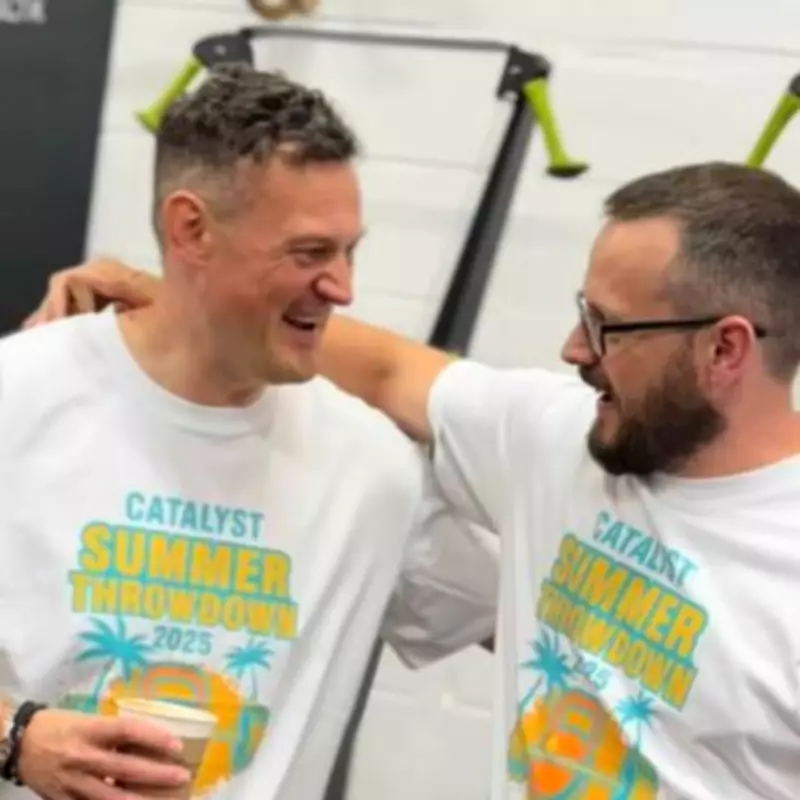
Gym owner Robin Oakley, 39, was leading the class when Chris collapsed. Recognizing the signs of cardiac arrest from previous experiences, Robin immediately began CPR and used a defibrillator. This fast action proved crucial, as Chris later stated, "I would not be here today if I wasn't in that gym class."
Robin was assisted by fellow class members Jack and Alice, who helped check vital signs while others fetched the defibrillator from outside the gym and called emergency services. Robin continued CPR until paramedics arrived, administering one shock with the defibrillator himself.

Medical Emergency and Recovery
Paramedics administered four additional shocks, and Chris received CPR for approximately 30 minutes before being airlifted to Bristol Royal Infirmary. He remained hospitalized for three days, where doctors determined the cardiac arrest was caused by a ruptured artery plaque that created a clot blocking blood flow to his heart.
Chris's recovery involved overcoming physical challenges like bruised ribs from CPR and mental hurdles. With support from his partner Nikki, he gradually increased activity through short walks. He also made significant lifestyle changes, including quitting smoking entirely, reducing alcohol consumption, and improving his diet.
Statistics Highlight Importance of Quick Response
The British Heart Foundation reports over 40,000 out-of-hospital cardiac arrests occur annually in the UK, with survival rates below 10%. Early CPR combined with defibrillator use can more than double survival chances, as each minute without treatment reduces survival probability by up to 10%.
Defibrillators are designed for public use with voice instructions and diagrams, while the BHF's free RevivR tool teaches CPR in just 15 minutes. Chris emphasized, "If I'd decided not to go to the gym that morning, there wouldn't be a defibrillator within 100 metres... I feel lucky and blessed."
Looking Forward to New Challenges
Just over a month after his cardiac arrest, Chris returned to the gym wearing a heart rate monitor. Despite initial anxiety, particularly around Saturday morning classes, he regained confidence with support from Robin and the gym community.
Chris is now training for the British Heart Foundation's London to Brighton Bike Ride on June 21, covering 54 miles from Clapham Common to Brighton Seafront. This event coincides with the anniversary of his cardiac arrest. His training faces one potential interruption: the expected late June arrival of his "miracle baby" with partner Nikki.
Reflecting on his experience, Chris expressed profound gratitude: "I'm just super grateful that I was there and the guys knew what they were doing." His story underscores the life-saving importance of CPR training and accessible defibrillators in public spaces.