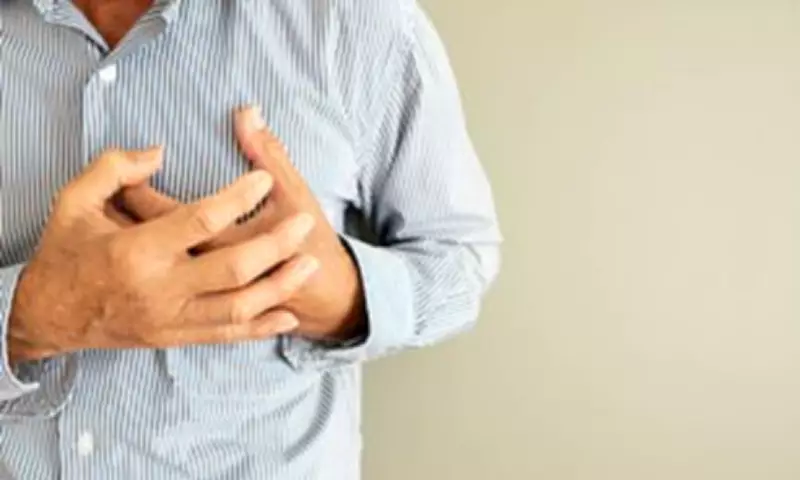
Heart Attack Risk: Slim and Fit People Also at Danger from High Cholesterol
Most people carry a mental image of the typical heart attack victim: someone who is overweight, perhaps middle-aged, consuming fried foods regularly, and avoiding exercise. However, according to leading cardiologist Dr Oliver Guttman, this stereotype can be dangerously misleading and potentially life-threatening.
The Silent Killer: High Cholesterol Knows No Body Type
One of the most significant risk factors for cardiovascular disease is high cholesterol, and Dr Guttman warns that it can affect individuals who appear slim, fit, and otherwise healthy. While unhealthy habits such as a diet high in saturated fats, excessive alcohol consumption, and lack of physical activity can elevate heart attack risk, Dr Guttman stresses that body shape alone does not provide a complete picture.
'Cholesterol is influenced by many factors beyond body weight,' he explains. 'Genetics, diet, age, and physical activity all play crucial roles in determining cholesterol levels.' The issue is that high cholesterol typically presents no symptoms until it is too late, earning it the nickname 'silent killer'.

This condition increases the risk of heart attacks, strokes, and other cardiovascular diseases, which are the leading causes of death and disability in the UK, responsible for approximately 170,000 fatalities annually. Dr Guttman emphasizes that believing slimness equates to immunity from heart attacks is one of the most dangerous misconceptions about this health threat.
Understanding Cholesterol: The Good, The Bad, and The Misunderstood
First, it is essential to comprehend what cholesterol actually is. Cholesterol is a fat-like substance, known as a lipid, found in every cell of the body. Not all cholesterol is harmful. HDL cholesterol, often called the 'good' type, helps transport excess cholesterol in the bloodstream back to the liver, where it is broken down and eliminated.
In contrast, LDL cholesterol, the so-called 'bad' type, behaves differently. It can accumulate in artery walls, forming fatty deposits that narrow blood vessels and heighten the risk of heart attacks and strokes. If HDL levels are too low, this harmful cholesterol can build up more easily.
Dr Guttman notes that the total cholesterol figure alone does not tell the full story. 'Two people can have identical total cholesterol levels but face very different cardiovascular risks depending on how those components are balanced,' he clarifies. Doctors also consider other factors such as blood pressure, age, smoking status, diabetes, and family history when assessing heart disease risk, so it is never about focusing on a single number alone.
Slim and Healthy? You Might Still Have High Cholesterol
Many individuals assume that if they are slim and physically active, they do not need to worry about their cholesterol levels. According to Dr Guttman, this belief can be dangerously misleading. 'Being slim does not guarantee healthy cholesterol levels,' he states. 'Cholesterol is influenced by many factors beyond weight.'
Some people who appear very fit and maintain a healthy weight can still have high cholesterol because their bodies naturally produce more of it. High cholesterol can also run in families. Additionally, it is not just overall body fat that matters, but visceral fat—the fat stored deep inside the abdomen around organs. This type of fat is linked to higher levels of harmful LDL cholesterol and greater cardiovascular risk.
Research indicates that diets high in saturated fat and ultra-processed foods can promote visceral fat storage, even in individuals who appear slim. 'The only way to know your levels is through a blood test,' Dr Guttman advises. 'You should have them checked regularly to ensure they are not creeping up unnoticed.'
Cholesterol Risks for Women: A Later but Significant Threat
While women are generally less likely than men to suffer heart attacks earlier in life, cholesterol remains an important risk factor. Dr Guttman explains that women tend to develop heart disease later partly due to the protective effects of oestrogen before menopause. However, the risk rises sharply after menopause.

'Heart disease remains one of the leading causes of death in women,' he says. Another challenge is that symptoms in women are often less typical than the classic crushing chest pain commonly described by men. For these reasons, it is crucial that women also pay attention to their cardiovascular health, including cholesterol levels and other risk factors, and seek medical advice if they develop concerning symptoms.
Statins: Debunking Myths and Understanding Benefits
Statins are among the most widely prescribed medicines globally and are highly effective at lowering cholesterol and reducing the risk of heart attacks and strokes. Despite this, many patients are reluctant to take them. Statins are often blamed for aches and pains that commonly develop in midlife, even though large clinical trials suggest true statin side effects are far less common than many believe.
One of the biggest challenges doctors face is that many patients do not take the medication regularly. Studies show a significant proportion stop within the first couple of years, which is one reason many people fail to reach healthy cholesterol targets. For those who genuinely cannot tolerate a particular statin, doctors can often try a different type or adjust the dose. In some cases, patients may be referred to specialist clinics to consider alternative cholesterol-lowering treatments.
Like all medicines, statins do carry some risks, but serious complications are very rare. A severe muscle condition called rhabdomyolysis, where muscle tissue breaks down and can damage the kidneys, occurs in only a tiny fraction of patients. There is also evidence that statins can slightly increase the risk of developing type 2 diabetes, and they can occasionally affect liver function, which is why doctors monitor patients with blood tests.
However, experts assert that these risks are small compared to the benefits for people with raised cholesterol or increased cardiovascular risk. Dr Guttman says: 'For people with raised cholesterol or cardiovascular risk, the benefits of statins in preventing heart attacks and strokes generally far outweigh the risks, and doctors consider these factors carefully before recommending treatment.'
The Role of Diet in Managing Cholesterol
While statins are powerful medications, Dr Guttman emphasizes that they do not replace the need for a healthy lifestyle. Diet can still play a vital role in lowering cholesterol levels. Eating foods rich in soluble fibre, such as oats, beans, and lentils, can help reduce levels of harmful LDL cholesterol.
Oats contain beta-glucan, a type of soluble fibre that forms a gel-like substance in the gut and binds to cholesterol, preventing some of it from being absorbed into the bloodstream. Research published earlier this year found that eating porridge for just two days could cut LDL cholesterol levels by up to 10 per cent, particularly in people with metabolic syndrome—a cluster of conditions including obesity, high blood pressure, and raised blood sugar that increase heart disease risk.