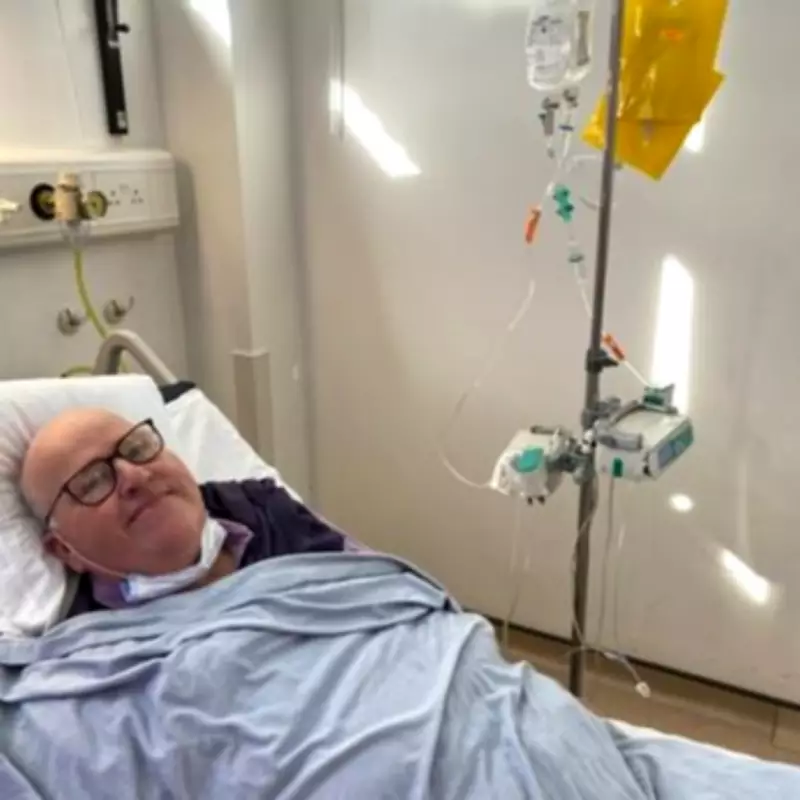
A grandfather who was told he had just two years to live after a terminal cancer diagnosis has made a miraculous recovery following a groundbreaking clinical trial, sharing his story to highlight what he calls the "forgotten cancer."
From Persistent Heartburn to Terminal Diagnosis
Andrew Stanley, a 67-year-old retired accountant from Milton Keynes, had experienced occasional heartburn for years, considering it a common nuisance. However, when he began having significant discomfort and difficulty swallowing food, he decided to consult his GP.
"I had heartburn for years and didn't realise it could be the sign of something more serious," Andrew explained. "I saw a doctor when I was having difficulty swallowing food but it took some time for me to be diagnosed."

What followed was a lengthy journey of tests and repeat referrals that eventually led to a devastating diagnosis in 2023: stage 4 oesophageal cancer, an advanced form where the disease has spread from its original site and is often considered incurable.
The Shocking Prognosis
"It was a terrible shock to find out I had cancer, especially as I was told it had spread and I'd only have around two years left to live," Andrew recalled of the moment he received his prognosis.
The grandfather of three retired immediately to focus on his battle with the disease, facing what seemed like insurmountable odds with few conventional treatment options available.
Alarming Rise in Late-Stage Diagnoses
Andrew's story emerges as concerning new data reveals the proportion of oesophageal cancers diagnosed at stage 4 in England has increased significantly, rising from 25% in 2013 to 37% in 2022.
Jill Clark, chair of Action Against Heartburn, which analysed the latest data on this cancer affecting the food pipe connecting mouth to stomach, stated: "Oesophageal cancer is the forgotten cancer. Incidence in the UK is disproportionately high and late diagnosis means that it is often fatal."
The survival statistics paint a stark picture:
- Approximately 9,200 new cases of oesophageal cancer are diagnosed in the UK each year
- Fewer than 20% of people diagnosed survive more than five years
- One-year survival rates drop dramatically from 89% at stage 1 to just 26% at stage 4
Why Are Diagnoses Coming So Late?
Clark explained the complex factors behind the increase in late-stage diagnoses: "The reasons for the increase in late-stage diagnosis are unclear but are likely to be due to a combination of strain on the NHS, referral delays, unhealthy lifestyles, an aging population and poor symptom awareness."
Persistent heartburn - a symptom many dismiss as common and harmless - has been identified as a potential warning sign of oesophageal cancer, though it often goes unrecognised until more severe symptoms like swallowing difficulties emerge.
A Miraculous Turnaround Through Medical Innovation
Just when Andrew's options seemed exhausted, he received an opportunity that would change everything. "At first there were very few treatment options, but then I was very lucky to have the opportunity to take part in a clinical trial at Churchill Hospital in Oxford," he explained.
The trial proved extraordinarily successful, enabling Andrew to undergo surgery that ultimately cleared him of cancer - a result that defied his original terminal prognosis.
"It was extremely successful and meant I was able to have surgery and I'm now clear of cancer," Andrew said, expressing both relief and gratitude for the medical breakthrough that saved his life.
Raising Awareness and Offering Hope
Now cancer-free, Andrew is determined to use his experience to help others. "I want to share my story to give people hope but also to raise awareness of oesophageal cancer," he stated.
He emphasised the importance of recognising symptoms early: "It is relatively common but you don't often hear about it. We need more recognition of symptoms and I'd advise anyone who is continually taking medication for heartburn to go to their doctor."

Andrew's remarkable journey from terminal diagnosis to recovery serves as both a cautionary tale about symptom awareness and a testament to the life-saving potential of medical research and clinical trials.