A landmark study from a leading Los Angeles hospital has uncovered a dramatic and alarming surge in serious health conditions in the wake of the catastrophic wildfires that struck the city earlier this year. The research indicates that the toll on public health was profound, with heart attack rates reaching levels not seen even at the peak of the Covid-19 pandemic.
Alarming Spike in Cardiac and Respiratory Emergencies
According to the new data released by researchers at Cedars-Sinai Medical Centre, emergency department visits for heart attack symptoms soared by 46% in the 90 days following the devastating Palisades and Eaton fires. The study, published in the Journal of the American College of Cardiology, paints a stark picture of the immediate aftermath.
"Rates of heart attacks in January 2025 actually surpassed heart attack rates during all the prior Januaries, even during the Covid years," stated Dr Susan Cheng, director of public health research at Cedars-Sinai and the study's senior author. The hospital is situated roughly 10 to 20 miles from the fire epicentres.

The health crisis extended far beyond cardiac events. Residents in zip codes directly affected by the January blazes or adjacent to them reported a 24% increase in pulmonary illness. Perhaps most strikingly, blood test abnormalities skyrocketed by an unprecedented 218%.
A Public Health Crisis Matching Pandemic Levels
Dr Cheng emphasised the severity of the situation, noting that the wave of respiratory illness flooding into the emergency room was comparable to the worst periods of the coronavirus pandemic. "What we saw during the wildfires was an excess of respiratory illness showing up in our ER that matched the worst years of Covid," she said. "And that was striking."
While some increase in breathing problems was anticipated due to toxic smoke inhalation, the scale of the cardiac and systemic impact was a shock to researchers. The study suggests the fires placed an immense biochemical stress on thousands of bodies, affecting multiple organ systems simultaneously.
The blood test data, which revealed subtle imbalances in electrolytes, proteins, and markers of kidney and liver function, came from patients with puzzling symptoms. These included dizziness without clear dehydration or chest pains lacking other classic signs of a heart attack.
The Uniquely Toxic Nature of Urban-Wildfire Blazes
The extreme danger posed by the Palisades and Eaton fires is linked to their classification as "wildland-urban interface fires (WUI)". Unlike fires that burn solely in wilderness or urban settings, WUI fires consume a deadly cocktail of organic materials and man-made industrial fuels. This includes plastics, batteries, and electronics, which release a far more toxic and hazardous smoke when burned.
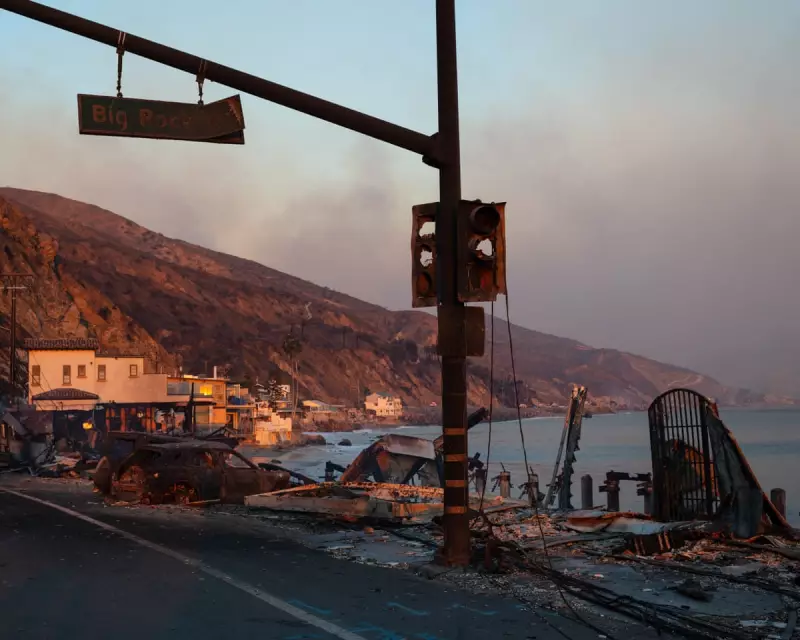
The Palisades fire, the most destructive in Los Angeles history, killed 12 people and destroyed 6,800 structures. To the east, the Eaton fire devastated Altadena, claiming 19 lives and, together with damage in Pasadena and Sierra Madre, levelling over 9,400 structures.
Dr Cheng and her colleagues acknowledge this research is just the beginning. The long-term health consequences for thousands of exposed residents remain largely unknown. "There's a lot of work to do," Cheng concluded. "We're still working hard to put the pieces together." The findings serve as a urgent warning about the extensive and lingering human cost of climate-fuelled megafires.