Dental Chairside Screening Could Transform Diabetes Detection in the UK
Groundbreaking academic research indicates that a straightforward "chairside" test administered during routine dental appointments could dramatically increase diagnosis rates for diabetes across the United Kingdom. Experts currently estimate that approximately 1.3 million people in the UK are living with undiagnosed type 2 diabetes, while a further six million individuals are believed to have prediabetes—a condition characterised by elevated blood sugar levels that significantly raises the risk of developing full-blown type 2 diabetes.
Simple Six-Minute Test Offers Major Diagnostic Breakthrough
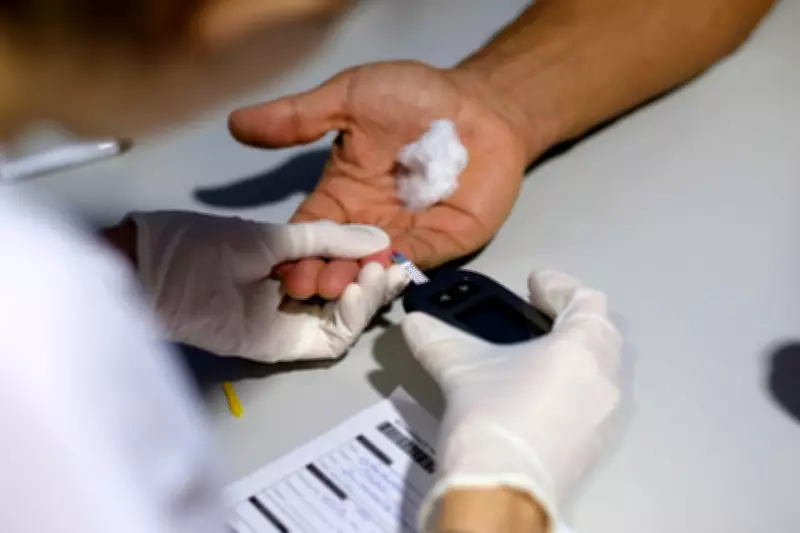
The proposed screening method involves the HbA1c test, a simple finger-prick blood analysis that delivers results in just six minutes. Researchers suggest that offering this test to dental patients who exhibit key risk factors—including advanced age, gum disease (periodontitis), or a high body mass index (BMI)—could help identify a substantial portion of the currently undiagnosed population.
The study examined data from 911 participants in the Oral, Dental and Craniofacial Biobank research who were treated at Guy's Dental Hospital in London. Among these participants, 83 percent had gum disease. Excluding patients with previously diagnosed diabetes, researchers discovered that approximately 35 percent showed indicators of diabetes or prediabetes without any prior awareness of their condition.

Dental Visits as Critical Health Screening Opportunities
In findings published in the British Journal of Surgery, researchers confirmed that "the dental visit could be an important opportunity for early detection of undiagnosed hyperglycaemia." They further advocated for the implementation of "chairside" screening in dental settings to help identify undiagnosed patients.
While the initial study was conducted in a hospital environment, researchers emphasised that the test could be easily adapted for community dental practices, potentially helping to spot patients with, or at risk of developing, type 2 diabetes in more accessible healthcare settings.
Expert Perspectives on the Research Findings
Senior author Professor Luigi Nibali, honorary consultant at Guy's and St Thomas' NHS Foundation Trust and professor of periodontology at King's College London, explained to the Press Association: "We've known for a long time that gum disease, periodontitis, is associated with systemic conditions, comorbidities and particularly with diabetes. And the other thing we know is that often diabetes goes undiagnosed for quite a long time, and patients are not always prompted to have an assessment for diabetes."
Professor Nibali noted that the research team discovered a "strikingly high percentage" of participants had diabetes or prediabetes. He added that if the test revealed elevated blood sugar levels, dental health professionals could then encourage patients to seek a comprehensive medical assessment. "The dental practice could be an important point of contact where the first diagnosis of diabetes is made," he stated.
Regarding prediabetes detection, Professor Nibali emphasised its critical importance: "Prediabetes is also important, because it's a transition phase that then usually leads to diabetes, so identifying people with prediabetes is very important because you can still intervene at that stage before the disease becomes diabetes."
Additional Benefits and Professional Endorsements
Co-author Dr Giuseppe Mainas, specialist periodontist and research associate at King's College London, commented: "The findings suggest that dental visits may offer a valuable opportunity to identify those at risk of diabetes, particularly in older patients, those with higher BMI, and people with gum disease."

First author Professor Mark Ide, professor of periodontology at King's College London, highlighted additional practical benefits: "When the test reveals high levels of HbA1c, patients can then see their GP to investigate further. This is something they might not have done without having the dental screening. Most of the patients in our study were surprised that they had elevated HbA1c levels and had no idea they might have pre-diabetes or diabetes. The other benefit of the HbA1c test is not having to fast, which could increase risk of fainting in the dental chair."
British Dental Association chairman Eddie Crouch offered professional endorsement of the approach: "Chairside tests for chronic diseases are a golden opportunity for patients, that will remain unrealised until we see real commitment to rebuild this service. The Government has worthy ambitions, on shifting from sickness to prevention, from hospital to community. But it needs to value and invest in dentistry to realise them."
This research presents a compelling case for integrating simple diabetes screening into routine dental care, potentially transforming how millions of undiagnosed cases are identified and managed across the UK healthcare system.