In a significant move for representation in the toy aisle, Mattel has unveiled its first-ever autistic Barbie doll. Launched on Monday, this new addition to the Barbie Fashionistas line follows the company's recent release of a doll with type 1 diabetes and forms part of a broader commitment to diversity and inclusion.
Designing for Neurodiversity: A Collaborative Effort
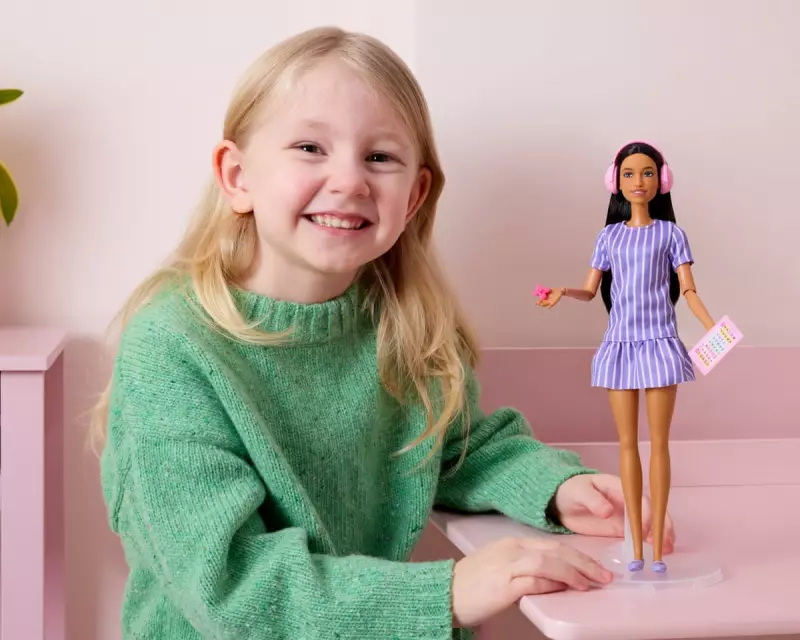
The doll was created in close partnership with the Autistic Self Advocacy Network (ASAN), a leading US charity. The design intentionally reflects various ways autistic children may experience and interact with their environment. The doll's eyes are slightly averted, a nod to how some autistic individuals find direct eye contact challenging. She features fully articulated elbows and wrists, allowing for poses that mimic stimming or hand-flapping—common self-regulatory behaviours.
Key accessories were chosen for their real-world significance. She sports a pink fidget spinner on her finger, a tool often used to manage stress and anxiety. To help reduce sensory overload, she wears pink noise-cancelling headphones. For communication, she carries a tablet screen displaying symbol-based buttons, representing Augmentative and Alternative Communication (AAC) methods.

Fashion and Function for Sensory Needs
Attention was also paid to the doll's clothing to address sensory sensitivities. She wears a loose-fitting, purple pinstripe A-line dress with short sleeves and a flowy skirt, designed to minimise uncomfortable fabric contact with the skin. Her outfit is completed with flat-soled purple shoes to promote stability and ease of movement.
This launch marks a continued shift for the Barbie brand, which introduced its first dolls with disabilities only in 2019. The range now includes dolls who are blind, use wheelchairs, have Down syndrome, prosthetic limbs, vitiligo, and hearing aids. There are also Ken dolls with similar representations.
Industry and Community Reaction
Jamie Cygielman, Global Head of Dolls at Mattel, stated the doll represents the latest expansion of the company's pledge to reflect the world children see. "We hope that by partnering with influential voices within the community, Barbie can continue to showcase a broader range of authentic experiences," she said.
Reaction from autism advocacy groups in the UK has been largely positive. Jolanta Lasota, Chief Executive of Ambitious about Autism, welcomed the move, noting the power of representation. "With girls three times less likely than boys to be diagnosed with autism, this toy also shines a light on the experiences of autistic girls, who often slip under the radar," she said.
Author and neurodiversity advocate Ellie Middleton, who received a late autism diagnosis, highlighted the doll's potential to challenge misconceptions. "She is showing young girls that it is OK to be autistic, it is OK to be different, and it is OK to wear those differences with pride," Middleton remarked.
While Barbie is not the first brand to create an autistic doll—others like Lottie and Lego have similar offerings—its global iconic status gives this launch particular weight in the ongoing effort to normalise neurodiversity and visible supports for children everywhere.