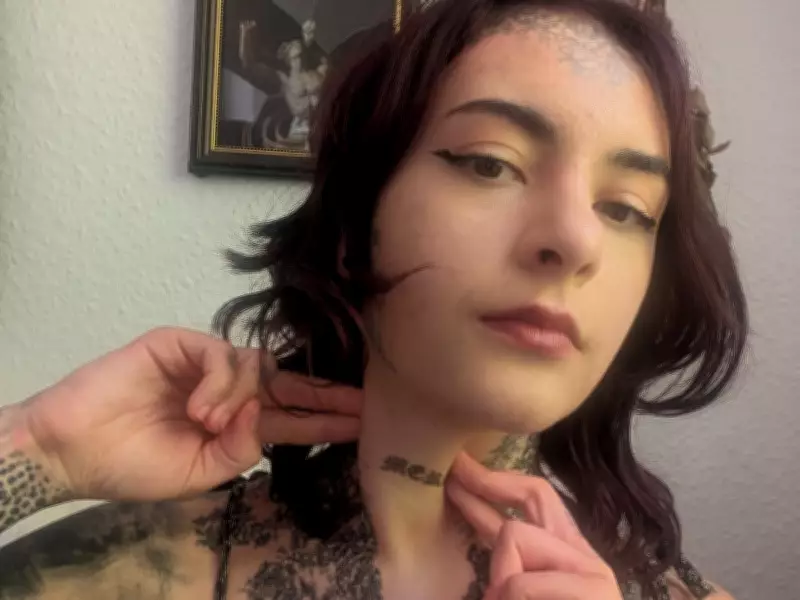
A student whose unusual flexibility and skin-stretching were dismissed as party tricks now faces severe health challenges, including mouth bleeding after speaking for just a few minutes and a complete ban on exercise. Lavender Blackthorne, a 25-year-old music production student from Brighton, has been diagnosed with Ehlers-Danlos syndrome (EDS), a rare inherited condition affecting connective tissue, alongside an unidentified autoimmune disorder.
Early Signs and Diagnosis Journey
Lavender first noticed symptoms at age six when her joints began dislocating and her skin could be stretched up to 10 centimetres. By 12, she bruised easily, and by 14, her legs became twisted and heart palpitations led doctors to restrict her to only walking. Despite suspected EDS, a formal diagnosis was delayed until age 21 due to the possibility that children might outgrow symptoms.
Impact on Daily Life
Simple movements like picking up a hammer would dislocate her wrist, forcing her to drop out of a metalwork degree. She now experiences extreme fatigue, swelling, skin rashes, and mouth bleeding after talking. Doctors have also banned her from exercising beyond walking due to moderate mitral regurgitation, a heart valve condition linked to EDS.

Lavender told PA Real Life: “I did become quite suicidal at a few points, just because sometimes I’d be bedbound for a week or so, and then it felt like all my dreams of having a relationship and a family in the future were falling apart.” She was severely bullied at school for being different, which compounded her struggles.
Current Health and Fundraising
Now, Lavender is fundraising for private medical tests, suspecting additional autoimmune conditions. She often feels depressed and nervous about her unpredictable health. However, returning to university to study music production in 2023 has improved her mental health. She said: “I feel a lot better in myself now. I want others to know it gets better too!”
To support her, a GoFundMe page has been set up. For mental health support, Samaritans can be contacted free, 24/7, on 116 123.