When cooking hollow pasta shapes like orecchiette, preventing them from sticking together requires attention and proper technique. David from Manchester sought advice after spending half an hour separating clumped pasta with his granddaughter. Experts weigh in on the best practices to ensure liberated, non-sticky pasta.
Engage with Your Pasta
Dara Klein of Tiella in east London emphasizes that pasta is an engaged activity. “It’s really important that you don’t just drop it in boiling water and walk away,” she says. “Like a dear friend, pay it some attention.” Orecchiette is particularly vulnerable to clumping, notes Guardian Italian correspondent Rachel Roddy. “They have a habit of falling into each other,” she sympathizes, advising to check basic principles.
Key Rules for Cooking Pasta
Roddy insists the rules are always the same: the water should be fast boiling, add salt, then stir to create a double movement. Neither Roddy nor Klein recommends adding olive oil to the water. “It’s just not necessary,” Klein says. “Even if you’ve added a healthy glug of oil, you’re still going to get clumping if you don’t stir.”

Stirring and Draining Techniques
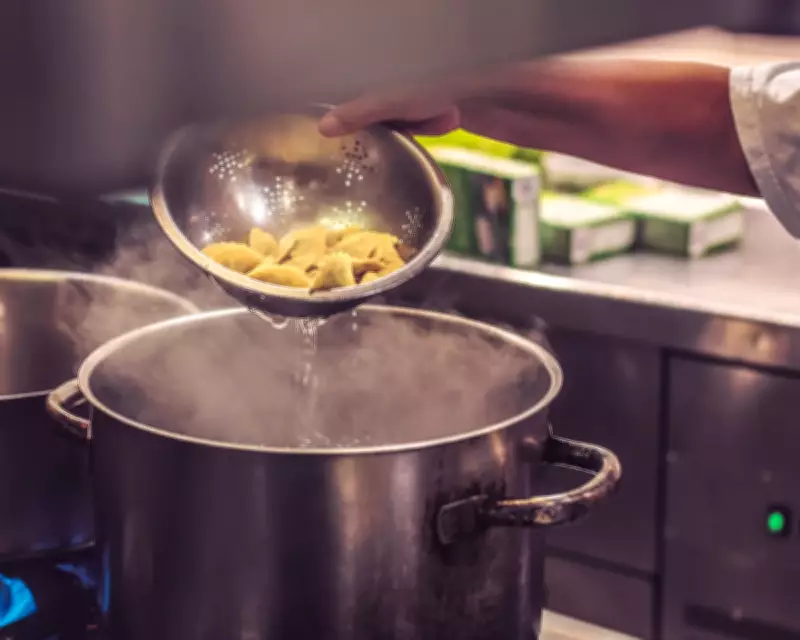
Ensure pasta hasn’t intertwined in the bag before shaking it into rolling water, and avoid dumping it all in at once. “As soon as the pasta is in the water, give it a stir with a wooden spoon,” Klein advises, then stir every minute to keep shapes floating free. Once cooked, scoop out pasta with a slotted spoon or sieve in batches rather than pouring into a colander. “That’s just another opportunity for the pasta to clag because the water goes down the sink, the steam comes up and you glue the pasta together,” Roddy warns. If you must drain, she recommends using two colanders.
Avoiding Clumps in One-Pot Dishes
For one-pot dishes, success comes from adding pasta gradually and keeping things moving. However, Roddy would be wary of using shapes like orecchiette in a one-pan dish because they stick more than others. The starch released into the water acts like glue, causing trouble.
Tips for Pasta Salads
For pasta salads served at room temperature, cook pasta only to just al dente. “Clumping can happen if you take the pasta right up to the maximum cooking time,” Roddy warns. Keeping it harder means less stickiness. Once ready, transfer pasta to a big bowl to avoid a small, claustrophobic space where residual water and starch cause sticking. Movement and space are key.