Couple's £70,000 Fertility Battle Ends with Miracle Baby After Four Devastating Miscarriages
A couple from Essex who invested more than seventy thousand pounds in fertility treatments have finally welcomed their "miracle baby" in their late forties, following four heartbreaking miscarriages and a decade-long struggle. Jessica Peacock, aged forty-seven, had always envisioned having children of her own but was informed she could not conceive naturally due to a critically low egg reserve.
NHS IVF Exclusion Due to Previous Children
Compounding their challenges, Jessica and her husband Ian, forty-nine, were deemed ineligible for IVF treatment on the National Health Service. This decision stemmed from NHS guidelines which state that integrated care boards are not required to fund IVF if either partner has any living children from current or past relationships, irrespective of the child's age or residence status.
"I was absolutely devastated when we discovered we couldn't have children naturally and also didn't qualify for IVF," Jessica, who now works as a fertility mentor, recalled. "It truly is a postcode lottery with IVF access across the country."

Despite Ian's two children from a previous relationship being in their late teens, their care under the Cambridge and Peterborough NHS Foundation Trust meant no public funding was available, forcing them to explore expensive private options.
Years of Emotional and Financial Strain
The couple embarked on their fertility journey, initially undergoing IVF treatments in the United Kingdom before relocating their care to Spain, where regulations allow women to receive treatment until age fifty-one. Their first round of IVF brought temporary joy when Jessica became pregnant.
"When I fell pregnant after that first round, I was over the moon and couldn't believe it had worked," Ms. Peacock shared. "I felt like the happiest, luckiest girl in the world, only to be completely crushed when I miscarried. My dreams were utterly shattered."
Heartbreakingly, Jessica would suffer three additional miscarriages and undergo ten more cycles of IVF before successfully carrying their son, Oliver, now one year old, to term. The emotional toll was immense, compounded by a manual vacuum procedure required after her first miscarriage to remove remaining pregnancy tissue.
Medical Complications and Final Breakthrough
As their savings dwindled after two failed UK cycles, the couple faced further obstacles. Even using a donor egg with Ian's sperm proved unsuccessful, and Jessica received diagnoses of endometriosis and hydrosalpinx, conditions where fallopian tubes become blocked with fluid, further reducing pregnancy chances.
"I told Ian I simply couldn't continue," Jessica admitted after three miscarriages and seven additional IVF rounds. "We had spent all our money trying for a baby, and I was physically, mentally, and emotionally exhausted. Yet, that yearning for a child never disappeared."
In a final attempt, they visited another UK clinic where doctors identified a previously overlooked issue: Jessica's immune system was attacking the embryos. Under careful supervision with a revised treatment plan, the forty-six-year-old successfully carried her last hope embryo to term.
Successful Delivery and Future Hopes
"My anxiety was enormous until about twenty weeks," Jessica remembered. "I focused intensely on nutrition, gut health, daily exercise, and walks. Fortunately, I had a lovely pregnancy with no complications and developed a beautiful little bump."
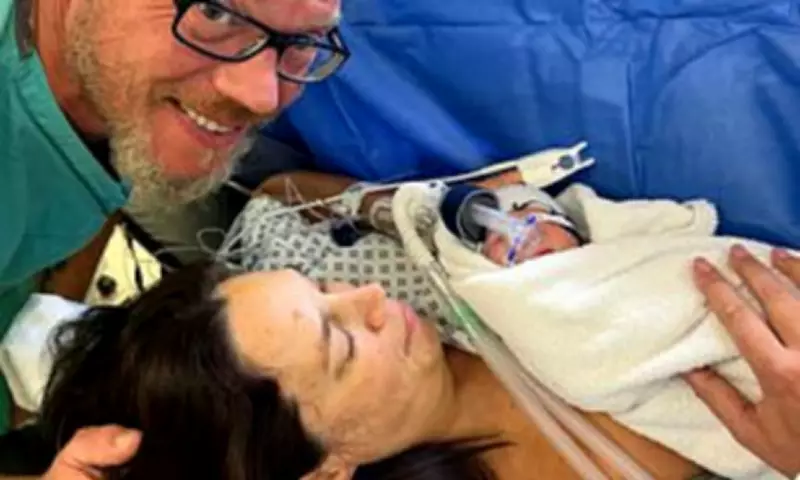
Seven months later, the couple welcomed their son Oliver via caesarean section, transforming their lives completely. "I adore being a new mum in my forties," Jessica expressed. "We've lived full lives, traveled extensively, and enjoyed parties, and now we have our family. I wouldn't change a thing for the world. Oliver is my entire universe."
Remarkably, despite the tremendous physical and emotional strain, the couple are now contemplating trying for another baby in the future.

Broader Fertility Treatment Trends in the UK
This personal story unfolds against a concerning national backdrop. The UK's fertility regulator warned last year that women are beginning IVF treatment increasingly later, with the average age reaching thirty-five for the first time. A Human Fertilisation and Embryology Authority report found women starting fertility treatment are now typically six years older than those having first babies naturally.
This trend, which significantly reduces IVF success rates, has been attributed to lengthy NHS waiting lists, COVID-19 pandemic delays, and the prohibitively high costs of private fertility treatments across the country.