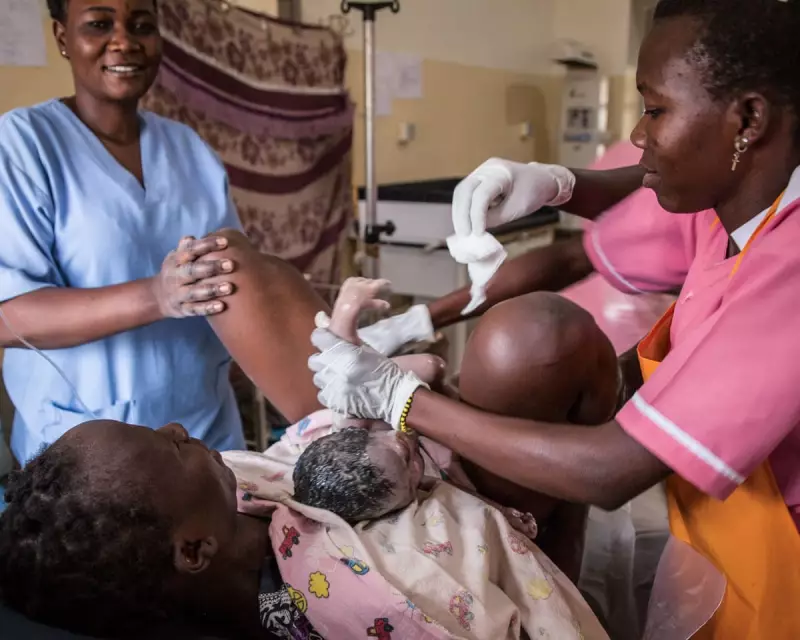
A severe worldwide shortage of midwives is leading to increased medical interventions during childbirth and putting the lives of mothers and babies at risk, according to a stark new report.
A Critical Global Deficit
The research, published in the journal Women and Birth, reveals that the world is facing a shortfall of approximately 980,000 midwives. This massive gap means health systems are operating beyond capacity, leaving countless women without essential care before, during, and after pregnancy.
Anna af Ugglas, Chief Executive of the International Confederation of Midwives (ICM) and a study author, stated that the shortage results in overworked staff and fragmented care. "Intervention rates rise, and women are more likely to experience poor-quality care or mistreatment," she warned, framing the crisis as a critical issue of quality and safety.

Regional Disparities and Systemic Failures
The deficit is not evenly spread. The most acute shortages are concentrated in low and middle-income nations. Africa has only 40% of the midwives it requires, with nine in ten women on the continent living in a country without enough skilled birth attendants. The Eastern Mediterranean region has just 31%, and the Americas only 15%.
Professor Jacqueline Dunkley-Bent, ICM's Chief Midwife and co-author, highlighted a systemic failure beyond mere training. "In many settings, midwives are educated but not absorbed into the workforce or not enabled to practise fully," she explained. This compounds the shortage and denies women access to the vital care midwives are trained to provide.
The Human Cost and Path Forward
The human impact of this shortage is devastating. Previous research indicates that universal access to midwife-led care could prevent two-thirds of maternal and newborn deaths and stillbirths, potentially saving an estimated 4.3 million lives each year by 2035.
Despite some growth in midwife numbers, researchers warn the gap will "persist well into the next decade", missing the 2030 deadline of the UN's Sustainable Development Goals for reducing maternal and child mortality.
The ICM is urging governments to take immediate action to strengthen their midwifery workforces through investment and better employment practices. "When midwifery is a respected and well-supported profession, more women are motivated to train and stay in the workforce," said Anna af Ugglas. "That is how countries improve health outcomes and build stronger, more sustainable health systems."