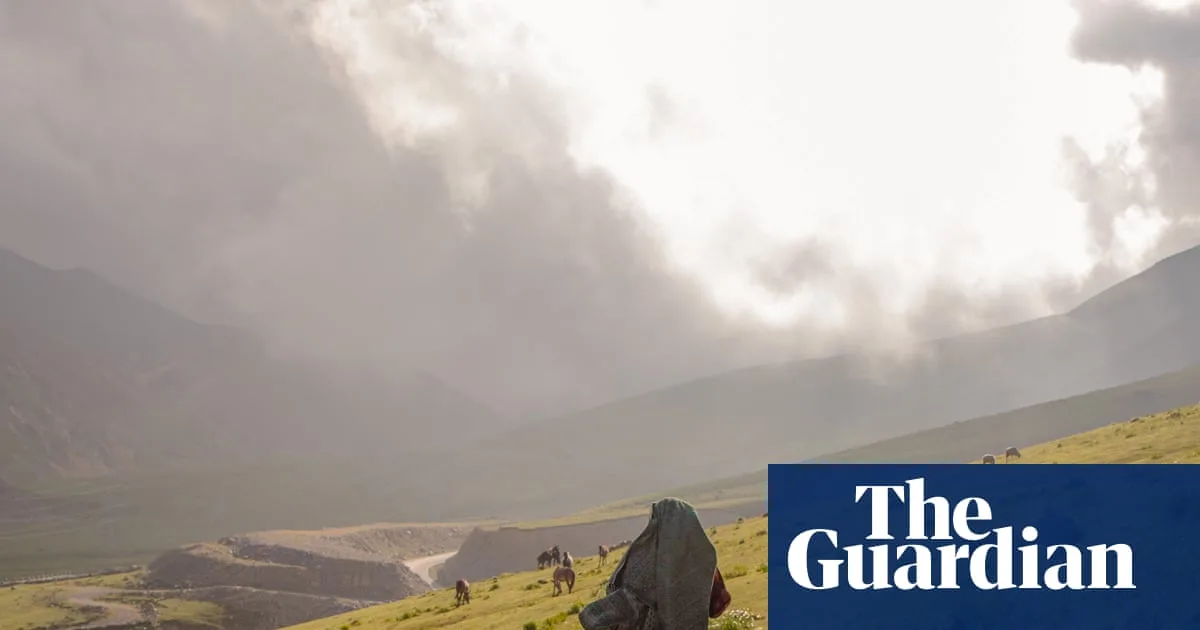
Far from hospitals, nomadic Gujjar women in the Kashmiri mountains routinely give birth alone during seasonal treks, with many dying from preventable complications. The 134-mile journey from Rajouri to higher pastures forces pregnant women to travel on horseback, often going into labour in forests or tents without medical care.
Fatima Deader, 23, gave birth in a damp canvas tent with only her mother and a midwife present. Hours later, still weak and bleeding, she had to ride again with her newborn tied to the horse. 'There was no clinic, no nurse, no doctor,' she said.
Traditional midwife Saira Begum, 63, has delivered dozens of babies along mountain routes. 'Sometimes there is so much blood loss we can't save the mother,' she said. She recalled a woman named Gulnaz who died in 2021 in Doodhpathri, six miles from the nearest hospital, with no food or water left.

Official data shows Jammu and Kashmir's maternal mortality ratio at 46 per 100,000 live births, better than national figures. But public health researcher Dr Mushtaq Wani said these numbers obscure nomadic women's experiences: 'The state's MMR figures come from hospital deliveries. Women on migration routes rarely reach clinics in time, so preventable deaths go unrecorded.'
Local politician Dr Yasin Rather said successive administrations have promised mobile healthcare for Gujjar and Bakarwal women, but support has never materialised. A senior health official admitted staffing, funding and terrain make medical support difficult.
Fozia Choudhary, married at 14, gave birth at 16 after surviving on just milk and roti daily. She required a blood transfusion before delivery. 'They shouted at my husband, asking how I had even survived this long,' she said.