New Mum Accused of Ruining Family Over Daughter's Unusual Welsh Middle Name
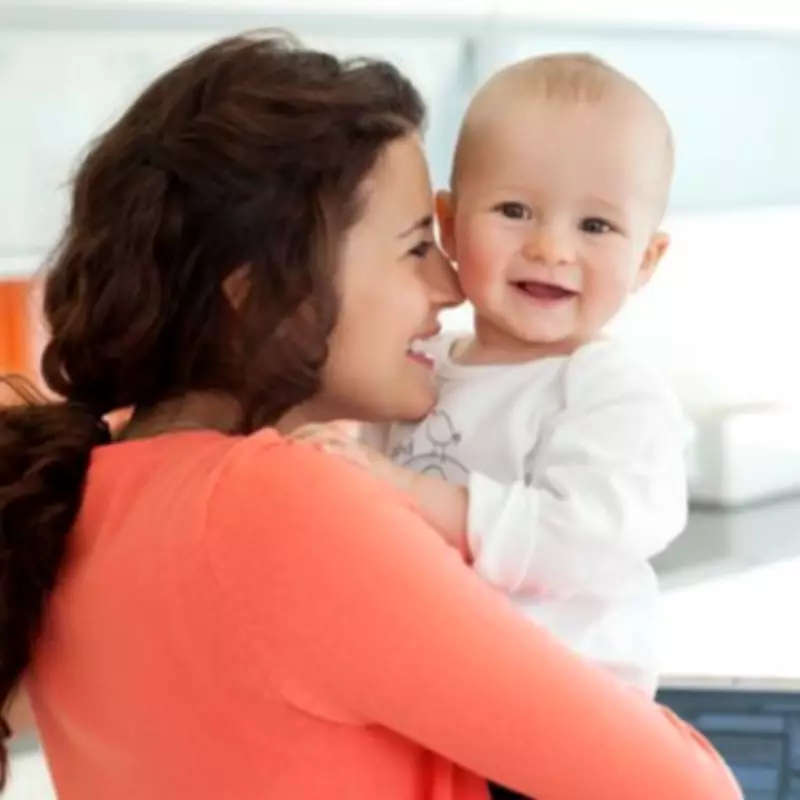
Choosing a baby name is often one of the most stressful decisions for new parents, laden with the pressure of selecting a moniker that will define a child for life. This pressure can intensify dramatically when family members voice strong disapproval, turning a personal choice into a source of conflict. For one American mother, this scenario became painfully real after her own mother accused her of "ruining the family" over the unusual Welsh middle name she selected for her newborn daughter.
A Family Feud Erupts Over Naming Choice
The mother, who shared her story anonymously on Reddit, explained that her daughter's first name is a "classic" English name with standard spelling, chosen by her young son for his baby sister. This first name also honoured a beloved aunt who had passed away from cancer before the baby's birth. Initially, the grandmother had no issue with this choice. However, the situation escalated when the new mother revealed the planned middle name: Eirlys, a Welsh name meaning "snowdrop", symbolising resilience, spring, and hope.
The mother and her husband, who has Welsh heritage, felt the name was particularly fitting. They experienced one of the snowiest winters on record, followed by a warm period after the birth that melted the remaining ice, mirroring the snowdrop's association with renewal. Despite their thoughtful reasoning, the grandmother reacted with fury upon hearing the name, calling it "stupid" and alleging it had "ruined the name of her sister". The conversation ended abruptly when the new mother hung up the phone, overwhelmed by the harsh criticism.

Apology Follows But Doubts Linger
Although the grandmother later apologised, attributing her outburst to being "taken aback" and acknowledging they simply have "different tastes in names", the damage was done. The new mother was left questioning her decision, worried she might have burdened her daughter with a middle name that could be difficult for Americans to pronounce. She expressed her concerns online, asking: "Since it's a middle name, are we really doing her a disservice? Did we burden our daughter by picking a rare, non-English middle name?"
This internal conflict highlights a common parental dilemma: balancing personal meaning with practical considerations, especially when cultural or linguistic differences are involved. The mother's hesitation stems from a desire to protect her child from potential teasing or misunderstandings, yet she also values honouring her husband's Welsh roots and the symbolic significance of the name.
Online Community Rallies in Support
Commenters on the Reddit post overwhelmingly defended the mother's choice, emphasising that Welsh names are beautiful and culturally valid. One user pointed out the irony: "I love the way an English name is so lovely and normal, but a Welsh name is foreign, despite the countries being next to each other and having a lot of shared heritage. Wales isn't Narnia, Wonderland, or Hobbiton." This sentiment underscores a broader issue of cultural perception, where names from neighbouring regions can be unfairly stigmatised.
Others shared personal anecdotes to reassure the mother. A commenter noted: "I'm American, and our daughter's middle name is Aisling. People generally have no idea how to pronounce it, but no one ever uses it except us. She's grown, and I can safely say no one has ever ever even talked about it." Another added: "My nephew's middle name is Alyosha, taken from a book. They got so much pushback that my sister-in-law almost didn't use it. He's 27 now, and no one cares any more." These examples suggest that initial family resistance often fades over time, with middle names rarely impacting daily life.

The Broader Implications of Naming Conflicts
This incident reflects a wider trend where baby naming becomes a battleground for family dynamics and cultural identity. Many parents opt to keep names secret until birth to avoid judgment, as critics are less likely to voice negativity once the choice is final. However, as this mother discovered, even post-birth revelations can spark intense reactions, particularly when names deviate from familial or societal norms.
Ultimately, the story serves as a reminder that naming a child is a deeply personal decision, often intertwined with heritage, symbolism, and love. While family opinions can be influential, the parents' connection to the name and its meaning typically holds greater weight in the long term. As the online community affirmed, embracing unique or culturally significant names can be a celebration of diversity rather than a burden, enriching a child's identity without compromising their future.