Navigating Infertility Conversations: The Search for the Right Words
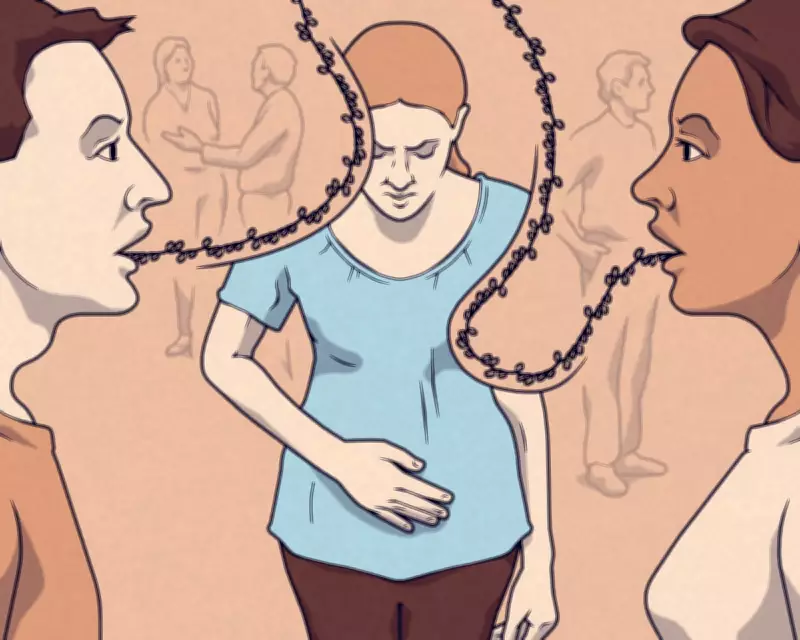
Infertility remains one of the most difficult topics to discuss openly, even in today's society. Nuala McGovern, presenter of BBC Radio 4's Woman's Hour, draws from her personal experiences with miscarriage and unsuccessful IVF rounds to shed light on this sensitive issue. She emphasizes that while some conversations are effortless, infertility often leaves people struggling to find the appropriate words, leading to misunderstandings and increased loneliness for those affected.
The Challenges of Discussing Infertility
McGovern points out that society often assumes motherhood as a natural progression, making the absence of children an uncomfortable subject for many. This discomfort frequently results in language that is unhelpful or even hurtful. According to NHS statistics, approximately one in seven couples may face fertility problems, underscoring the need for improved dialogue. McGovern herself initially aimed to be open about her struggles but quickly retreated due to the exhausting and invasive nature of others' questions, which sometimes felt like a judgmental scoreboard of grief.
Personal Experiences and Missteps
She recounts several instances where well-intentioned comments missed the mark. For example, an acquaintance once offered condolences at a buffet, saying, "Sorry about your miscarriage, I’m sure it’ll happen," which left her feeling exposed and discussed behind her back. Similarly, phrases like "I’m sure it will happen" or "maybe it’s just not meant to be" often minimized her pain, whereas a simple "I’m sorry" would have sufficed. McGovern acknowledges the difficulty in knowing what to say, as she herself craved both realism and sensitivity from others.

The Impact of Words and Statistics
During an embryo transfer, a friend reminded her that the cells might not amount to anything, which felt like a physical blow after months of emotional and physical endurance. While statistically accurate—with the Human Fertilisation and Embryology Authority reporting a 25% average IVF birthrate for fresh embryo transfers—such truths can be harsh when not delivered with care. McGovern stresses that timing and empathy are crucial, as infertility is a deeply personal journey that varies for each individual.
Examples of Empathetic Communication
Not all interactions were negative. McGovern highlights a couple who thoughtfully shared their pregnancy news in a quiet, face-to-face moment, acknowledging that their happiness might cause pain. This act of consideration felt like love. Additionally, an IVF clinic receptionist offered comforting words, saying, "You are enough without a baby," which provided solace on a difficult day. These examples show that fewer platitudes, less certainty, and more listening can make a significant difference.
Moving Towards Better Conversations
McGovern concludes by emphasizing that infertility is common, but finding the right words at the right time is rare. By sharing her story and exploring the complex emotions and language surrounding fertility issues, she hopes to foster a more supportive environment. Her goal is to help people show up for one another, navigating what helps and what doesn't when a baby isn't a given. As she continues to discuss these topics on her podcasts, including The Woman’s Hour Guide to Life, she advocates for greater empathy and understanding in all conversations about infertility.