Private Maternity Scandal Exposed as Regulatory Gaps Endanger Infants
A distressing investigation has uncovered a burgeoning and largely unregulated private maternity industry in the United Kingdom, where profit-driven practices are placing vulnerable mothers and babies at grave risk. From high-street scan clinics failing to detect severe abnormalities to under-qualified doulas interfering with labour, the sector operates in a regulatory vacuum, with devastating consequences for families.
Charlotte Tolley's Heartbreaking Ordeal
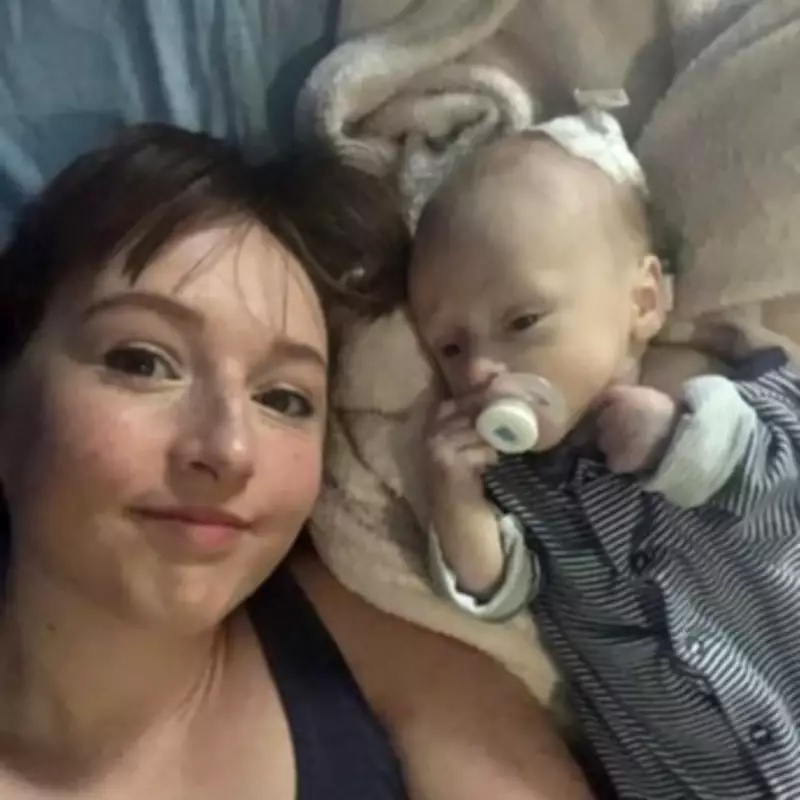
Charlotte Tolley, a 36-year-old single mother of three, experienced this failure firsthand. After suffering a miscarriage, she opted for private ultrasound scans to avoid the trauma of an NHS room associated with her loss. At a private clinic, sonographers assured her that her unborn son, Lucas, was healthy. However, after his birth, it became apparent that something was critically wrong.
"He was chronically dehydrated, he was yellow, he had mottled skin, his head was bigger than his body," Charlotte recounted. Rushed to hospital, a cranial ultrasound revealed the shocking truth: Lucas was born with half of his brain missing. An MRI later confirmed the condition, which was visibly apparent on the earlier private scans. Experts subsequently reviewed these images and confirmed the abnormality was unmistakable.

Charlotte believes the sonographer either lacked proper qualifications or was instructed not to disclose findings, citing BBC reports of such practices in private clinics. She reached an out-of-court settlement with the clinic but remains haunted by the lost opportunity for informed choice. "If the abnormality had been reported, I would have been sent back to the NHS for a pregnancy-safe MRI and given the option to terminate," she explained, noting the immense care Lucas now requires due to cerebral palsy, epilepsy, and blindness.
The Dangers of Unregulated Sonography and Doulas
The case highlights a systemic issue: in the UK, anyone with an ultrasound machine can call themselves a sonographer, as the profession is not regulated. Elaine Brooks, a former hospital sonographer, shared alarming anecdotes, including a woman nearly undergoing an induced miscarriage based on a private clinic's misdiagnosis of a blood clot as a malformed fetus.
Similarly, the role of doulas—birthing assistants—remains unregulated, with coroners warning of fatal outcomes. In one tragic instance, a doula's presence during a home birth delayed hospital transfer despite signs of foetal distress, contributing to a newborn's brain injury and death. Katie Vale, a mother who hired a doula during the COVID-19 pandemic, described feeling pressured to refuse medical intervention, which added anxiety during her emergency C-section.
Doula UK defends its members, emphasizing training and a code of conduct, but calls for regulation persist. The Maternity and Newborn Safety Investigations has linked doulas to poor outcomes in multiple cases, noting instances where their advice directly conflicted with medical guidance.
Night Nurses and Sleep Safety Risks
The risks extend beyond pregnancy and birth. Unregulated maternity nurses, often with minimal training, have been implicated in infant deaths. An inquest revealed that a four-month-old baby, grandson of football manager Steve Bruce, died after being placed in an unsafe sleeping position by a nurse from an unregulated service. The nurse had advised stomach sleeping, contrary to NHS safe sleep guidelines, based on her personal experience rather than medical qualifications.
Senior coroner Alison Mutch has issued a prevention of future deaths report, urging the Secretary of State for Health to implement regulation. Kate Marsh of Tommy's charity expressed sympathy for affected families, underscoring the need for stricter oversight.
Campaign for Change and Industry Accountability
Charlotte Tolley has launched a petition to make sonography a regulated profession, advocating for greater transparency and safety standards. "These clinics are money-hungry vultures," she asserted, urging parents to avoid private scans and demand accountability.

Amy Heath, a medical negligence lawyer who represented Charlotte, warned that private clinics often operate as profit-driven enterprises, with the NHS left to "mop up" their errors. "It's preying on people at their most vulnerable," she noted, highlighting a growing mistrust in NHS maternity services that fuels reliance on unregulated alternatives.
While some mothers, like nutritionist Hanieh Vidmar, turn to private care due to NHS waiting times and resource strains, the investigation underscores a critical need for reform. As grieving families call for an end to legal loopholes, the message is clear: in the private maternity market, qualification does not guarantee safety, and urgent regulatory action is imperative to protect future generations.