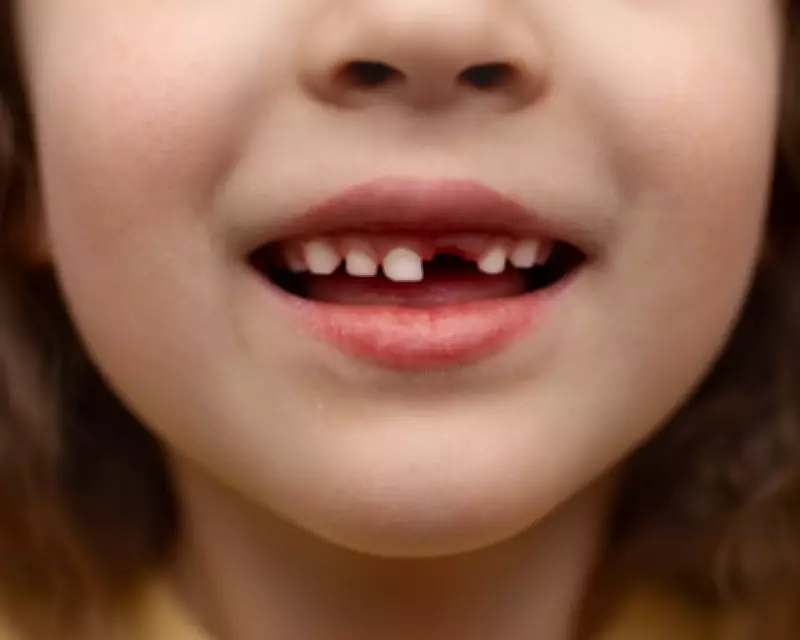
In a heartfelt exploration of parenting, Anthony N Castle delves into the seemingly absurd yet profoundly meaningful ritual of the tooth fairy. He begins by describing a moment with his daughter at a parade, lifting her high to see the spectacle, only to be struck by the beauty of her smile from below. This idyllic scene shifts the next morning when she appears with a blood-streaked mouth and a gap from her first lost tooth, sparking a mix of celebration and introspection.
The Ridiculous and the Sacred
Castle questions the tooth fairy tradition, noting its ludicrous aspects: invoking night imps and exchanging cash for body parts. Some parents hoard teeth in tins or wear them as necklaces, while critics decry it as unethical lying or a capitalist commodification of workers' bodies. However, Castle points out that rituals often blend the superstitious with the sacred, serving a deeper purpose beyond mere fantasy.
Historical and Cultural Variations
The tradition has roots stretching back centuries with global variations. In France, Belgium, and Spain, a mouse collects the teeth, while in other cultures, teeth are thrown atop houses for birds or mythical figures like "Mary-in-the-roof." In parts of the Middle East and Asia, teeth are offered to saints or gods, cast towards the sky. The modern tooth fairy was invented by a playwright a century ago, yet the universal instinct to treat fallen teeth as sacred persists.

Psychological Insights
Psychologists affirm that imaginary friends and worlds are healthy for children, typically fading around age seven. The line between fact and pretend is often blurred in childhood, and rituals like the tooth fairy can foster creativity. Research shows children might learn to lie from parents, but Castle argues that such traditions are more about nurturing imagination than deception.
Parental Emotions and Reflections
As Castle places his daughter's tooth under her pillow, he grapples with emotions often mistaken for grief. He realizes it's not sorrow for a lost child but remorse for missing fleeting moments. His daughter was born during a pandemic, started kindergarten amid a cost-of-living crisis, and faced family diagnoses and deaths, making him acutely aware of time's rapid passage.
A Child's Perspective
When asked about the ritual, his daughter, already aware parents are behind it, simply says it's "to make joy." Castle reflects that she isn't a perfect angel but a human child—screaming, crafting, and giving herself wonky haircuts before important events. Her growth, like all things, is part of life's beauty.
The Need for Rituals
Castle concludes that while the tooth fairy is ridiculous, all rituals share this quality, and the superstitious often mirrors the sacred. Children, with their small teeth and big imaginations, outgrow both but need rituals along the way. He suggests parents might need them too, not as funerals for lost innocence but as celebrations of ongoing growth.
Years pass like a parade, moving quickly, but Castle chooses to lift memories of his daughter's joy as offerings to whatever lies above. By exchanging remorse for anticipation, he embraces the ritual of watching her smile, affirming that he isn't missing a thing in her journey of change.