Amid ongoing political turbulence, particularly following last week's local election results and scrutiny of figures like Sir Keir Starmer, many Britons may be experiencing heightened unease. Dr Chetna Kang, a consultant psychiatrist at Central Health London, has outlined six key indicators of political anxiety and provided practical advice for managing it.
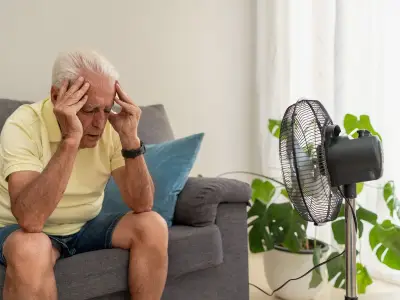
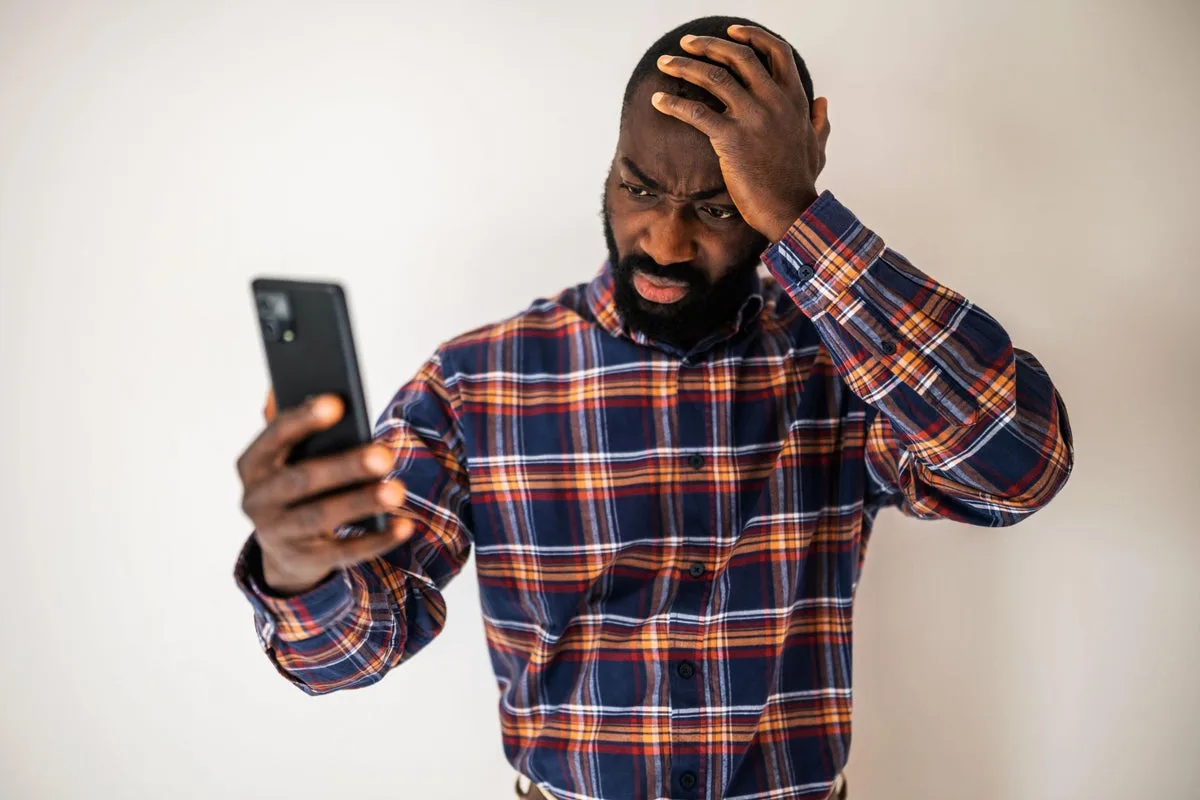
Dr Kang explains that political anxiety exists on a spectrum, from general worry to more severe symptoms resembling panic disorder or PTSD. She notes that while political anxiety is not a formal diagnosis, it involves excessive worry specifically tied to the political climate. Common signs include pervasive thoughts about political concerns, feelings of helplessness, irritability, sleep disturbances, and physical symptoms like headaches.
To cope, Dr Kang recommends focusing on areas within one's control to combat helplessness, engaging in physical exercise to release tension and stay present, and limiting 'doomscrolling' by reclaiming short breaks from news. Grounding techniques, such as the 5-4-3-2-1 sensory exercise, can help bring attention back to the body.

She also advises confiding in a trusted person, maintaining a screen-free hour before bed with calming activities, and seeking professional help if symptoms persist for weeks. 'Start by going to your GP,' she suggests, emphasising that early intervention can prevent escalation.