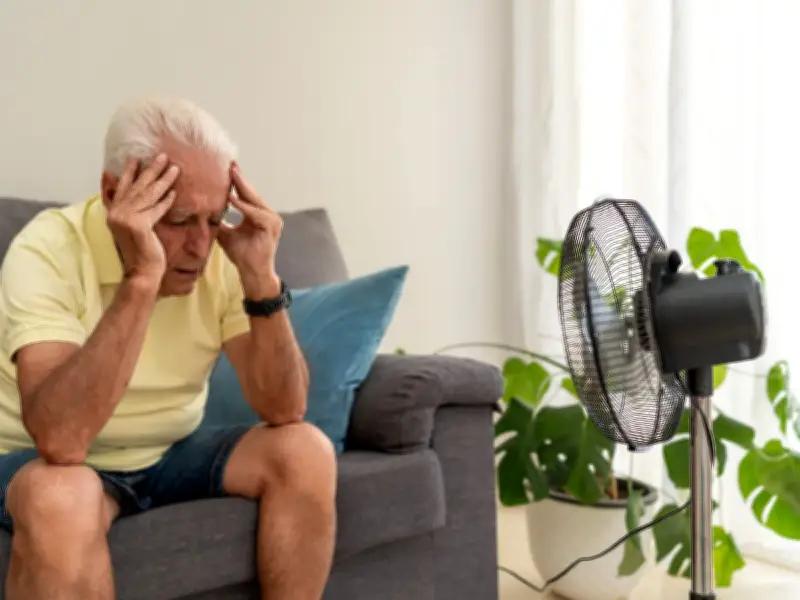
Public Health Wales has issued an urgent alert on X, urging people to call 999 immediately if they notice someone exhibiting five specific symptoms of heatstroke. The warning comes as the Met Office maintains several weather warnings across Wales, with extreme temperatures posing a serious health risk.
Five Symptoms of Heatstroke
The five symptoms to watch for are severe headache, confusion, rapid breathing, a high body temperature, and hot skin that may stop sweating. Heatstroke is a medical emergency that occurs when the body's core temperature rises to dangerous levels, potentially causing organ damage, heart failure, and affecting brain function. According to Public Health Wales, heatstroke can develop in as little as 10 minutes in extreme temperatures.
From Heat Exhaustion to Heatstroke
Heatstroke often begins with heat exhaustion, which the NHS says can usually be treated without medical help if you cool down within 30 minutes. However, if you remain in a hot environment or do not feel better after 30 minutes of cooling efforts, heat exhaustion can progress to heatstroke. The body's natural cooling mechanisms include sweating and vasodilation, but in humid or extremely hot conditions, these may fail. Vasodilation widens blood vessels near the skin, redistributing hot blood from the core, which can strain the heart, cause blood pressure drops, and lead to dizziness, confusion, or fainting.

What to Do in an Emergency
If you suspect someone has heatstroke, call 999 immediately. While waiting for help, the NHS recommends: wrapping the person in a cool, wet sheet; fanning them; sponging them down with cold water; placing them in the recovery position if they lose consciousness; checking their breathing and pulse; and performing CPR if they show no signs of life. Emergency medical care may include cooling blankets and intravenous fluids.
Prevention Tips
The NHS advises the following to prevent heat exhaustion or heatstroke: drink more cold drinks, especially if active or exercising; wear light-colored, loose clothing; avoid the sun between 11am and 3pm; avoid excessive alcohol; avoid extreme exercise; and if indoors on a hot day, close curtains, close windows if it's hotter outside than inside, and turn off electrical equipment and lights that generate heat.