Dr Amir Khan, a well-known GP and ITV personality, has shared a personal mental health revelation with his Instagram followers, stating he has diagnosed himself with a “full-blown case” of anticipatory anxiety. In a video posted to the platform, he asked his audience, “Does anyone else have this?” and detailed how the condition affects his daily life.
What Is Anticipatory Anxiety?
Anticipatory anxiety is a recognized symptom commonly associated with anxiety disorders, including generalized anxiety disorder. According to Anxiety UK, it involves experiencing increased anxiety when thinking about a future event or situation, often leading to catastrophic predictions. Dr Khan explained that his brain prepares for the “worst case scenario” that typically does not materialize. He described rehearsing multiple conversations in his head, imagining negative responses, and crafting perfect comebacks—only to find the actual interaction is brief and pleasant.
Dr Khan’s Personal Experience
In the video, Dr Khan said: “I've diagnosed myself with something called anticipatory anxiety and I need to know if anyone else has this.” He elaborated on how his brain replays conversations up to 47 times, preparing for imagined disasters. “By the time I've finished, I’ve won an argument that never actually happened,” he added. He noted that while his brain’s threat system tries to protect him by catastrophizing, most of the imagined disasters never occur. “All that's really happened is I put myself through stress, once in my imagination and then once again in real life, except the real life version usually turns out absolutely fine,” he said.

Public Response and Support
Dr Khan’s followers responded with overwhelming support. One commented: “Omg Amir this is me! I drive myself mad doing it. Glad I’m not alone. Thanks.” Another wrote: “Yes! Amir you most definitely are not alone, this is so me.” A third user added: “I do this too, it can be exhausting.” The comments highlight how common anticipatory anxiety is among the public.
Recognized Symptoms and NHS Guidance
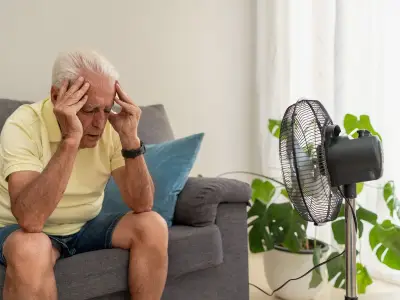
The NHS lists common symptoms of general anxiety, which can overlap with anticipatory anxiety, including feeling tired, restless, or irritable; feeling shaky or dizzy; sweating more; difficulty concentrating; trouble sleeping; and physical symptoms like headaches, tummy aches, or dry mouth. It advises that if someone cannot tell if shortness of breath is from anxiety or if they are worried about other symptoms, they should see a GP. Anxiety UK notes that anticipatory anxiety can be “extremely draining” and may last for months before an event.
Seeking Help
Dr Khan’s candid discussion encourages others to recognize similar patterns and seek support if needed. The NHS recommends speaking to a GP if anxiety symptoms are concerning. By sharing his experience, Dr Khan has helped destigmatize mental health struggles and foster a sense of community among those affected.