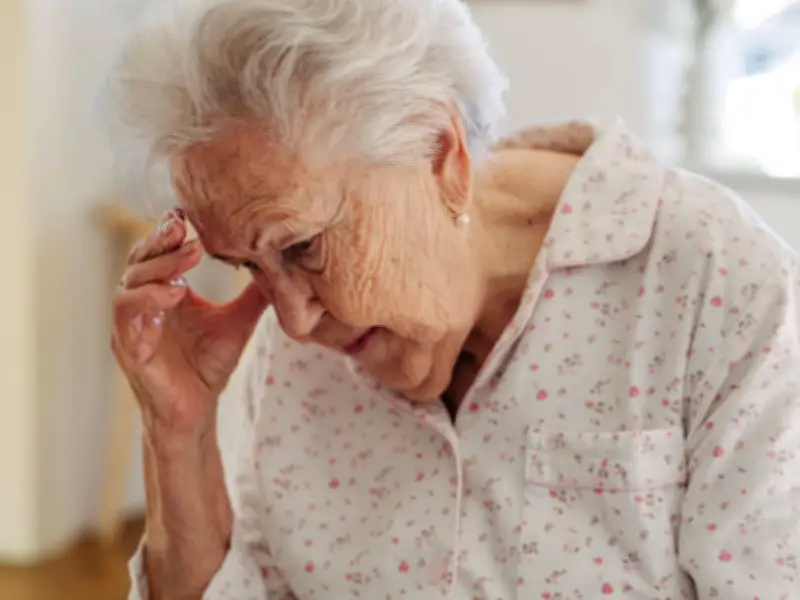
A healthcare researcher has shared how one common hobby, knitting, could reduce the risk of developing dementia by up to 50%, while also providing numerous other health benefits. Dementia, an umbrella term for cognitive decline severe enough to interfere with daily life, is not a single disease but a syndrome caused by conditions that damage the brain. While there is no guaranteed prevention, health experts estimate that up to 45% of global dementia cases could be postponed or avoided through lifestyle adjustments.
The Science Behind Knitting and Dementia
Neil K. Shah, a healthcare researcher specializing in elderly care and known as 'America's chief elder officer,' highlighted knitting's benefits in a TikTok video. He is a National Institutes of Health-funded Principal Investigator on the YayaGuide AI for Dementia Caregiver Training project at Johns Hopkins University. According to Shah, a Mayo Clinic study found that knitters and crafters were 30 to 50% less likely to develop mild cognitive impairment, a precursor to dementia. “Knitting forces both hands into coordinated, complex movement, building what scientists call a cognitive reserve,” Shah explained. “The logical side counts stitches, the creative side reads the pattern.”
Additional Health Benefits of Knitting
Beyond dementia prevention, knitting offers several other advantages. Shah noted that knitting can 'kill pain' by flooding the brain with signals that crowd out pain perception. “Pain isn't just made in your knee, it's made in your brain. UK pain clinics now prescribe knitting,” he said. Knitting also acts as a powerful antidepressant. A survey of 3,500 knitters revealed that 81% of those with clinical depression felt happier after knitting, with over half describing themselves as 'very happy.' “Finishing even a few rows triggers dopamine. Your brain rewards you for making something with your hands,” Shah explained.

Knitting as a Relaxation Tool
The repetitive rhythm of knitting activates a calming response similar to meditation, reducing heart rate and cortisol levels. “Heart rate drops, cortisol drops. But unlike meditation, you end up holding a scarf,” Shah said. Knitting is also portable and can be practiced into extreme old age, fighting loneliness—which itself raises dementia risk by up to 40%. “Knitting is not just a grandma hobby. It's a prescription you can hold,” Shah concluded.