Michigan Youth Mental Health Crisis Forces Teens to Seek Treatment Out of State
Many Michigan teenagers experiencing severe mental health crises are being sent far from their homes to receive treatment, a distressing trend driven by a critical lack of local resources and the closure of in-state facilities. This situation leaves families grappling with emotional and financial burdens while their children endure isolation and uncertainty.
Escalating Out-of-State Placements
State reports reveal a sharp increase in out-of-state placements for youth in Michigan's direct-placement program. As of September, 152 young people were living in facilities outside Michigan, some as distant as Hawaii and Arizona. This marks a significant rise from 122 children in 2024 and more than double the 74 children recorded in 2023.
For families like the Middlins, who paid out-of-pocket for their daughter Eleanor's treatment at a Missouri boarding school, the experience is both lifesaving and traumatic. "I'm alive because of it, and I will never be able to forget it," said Eleanor, now 20, reflecting on her 11-hour journey from her mid-Michigan home.

Systemic Failures and Parental Anguish
Parents describe a system that consistently fails children with complex psychological disorders. Laura Marshall of Cedar Springs, whose son was sent to a Wyoming facility through court order, likened the process to "throwing them to the wolves." The extreme distance complicates visits and limits contact, potentially hindering recovery and exacerbating trauma.
Compounding these challenges are widespread concerns about abuse and staff misconduct at youth treatment facilities. "You're shipping your kid, in some cases, across the country," Marshall noted. "There really isn't any way as a parent to be able to vet what's really going on."
Financial and Capacity Crises
The financial toll is staggering for both families and the state. Jennifer Middlin estimates her family spent $90,000 on her daughter's treatment, with insurance offering little coverage. Meanwhile, Michigan paid over $13 million last fiscal year for out-of-state care, up from $9.7 million the previous year.
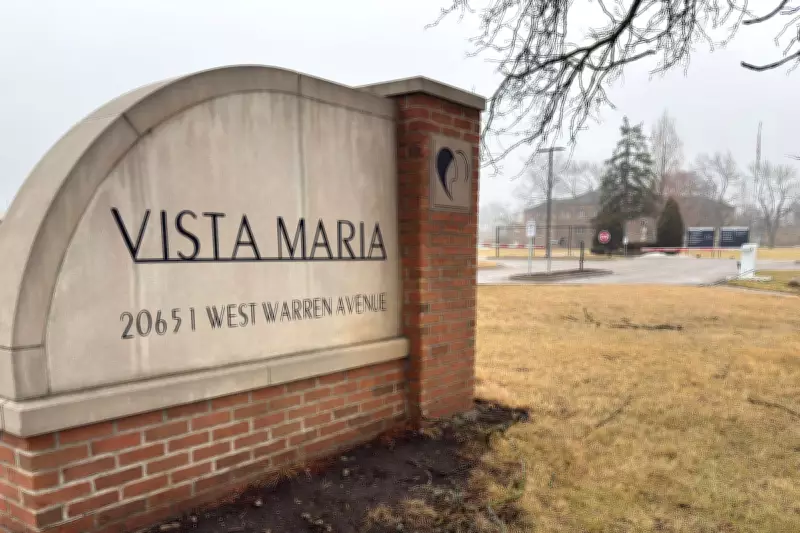
Capacity has plummeted dramatically. Since the pandemic, the number of available beds in child caring institutions has dropped from about 1,200 to fewer than 400. Several key facilities, including the Shawono Center and Vista Maria, have closed, creating what experts call a "perfect storm" for the current crisis.
Regulatory Pressures and Staffing Challenges
New state regulations, implemented after the 2022 death of 16-year-old Cornelius Fredrick at Lakeside Academy, have pressured facilities to reduce restraints and seclusions. While intended to enhance safety, these rules have made it harder for agencies to accept children with severe behavioral issues.
Staffing shortages have reached critical levels. Kathy Regan, former CEO of Vista Maria, cited insurance providers dropping coverage due to severe staff injuries. "I can't keep staff safe," she explained. "They're getting their asses handed to them."
Political and Systemic Roadblocks
Lawmakers acknowledge the systemic problems but see limited immediate solutions. State Rep. John Roth highlighted liability concerns: "If that kid gets seriously injured in an out-of-state facility, is it the state that they went to's problem now?"
With Governor Gretchen Whitmer's term ending, substantive changes appear unlikely this year. However, advocates hope that increased public investment and trauma-informed approaches could eventually expand specialized bed capacity and improve care.
Voices of Hope and Resilience
Despite the challenges, families find strength in community. Rachel Cuschieri-Murray of Advocates for Mental Health of MI Youth emphasized that "the more connected you are, the more success you're going to have in navigating the system."
For Eleanor Middlin, sharing her story is about reducing stigma. "I'm more just hoping that maybe the one person who needs it ... maybe they understand it. Maybe they feel a little bit less alone about that."

As Michigan struggles to address this deepening crisis, the urgent need for sustainable, accessible mental health care for its youth remains clear, with families continuing to navigate a fragmented system in search of hope and healing.