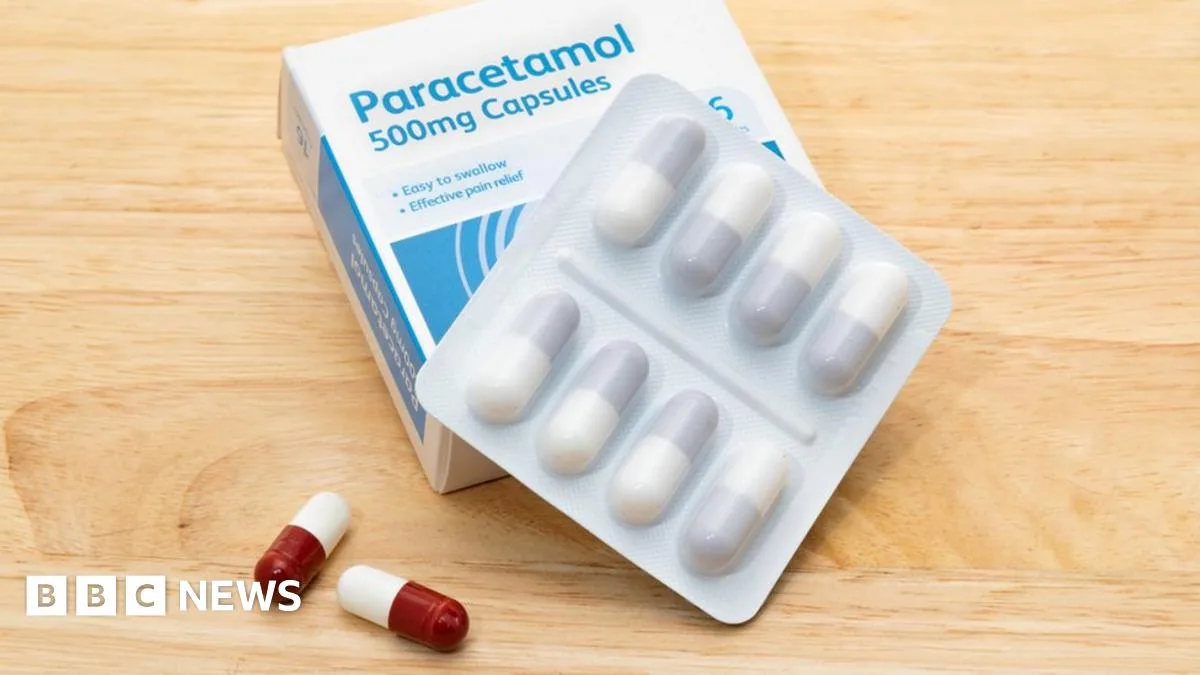
A new study from the University of Edinburgh suggests that people with high blood pressure who take paracetamol on a long-term prescription could be increasing their risk of heart attacks and strokes. The research, published in the journal Circulation, tracked 110 volunteers, two-thirds of whom were on medication for hypertension.
Participants were given 1g of paracetamol four times daily for two weeks, a common dose for chronic pain, followed by a placebo for another two weeks. The results showed that paracetamol raised blood pressure significantly more than the placebo. Lead investigator Dr Iain MacIntyre stressed that short-term use for headaches or fevers remains safe.
Professor James Dear, a clinical pharmacologist at Edinburgh, noted that blood pressure is a key risk factor for cardiovascular events. The researchers advise doctors to start chronic pain patients on the lowest possible dose and monitor those with high blood pressure closely.

Versus Arthritis, a UK charity, called for safer pain treatments and better support for patients. Dr Benjamin Ellis, a consultant rheumatologist, urged patients concerned about painkiller risks to consult healthcare professionals.
However, some experts urge caution. Dr Dipender Gill from St George's, University of London, said the study found a small but meaningful increase in blood pressure in a white Scottish population, but many unknowns remain, including whether the effect is sustained long-term and whether it translates to increased cardiovascular risk.
The British Heart Foundation, which funded the study, recommended that doctors and patients regularly review the need for any medication, even paracetamol. The Stroke Association called for further research over a longer timeframe to confirm the risks and benefits.