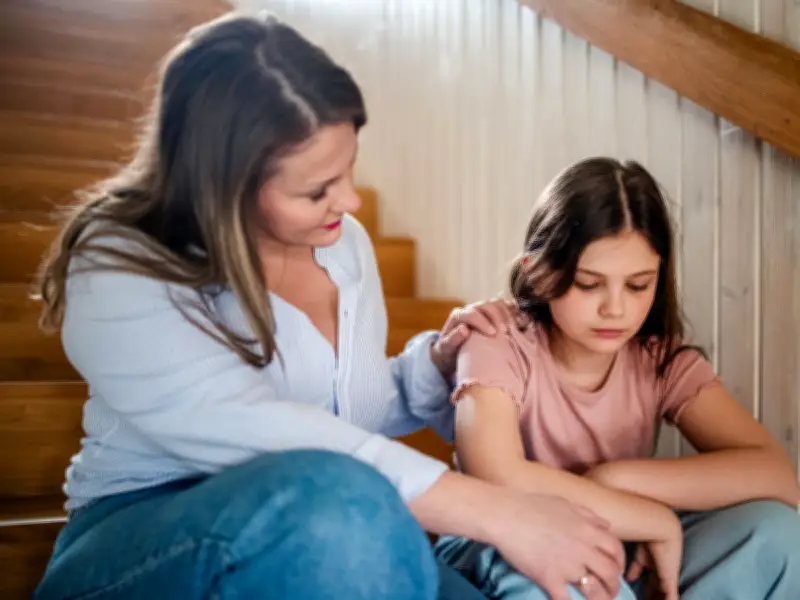
A leading psychiatrist has issued a stark warning to parents, highlighting the detrimental impact their own untreated anxiety can have on their children's mental well-being. Dr. Jane Smith, a consultant child and adolescent psychiatrist at the Maudsley Hospital in London, emphasised that parental anxiety, if left unaddressed, can significantly increase the risk of children developing similar mental health problems.
Parental Anxiety as a Risk Factor
According to Dr. Smith, children of parents with anxiety disorders are up to seven times more likely to develop anxiety themselves. This statistic underscores the critical need for parents to seek help for their own mental health issues. "Parents often focus on their children's well-being, but they forget that their own mental state plays a crucial role in shaping their child's emotional development," she said.
The Mechanism of Transmission
The psychiatrist explained that anxiety can be transmitted from parent to child through both genetic and environmental factors. Children may model their parents' anxious behaviours, such as avoidance or excessive worry, and may also be exposed to a home environment characterised by heightened stress. "Children are highly perceptive and can pick up on their parents' anxieties, even if they are not explicitly discussed," Dr. Smith added.

Long-Term Consequences
Untreated parental anxiety can lead to long-term consequences for children, including poor academic performance, social difficulties, and an increased risk of developing depression and other mental health disorders later in life. The psychiatrist stressed that early intervention is key to breaking this cycle.
Recommendations for Parents
Dr. Smith urged parents to prioritise their own mental health and seek professional help if they are experiencing symptoms of anxiety. She also recommended that parents practice open communication with their children about emotions and model healthy coping strategies. "By taking care of their own mental health, parents can create a more stable and supportive environment for their children," she concluded.