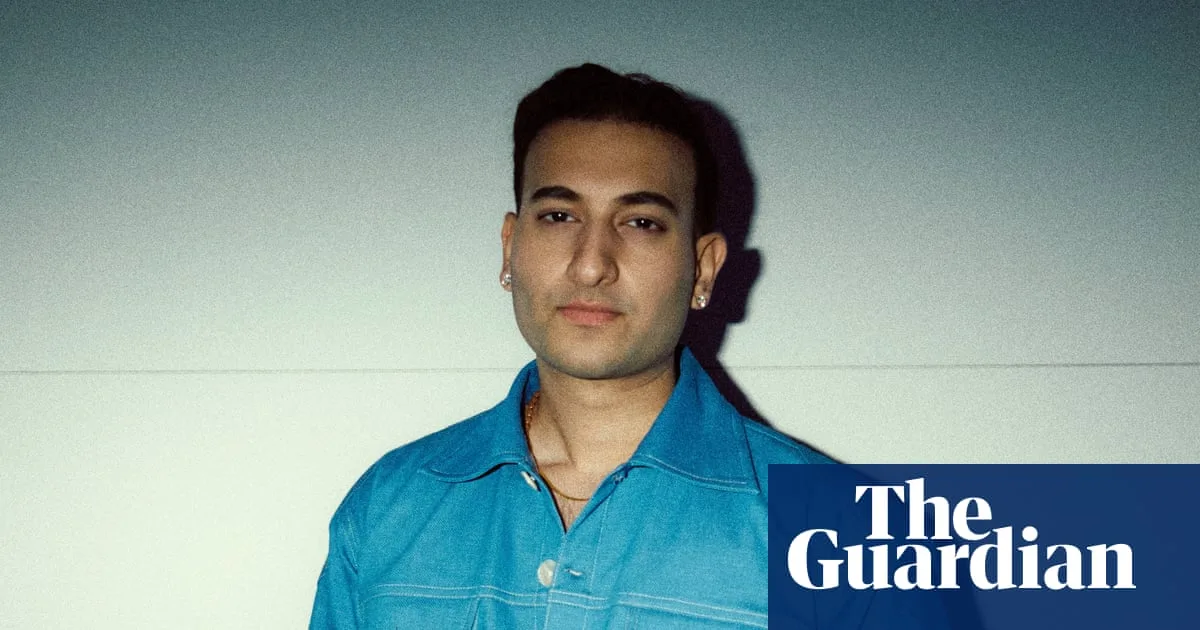
Rishab Sharma, the youngest disciple of sitar legend Ravi Shankar, is on a mission to improve mental health through his music. The 27-year-old musician, who has amassed over four million Instagram followers and 60 million streams, aims to transform the ancient Indian classical instrument into a tool for wellbeing. His project, 'Sitar for Mental Health', incorporates group breathing exercises, meditation, and talking prompts, blending traditional ragas with Bollywood songs and themes from Game of Thrones and Harry Potter.
Sharma's journey began after his grandfather's death in 2020 left him grief-stricken. 'I stopped playing sitar, I wasn't eating properly and I often didn't get out of bed,' he recalls. Unable to access therapy during the pandemic, he turned back to his instrument, finding solace in playing. 'I decided to pick it up again, and this time, as I played through the ragas I knew, I felt myself calm down.' He started streaming his sessions on Clubhouse, where thousands tuned in, sharing their own grief.
In 2021, Sharma held his first Sitar for Mental Health concert for 30 people in New York. Since then, he has performed for over 75,000 people across India, including at the White House for President Joe Biden. His repertoire includes genre-crossing singles like 'Chankaya' and 'Kautilya (The Echo Project)', blending traditional sitar with trap, electronic percussion, and lo-fi hip-hop. 'I want to be the slowest sitarist on the planet,' he says. 'Everyone is trying their gimmicks and playing as fast as they can but I want to provide a sense of comfort and peace.'

Growing up in a family of sitar makers in Delhi, Sharma became Ravi Shankar's final student at age 12. 'It was like God offering to teach you,' he says of the experience. He spent six hours a day practising with Shankar, who was 'very stern and strict' during lessons but 'so friendly' afterwards. After Shankar's death in 2012, Sharma continued his training with elder disciples. Now, he is on a European tour, including three UK dates in October, aiming to share his instrument with Western audiences. 'The mission is to introduce every soul on the planet to the sound of the sitar,' he says.