Prostate Cancer Screening Crisis: 2,300 Black Men Face Death Without Targeted NHS Programme
More than 2,300 black men will die from prostate cancer in the United Kingdom over the next ten years if the National Health Service fails to implement a targeted screening programme, according to stark new estimates from Prostate Cancer UK. The charity's analysis, shared exclusively with The Independent, reveals that black men face a dramatically elevated risk of developing the disease, with approximately one in four expected to receive a diagnosis during their lifetime.
This represents double the rate observed among white men, where the lifetime risk stands at one in eight. The profound health disparity has prompted urgent calls for immediate governmental action to prevent what campaigners describe as a preventable public health catastrophe.
Government Screening Committee Rejects Targeted Programme
Last month, the government's independent National Screening Committee (NSC) declined to recommend a targeted prostate cancer screening programme for high-risk groups, which includes black men and individuals with a family history of the disease. The committee cited concerns that the potential harms of widespread testing, including overdiagnosis and unnecessary invasive procedures, currently outweigh the benefits.

Furthermore, the NSC highlighted a significant lack of available clinical data specifically concerning black patients within the UK. This decision has ignited fierce criticism from health equity advocates and prostate cancer survivors, who accuse the committee of institutional racial bias and negligence.
Amy Rylance, Director of Health Services, Equity and Improvement at Prostate Cancer UK, expressed profound disappointment. "We were bitterly disappointed by the UK NSC's announcement that the evidence isn't yet strong enough to recommend targeted screening for Black men," she stated. "While we accept the committee's decision that the data they reviewed had too many gaps, a significant opportunity has been missed."
Rylance emphasised that the NHS possesses extensive electronic health records that could potentially fill these critical data voids, but these resources have not been fully utilised or reviewed by the committee. In response, Prostate Cancer UK is funding a dedicated research project to analyse NHS records, with results anticipated within the next year, aiming to build the necessary evidence base to secure screening.
Personal Testimonies Highlight Human Cost
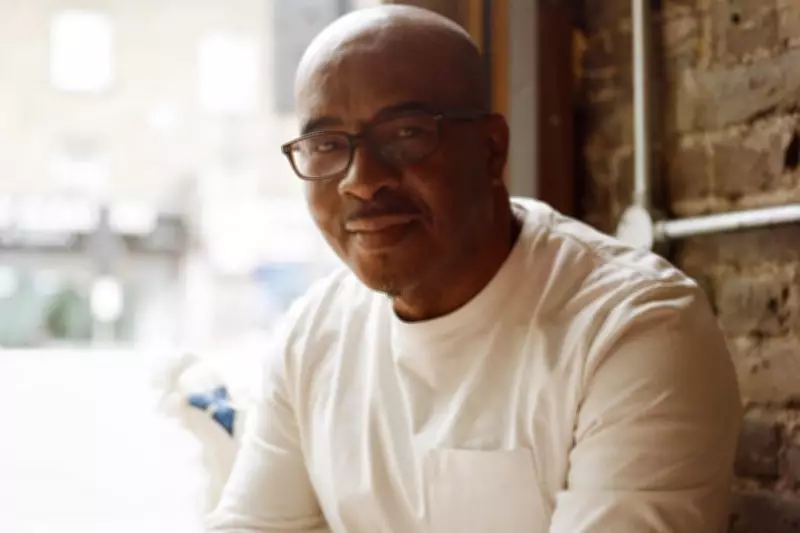
The statistical projections are underscored by harrowing personal accounts from survivors and bereaved families. Jeff Thompson, a 63-year-old survivor diagnosed with stage two prostate cancer in March 2018, described the committee's decision as devastating.
"I felt like we [black men] were not thought about," Thompson told The Independent. "If the statistics are true, then why in heaven's name has it [a screening programme] been declined? I feel as if the government are playing Russian roulette with our lives."
Thompson's recovery from prostate removal surgery was profoundly traumatic, leaving him grappling with severe urinary dysfunction, erectile dysfunction, and deep psychological isolation. "I was wetting myself profusely... I felt less of a man. I couldn't speak to anyone," he recalled, highlighting the often-overlooked mental and physical aftermath of treatment.
Tina Davies, who lost her father Joseph to stage three prostate cancer in 2011, echoed these sentiments, questioning the committee's commitment to equity. "It is as if black men are being punished for something, or they are not worth [life]," she said. "The evidence is there. Why are men being discriminated against? Our men are dying."
Government Response and Ongoing Efforts
A spokesperson for the Department of Health and Social Care defended the government's position, stating: "This government wants to see screening in place for prostate cancer, provided this is backed by evidence. The independent UK National Screening Committee invited new evidence and is examining the latest data thoroughly."

The spokesperson added that the government is "determined to improve outcomes for men with prostate cancer" by expanding access to treatments, cutting waiting times, and ensuring black men are "at the heart of our research efforts."
Despite these assurances, the charity's projections paint a grim picture for the coming decade if the status quo persists. Beyond the estimated 2,300 deaths, at least 16,000 black men are expected to be diagnosed with prostate cancer, facing the same physical and emotional battles described by survivors like Jeff Thompson.
The controversy centres on a fundamental tension in public health policy: balancing the potential benefits of early detection against the risks of overmedicalisation, all within a framework of stark racial health inequalities. As Prostate Cancer UK accelerates its data research, the clock ticks for thousands of black men across the UK, awaiting a policy change that could mean the difference between life and death.