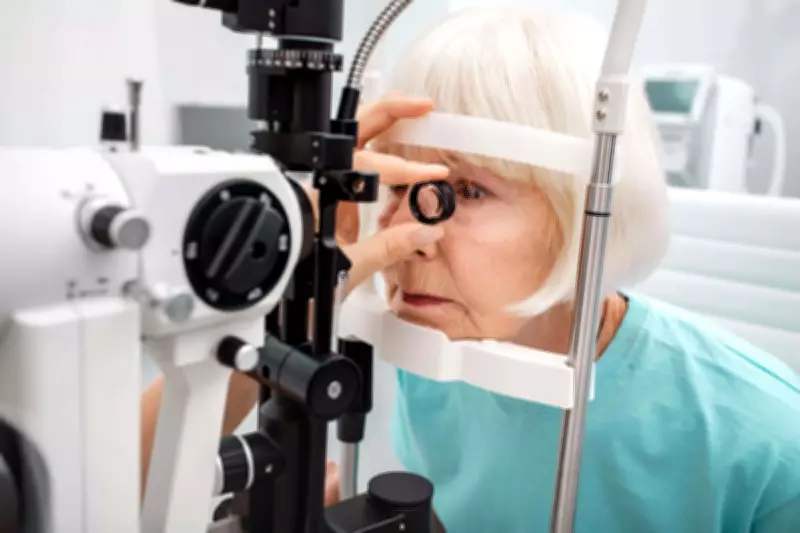
A groundbreaking study published in the Lancet Primary Care reveals that artificial intelligence could revolutionise glaucoma detection while significantly reducing unnecessary specialist referrals. The research from Portugal demonstrates AI's superior diagnostic capabilities compared to human medical professionals.
Superior Diagnostic Accuracy
The study involved an AI tool analysing eye images from 671 individuals aged between 55 and 65. The technology demonstrated remarkable accuracy, correctly identifying 78 per cent of people with glaucoma, compared to 75 per cent detected by human doctors. Furthermore, the AI proved more effective at ruling out the condition, accurately excluding 95 per cent of those without glaucoma, against 91 per cent by medical professionals.
Streamlining Healthcare Systems
Perhaps most significantly, the AI tool recommended just 66 individuals for specialist consultation, leading to 40 glaucoma diagnoses. This represents a stark contrast to the 118 referrals made by eye doctors, which ultimately resulted in the same number of diagnoses. This advancement suggests a future where AI could streamline diagnostic processes, ensuring earlier detection for patients while simultaneously alleviating pressure on specialist eye clinics.

Understanding Glaucoma: Six Essential Facts
1. What Is Glaucoma?
Glaucoma represents a group of eye diseases that damage the optic nerve at the back of the eye. This nerve is crucial for transmitting visual information from the eye to the brain. According to the NHS website, it's most common in adults aged 50 and over and can cause vision loss if not diagnosed and treated early.
2. Risk Factors and Demographics
Age and family history remain significant risk factors for developing glaucoma. Research indicates glaucoma affects about 3% of the population over 40 in the UK. Those with close relatives who have glaucoma may be entitled to government-funded eye examinations from age 40 onwards.
3. The Silent Thief of Sight
Glaucoma is often called the 'silent thief of sight' because it typically develops without pain. Initially affecting peripheral vision, symptoms often go unnoticed until significant damage has occurred, making early detection through routine examinations crucial.
4. Recognizing Different Types
While primary open-angle glaucoma develops slowly over years, angle-closure glaucoma presents more dramatically with sudden pressure increases. Symptoms can include red, painful eyes and, in severe cases, nausea and vomiting requiring immediate medical attention.
5. Available Treatments
Modern glaucoma treatment focuses on reducing intraocular pressure through various methods:
- Eye drops to decrease fluid production
- Laser therapy options
- Surgical interventions
Clinicians now design personalised treatment plans using minimally invasive approaches that prove most effective when delivered early in the disease process.
6. The Importance of Regular Testing
Routine eye examinations every two years remain essential for early glaucoma detection. During these check-ups, optometrists perform screening tests specifically designed to identify glaucoma indicators. Healthcare professionals will advise patients when follow-up appointments become necessary based on individual risk factors.
The Future of Eye Care
This research represents a significant step toward integrating artificial intelligence into mainstream healthcare. By combining AI's diagnostic precision with human medical expertise, healthcare systems could achieve earlier glaucoma detection while optimising resource allocation. As technology continues advancing, such innovations promise to transform patient outcomes across numerous medical specialties.