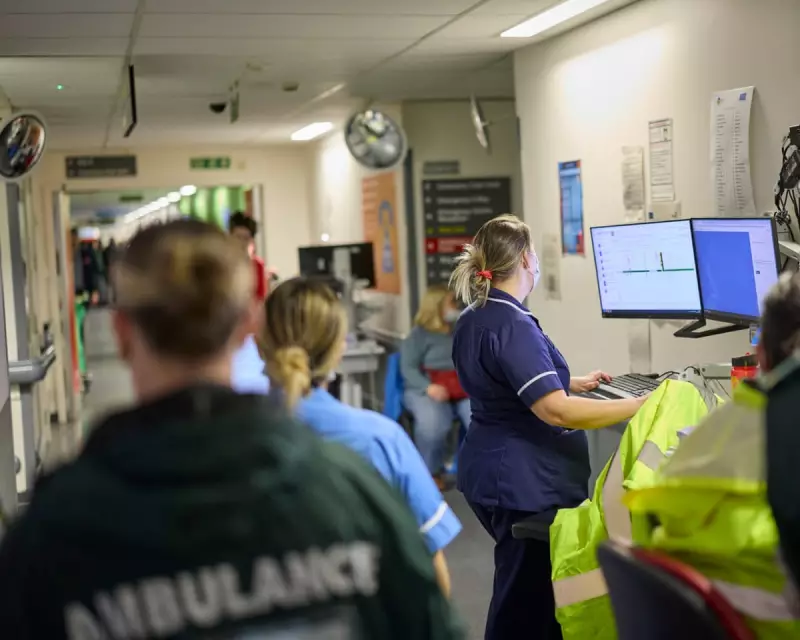
Hospitals across England are turning to artificial intelligence in a bid to tackle long waiting times in Accident and Emergency departments during the challenging winter months. A new forecasting tool, powered by AI, is being rolled out to help NHS trusts anticipate periods of high demand, enabling them to deploy staff and resources more effectively.
How the AI Predicts Patient Influx
The sophisticated prediction algorithm analyses a wealth of historical data to model future A&E attendance. It doesn't just look at simple day-of-the-week patterns. The AI is trained on factors including local weather trends, school holiday dates, and current rates of seasonal illnesses like flu and Covid-19. By synthesising this information, it provides trusts with a clearer picture of how many people are likely to need emergency care on any given day.
Ian Murray, the Minister for Digital Government and Data, explained the tool's practical application. "The front door of the NHS is the A&E department," he said. "You've no idea how many people will come through the door, although you can have some analytical evidence that Saturday nights might be busier than a Tuesday night... This helps us to predict how busy their A&E departments are going to be."

Targeting Resources Where They Are Needed Most
With more accurate forecasts, hospital managers can make proactive decisions. This could mean rostering more consultants in specific specialities or increasing nursing staff in departments predicted to be under the greatest pressure. The insight also aids in bed management, helping teams plan for patient discharge to free up space ahead of anticipated surges.
"It's about modernising the NHS, using the tools to allow clinicians and professionals to do the things that they're trained to do, rather than having to be bound down by bureaucratic processes," Minister Murray added, emphasising the goal of letting medical staff focus on patient care.
Part of a National Drive for AI Innovation
The A&E forecasting tool forms a key part of Prime Minister Keir Starmer's AI Exemplars programme. In January, Starmer stated his belief that artificial intelligence would "drive incredible change in our country". The tool is available to all NHS trusts in England, with around 50 organisations already adopting it and reportedly seeing positive outcomes.
Professor Julian Redhead, National Clinical Director for Urgent and Emergency Care at NHS England, endorsed the technology's potential. "Early and efficient planning is key to managing busy periods like winter, and new tech like the AI tool has the potential to make a real difference to the way we manage care for patients," he stated.
The initiative represents a significant shift towards data-driven planning in the health service, aiming to use predictive analytics not just to react to crises, but to prevent them from occurring in the first place.