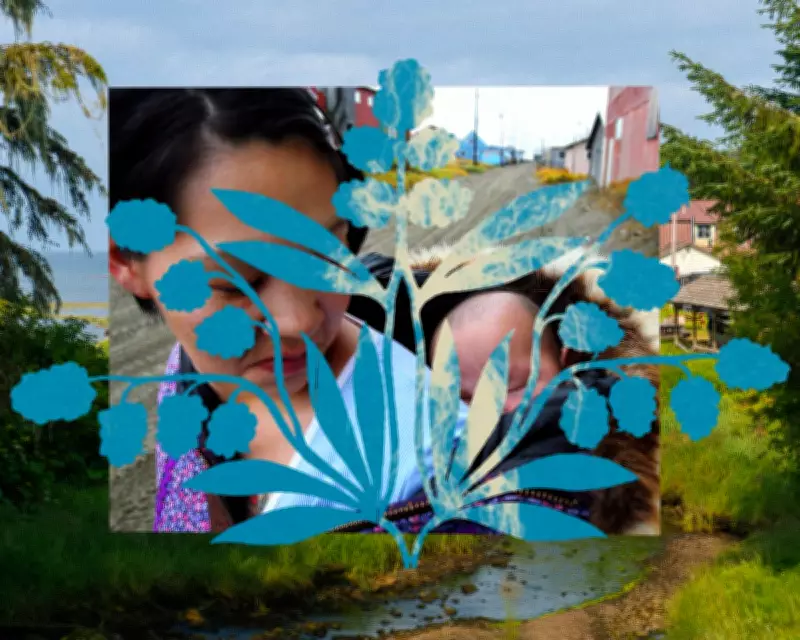
In the remote and often isolated communities of Alaska, a critical initiative is gaining momentum as Alaska Native birth workers step forward to bridge the maternal health gap for Indigenous mothers. This grassroots movement is transforming prenatal and postpartum care by integrating traditional knowledge with modern medical practices, offering a culturally sensitive approach that has been long overdue.
The Maternal Health Crisis in Alaska
Alaska faces significant challenges in maternal healthcare, particularly for its Indigenous populations. Statistics reveal that Native American and Alaska Native women experience disproportionately high rates of maternal mortality and morbidity compared to other groups in the United States. Factors such as geographic isolation, limited access to healthcare facilities, and historical distrust of Western medical systems contribute to these alarming disparities.
Role of Alaska Native Birth Workers
Alaska Native birth workers, including doulas, midwives, and community health aides, are at the forefront of this change. They provide essential support during pregnancy, childbirth, and the postpartum period, drawing on cultural traditions and languages to build trust and rapport with mothers. By offering services in remote villages, they ensure that care is accessible and tailored to the unique needs of Indigenous families.

Key contributions include:
- Providing culturally competent care that respects Alaska Native customs and beliefs.
- Reducing barriers to healthcare access in underserved rural areas.
- Improving maternal and infant health outcomes through continuous support and education.
Impact on Health Outcomes
Early evidence suggests that the involvement of Alaska Native birth workers is making a tangible difference. Communities report lower rates of preterm births, reduced instances of postpartum depression, and increased breastfeeding initiation. These improvements are attributed to the holistic and personalized care that birth workers offer, which often includes emotional, spiritual, and practical assistance beyond clinical needs.
Challenges and Future Directions
Despite the progress, challenges remain. Funding constraints, regulatory hurdles, and the need for more trained birth workers pose ongoing obstacles. Advocates are calling for increased investment in training programs and policy reforms to support the sustainability of these initiatives. Collaboration with state and federal health agencies is also crucial to scale up efforts and ensure long-term success.
Looking ahead, the goal is to expand this model to other Indigenous communities across the United States, leveraging the success in Alaska as a blueprint for addressing maternal health disparities nationwide.